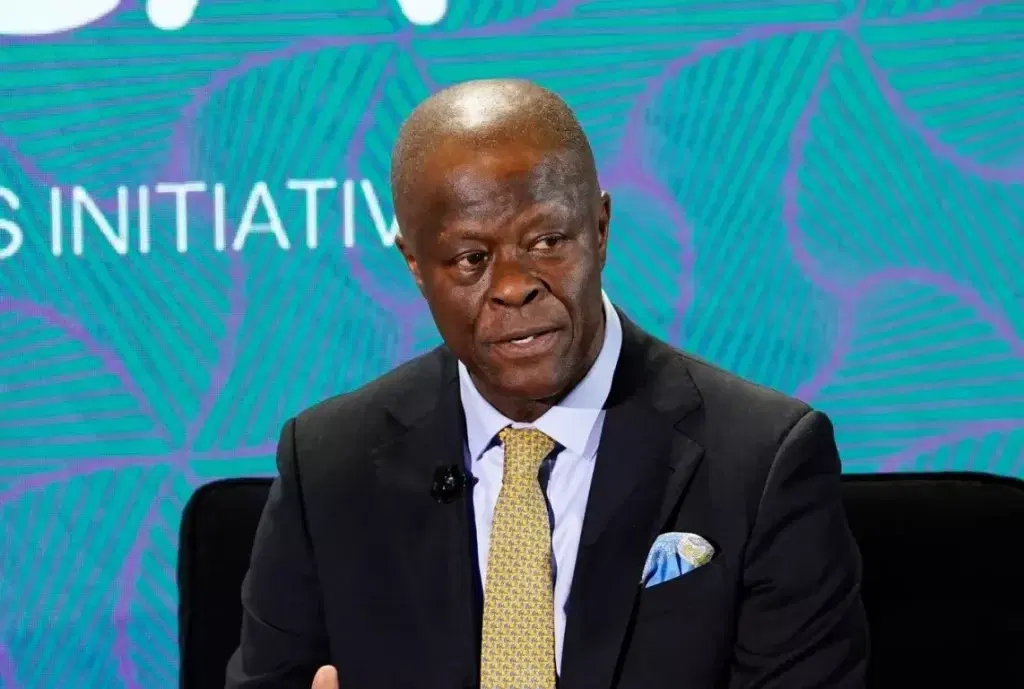
"Economic Independence: Nigeria Forges Ahead"
In the bustling heart of Nigeria, a statement ripples through the corridors of economic power, resonating far beyond its borders. Wale Edun, Nigeria's Finance Minister, has declared with unwavering conviction, "Nigeria has no immediate need for IMF support." According to Punch Nigeria, this assertion is grounded in the country's reliance on the positive results of domestic economic reforms. In the epicenter of West Africa, Nigeria is charting a path of economic self-reliance, steering clear of the lifeline that international financial aid so often provides. This is not a story of dependency but one of resilience and reform, where Nigeria, with Edun at the helm, is choosing to rely on its own internal policy measures rather than seeking multilateral lending support at this time.
The narrative of Nigeria's economic journey is one of transformation. Over the past two years, the country has embarked on a series of reforms that have restored policy credibility and strengthened resilience against global economic shocks, as reported by Nairametrics. This is a story of strategic foresight and a steadfast commitment to market-based adjustments, avoiding the pitfalls of administrative controls, particularly in foreign exchange and petroleum pricing mechanisms. It is a narrative that has seen Nigeria prioritize domestic solutions over external financial assistance, a path less traveled but one that speaks volumes about the nation's economic autonomy and self-assurance.
"Buffering the Storm: Reforms and International Pressures"
The economic backdrop of Nigeria is a tapestry of challenges and triumphs. As PM News Nigeria reports, Nigeria is not immune to the pressures of inflation and the economic impacts linked to the ongoing Middle East conflict. Yet, Edun's strategy is to build buffers through reforms, a proactive approach that has allowed Nigeria to weather the storm more effectively than several African nations that remain highly exposed and require urgent external financial support.
In this context, the role of Nigeria's Finance Minister is not just that of a calculator and regulator but also a diplomat and advocate. As Edun takes Nigeria's case to the IMF, calling for international support, he is navigating a delicate balance. He is seeking global cooperation to address the dual impact of rising oil revenues and increasing inflation pressures triggered by the ongoing Middle East conflict. This is a call not just for Nigeria but for a collective African response, as Nigeria has built buffers through reforms, yet recognizes the vulnerability of its neighbors.
"The Diplomatic Dance: Global Support and Financial Assistance"
Edun's push for global support amid inflation pressures is not a plea for charity but a call for a fair and coordinated financial assistance framework for African countries, as Nairametrics reports. This is a story of a finance minister who is not only looking inward at domestic reforms but also outward at the global financial landscape, advocating for a $50 billion global support package for African nations.
This diplomatic dance is a testament to Edun's understanding of the interconnectedness of economies in the modern world. It is a narrative of a leader who is not just planning for Nigeria's immediate needs but also considering the long-term implications of global financial policies on the continent.
"Future Implications: A Path Less Traveled"
As Nigeria continues to rely on internal policy measures rather than seeking multilateral lending support, the country stands at a crossroads. The path it has chosen is one that prioritizes self-reliance and domestic reforms over external financial aid. This is a story of a nation that is building its economic future on the foundation of resilience and reform, a narrative that has the potential to inspire other countries facing similar economic challenges.
The future implications of Nigeria's stance are significant. By focusing on domestic reforms, Nigeria is setting a precedent for other nations to follow. It is a story that underscores the importance of policy credibility and the resilience that comes from market-based adjustments. As Nigeria continues to navigate the complexities of global economic pressures, its choices will undoubtedly shape the economic landscape not just for itself but for the entire African continent.
In the grand tapestry of global economics, Nigeria's Finance Minister, Wale Edun, is weaving a bold narrative of self-reliance and reform. It is a story that is still unfolding, with each thread representing a step towards a future where Nigeria stands strong, independent, and resilient in the face of global economic challenges.
"The Art of Diplomacy and Strategy: Wale Edun's Vision for Nigeria"
To fully appreciate the multifaceted approach of Finance Minister Wale Edun, we must delve into the intricacies of Nigeria's economic position and its global financial strategies. Edun's advocacy for a $50 billion global support package is not merely a response to inflation; it is a calculated move to bolster Africa's economic resilience. This financial assistance framework aims to address the structural issues that plague many African economies, including access to credit, currency stability, and infrastructure development.
"Navigating the Labyrinth of Global Finance"
Nigeria's stance on self-reliance is a strategic maneuver in a world where traditional financial aid often comes with strings attached. By focusing on internal policy measures, Nigeria is asserting its sovereignty in economic matters and laying the groundwork for sustainable economic growth. This approach is exemplified by Nigeria's efforts to diversify its economy away from oil, a move that is crucial in a world where the energy sector is rapidly evolving.
The Nigerian government's efforts to enhance policy credibility include the implementation of fiscal reforms, such as tax policy adjustments and the streamlining of government spending. These measures are designed to create a more business-friendly environment, attract foreign investment, and reduce the country's reliance on volatile commodity prices.
"The Ripple Effect: Nigeria as a Role Model"
As Nigeria charts this path, it has the potential to inspire a wave of economic reform across Africa. Other nations facing similar economic challenges may look to Nigeria's strategy as a blueprint for their own recovery and growth. This could lead to a collective regional approach to economic development, fostering greater cooperation and shared prosperity.
"The Road Ahead: Challenges and Opportunities"
However, Nigeria's journey is not without its challenges. The country must navigate the delicate balance between pursuing domestic reforms and engaging with the global financial system. The success of Nigeria's strategy will depend on its ability to maintain policy credibility, manage external shocks, and adapt to a rapidly changing global economy.
In the face of these challenges, the story of Nigeria's Finance Minister Wale Edun is one of visionary leadership. His call for a fair and coordinated financial assistance framework is a testament to his commitment to not only Nigeria's prosperity but also the collective economic advancement of the African continent. As the world witnesses Nigeria's strides towards self-reliance and reform, it is a narrative that resonates with the power of resilience and the promise of a brighter economic future for all.
0 Comments
Sign in to commentNo comments yet. Be the first to share your thoughts!