The Roar of Economic Lions: Nigeria's Pursuit of AMI Supremacy
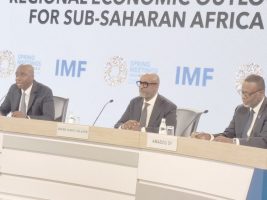
In the heart of Africa, a roar is echoing across the continent, a testament to Nigeria’s bold ambition to become the custodian of the African Monetary Institute (AMI). A dream that is not just a geographical aspiration, but a narrative of Africa's financial sovereignty and unity, resonating through the corridors of international finance during the IMF/World Bank Spring Meetings in Washington D.C. Here, Nigeria’s Federal Ministry of Finance, led by the articulate Minister of Finance and Coordinating Minister of the Economy, Wale Edun, is orchestrating a symphony of economic diplomacy. Edun, with the support of the Governor of the Central Bank of Nigeria (CBN), Olayemi Cardoso, is painting a vivid picture of Nigeria's readiness to embrace the AMI, scheduled for operationalization in September 2026, as a critical step towards a more integrated financial system on the continent.
Nigeria is not merely uttering words in the wind but is backed by the full political and institutional weight of the nation, as underscored by its Minister of Finance. This is a country that has moved beyond the stage of mere diplomatic interest to one of full-scale implementation readiness, positioning Abuja as a central hub for Africa’s monetary integration and the creation of a single continental currency. The AMI is envisaged as a cornerstone for strengthening macroeconomic convergence and promoting monetary policy coordination, a vision that aligns with Nigeria's strategic economic interests to position itself as a continental financial powerhouse.
The Tapestry of Financial Integration: Weaving a United African Fabric
The push for hosting the AMI is not just a political maneuver but a cultural and social imperative. It is about knitting together the diverse threads of Africa's economies into a single, vibrant tapestry. As Nigeria intensifies its efforts, it does so with the understanding that the AMI will serve as a catalyst for deeper monetary cooperation, improved macroeconomic convergence, and a more integrated African financial system. This move is about more than just economic gains; it is about fostering a sense of shared destiny and collective strength among African nations.
Experts and analysts have noted that Nigeria's infrastructure and administrative arrangements are well-suited for hosting the AMI, as highlighted by the Permanent Secretary of the Ministry of Finance, Mr. Raymond Omachi. The country's commitment to the AMI initiative reflects a broader ambition to drive financial integration across Africa, a goal that is as much about cultural unity as it is about economic synergy. By positioning Abuja as the hub for the AMI, Nigeria is not just hosting an institution; it is hosting a beacon of hope for a more financially integrated and prosperous Africa.
The Architect's Blueprint: Shaping the Future of African Finance
The hosting of the AMI in Nigeria is more than a logistical endeavor; it is an architectural blueprint for the future of African finance. It is a testament to Nigeria's belief in the power of collective action and shared governance in shaping the economic destiny of the continent. The move towards monetary integration is not just about creating a single currency; it is about building a financial system that is resilient, inclusive, and reflective of Africa's diverse economic realities.
As Nigeria steps up its efforts to host the AMI, it is doing so with a clear vision of the future. The country is moving from expressions of support to concrete implementation, a transition that is as much about political will as it is about economic strategy. The AMI is designed to strengthen macroeconomic convergence, promote monetary policy coordination, and lay the groundwork for a more integrated financial system in Africa. This is a vision that resonates with Nigeria's own economic strategy, which seeks to position Abuja as a hub for continental financial coordination.
Future Implications: Sowing Seeds for a Prosperous Harvest
The implications of Nigeria hosting the AMI are far-reaching and multifaceted. It is not just about the present but about sowing the seeds for a prosperous future. The move towards monetary integration is a step towards creating a more resilient and dynamic African economy, one that is better equipped to face the challenges of the 21st century. By hosting the AMI, Nigeria is positioning itself at the forefront of this transformative journey, a journey that promises to reshape the economic landscape of the continent.
The hosting of the AMI in Nigeria is a bold statement of intent, a declaration of Africa's readiness to take its place on the global economic stage. It is a move that speaks to the continent's aspirations for financial autonomy and economic empowerment. As Nigeria leads the charge, it does so with the weight of history on its shoulders and the promise of a brighter future in its sights. The AMI is not just an institution; it is a symbol of Africa's collective journey towards a more prosperous and united tomorrow.
The journey towards a single African currency, facilitated through the AMI, exemplifies the continent's move towards economic sovereignty and self-determination. Historically, Africa has been subject to the volatility of external financial systems, with inconsistent exchange rates and currency devaluations that have negatively impacted trade and investment within the continent. The AMI presents an opportunity to mitigate these challenges by fostering regional stability, enhancing intra-African trade, and reducing dependency on foreign exchange reserves.
Nigeria's role in hosting the AMI is indicative of its strategic position and economic weight within Africa. As the continent's largest economy, Nigeria's GDP accounts for a significant portion of Africa's economic output, and its leadership in the AMI is expected to galvanize other African nations to strengthen regional integration efforts. The initiative could lead to the creation of a more stable and predictable economic environment, which is crucial for attracting foreign direct investment and boosting intra-African trade.
Furthermore, the AMI's operations could catalyze the development of a more sophisticated financial sector in Africa. With a single currency comes the need for more advanced financial products and services, which could spur innovation and diversification within the financial services industry. This could lead to the creation of more robust banking systems and investment vehicles, better suited to support economic growth and development across the continent.
However, the path to monetary integration is not without its challenges. There are significant differences in economic development, political stability, and fiscal policies among African nations, which could complicate the harmonization required for a single currency. Additionally, the AMI must navigate geopolitical tensions and the influence of global powers that may have vested interests in maintaining the status quo.
In conclusion, Nigeria's hosting of the AMI is a pivotal moment in Africa's economic history. It represents a concerted effort to redefine the continent's economic narrative and to build a future where Africa's economic destiny is shaped by Africans. The AMI is more than an economic institution; it is a platform for the collective action and shared governance that will be essential in realizing Africa's potential for prosperity and global influence.
📰 Sources Cited
- Blueprint Newspapers: Nigeria strengthens push to host AU Monetary Institute
- Leadership Newspaper: Nigeria Renews Push To Host AU Monetary Institute
- THISDAY: Nigeria Intensify Efforts to Deepen Monetary Cooperation, Financial Integration across Africa
- Sun News Online: Nigeria eyes hosting African Monetary Institute as AU’s single currency plan nears fruition
0 Comments
Sign in to commentNo comments yet. Be the first to share your thoughts!