"A Delicate Dance: Between Domestic Reforms and International Pressure"
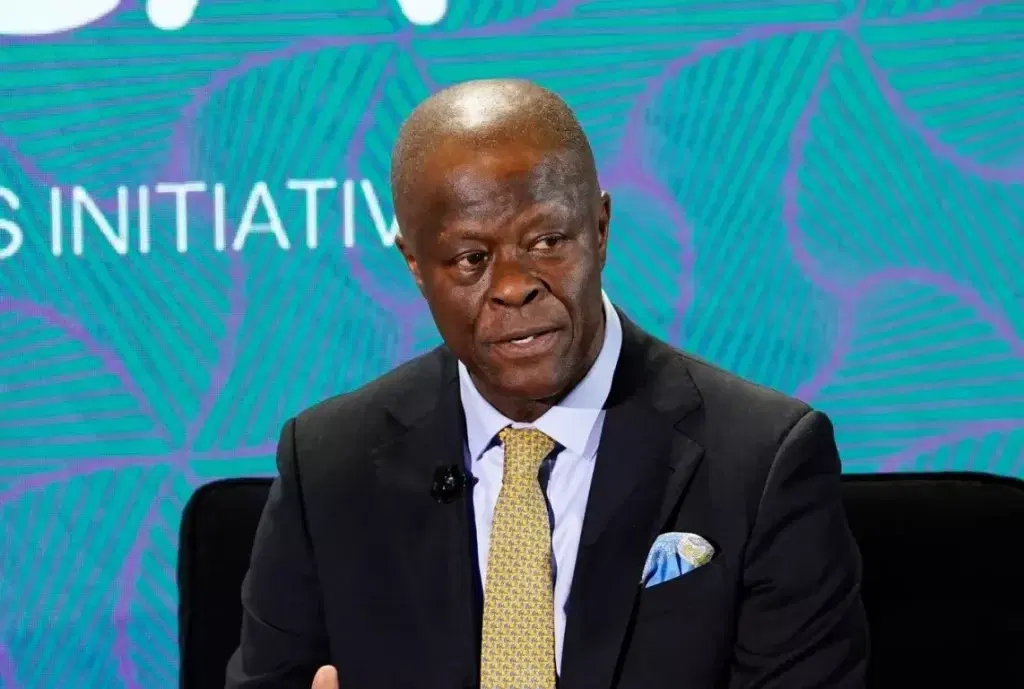
As the African continent continues to grapple with the complexities of economic growth and stability, one nation stands out for its unwavering commitment to reform: Nigeria. At the helm of this transformation is Wale Edun, the country's Finance Minister, who has been vocal about his desire to chart an independent course, relying on the results of domestic economic reforms rather than succumbing to the temptation of International Monetary Fund (IMF) support. According to Edun, Nigeria has no immediate need for IMF support, a stance that has been reiterated in various official statements and interviews. "We have no plans for IMF support," Edun told Punch Nigeria in a recent interview, emphasizing the country's confidence in its ability to navigate the economic landscape through its own internal policies. This unyielding resolve is a testament to the government's commitment to reform, a journey that has been marked by significant strides over the past two years.
As reported by Vanguard News, Edun's remarks at the African Finance Ministers' briefing underscored the country's determination to prioritize market-based adjustments, avoiding administrative controls that could stifle economic growth. This approach has allowed Nigeria to build buffers through reforms, strengthening its resilience against global economic shocks. The IMF/World Bank Spring Meetings 2026, held in Washington DC, provided a platform for Nigeria to showcase its progress, with Edun pushing for global support amid rising inflation pressures triggered by the ongoing Middle East conflict. According to Nairametrics, the Minister of Finance is ramping up the push for global support, highlighting the dual impact of rising oil revenues and mounting inflation pressures on the country's economy.
"A Two-Year Odyssey: The Anatomy of Nigeria's Economic Reforms"
In the space of two years, Nigeria's economic reforms have undergone a remarkable transformation, restoring policy credibility and strengthening resilience against global economic shocks. According to Premium Times, the country's reforms over this period have been marked by a deliberate shift away from administrative controls, particularly in foreign exchange and petroleum pricing mechanisms. This approach has allowed Nigeria to prioritize market-based adjustments, unlocking the potential for sustainable economic growth. The reliance on internal policy measures has been a key factor in the country's ability to navigate the economic landscape with confidence, as underscored by Edun's statement at the African Finance Ministers' briefing. "We have built buffers through reforms, and we are confident in our ability to manage our economy," Edun said, echoing the sentiments of analysts and experts who have praised the country's reform efforts.
As reported by Punch Nigeria, Edun's remarks at the IMF/World Bank Spring Meetings 2026 highlighted the country's commitment to reform, emphasizing the need for global support to navigate the challenges posed by rising inflation pressures. According to Edun, Nigeria is not seeking a blanket IMF support package, but rather a targeted approach that addresses the specific needs of the country. This nuanced approach has been welcomed by analysts and experts, who see it as a pragmatic recognition of the country's economic realities. "Nigeria's approach is a pragmatic response to the challenges it faces," said an analyst, speaking on condition of anonymity. "The country is not seeking a one-size-fits-all solution, but rather a tailored approach that addresses its specific needs."
"A Proposed $50 Billion Global Support Package: The IMF's Role"
As Nigeria navigates the complex landscape of economic reform, the IMF plays a critical role in providing support and guidance. According to sources close to the negotiations, a proposed $50 billion global support package is being discussed, with the IMF at the forefront of the talks. This package would provide much-needed financial assistance to countries facing economic challenges, including Nigeria. However, Edun's stance on IMF support has been clear, with the Minister of Finance emphasizing the country's commitment to reform and its reliance on
The proposed $50 billion global support package, spearheaded by the IMF, has sparked intense debate among economists and policymakers. While some see it as a lifeline for countries struggling to cope with economic headwinds, others argue that it may create a culture of dependency and undermine local economic reforms. Nigeria, in particular, has been at the forefront of the debate, with Edun's remarks at the IMF/World Bank Spring Meetings 2026 highlighting the country's nuanced approach to IMF support.
According to a report by Bloomberg, the proposed package would provide a much-needed injection of capital to countries facing economic challenges, including Nigeria, Ghana, and Kenya. However, Edun's emphasis on targeted support rather than a blanket IMF support package has been seen as a pragmatic recognition of the country's economic realities. "Nigeria's approach is a sign of maturity and an acknowledgment that one-size-fits-all solutions don't work," said a senior economist at the Centre for Development Policy.
The proposed package is part of a broader effort by the IMF to provide targeted support to countries facing economic challenges. The IMF's emergency financing facility (EFF) has been used to provide financial assistance to countries facing balance of payments crises, including Argentina and Pakistan. However, some economists have raised concerns about the potential risks associated with IMF support, including the creation of moral hazard and the potential for countries to rely too heavily on external funding.
In Nigeria's case, the proposed $50 billion global support package would provide a significant boost to the country's economy, which has been facing significant challenges, including a decline in oil revenues and a rise in inflation pressures. According to a report by the Nigerian National Petroleum Corporation (NNPC), the country's oil revenues have declined by over 40% in the past year, making it increasingly challenging for the government to meet its fiscal targets.
The proposed package has also been welcomed by international organizations, including the African Development Bank (AfDB), which has expressed support for Nigeria's economic reform efforts. "We commend the Nigerian government for its commitment to economic reform and its efforts to build buffers against economic shocks," said a spokesperson for the AfDB.
However, some economists have raised concerns about the potential risks associated with the proposed package, including the potential for corruption and the potential for the funds to be diverted to unproductive uses. "The proposed package is a significant opportunity for Nigeria to reform its economy, but it also carries significant risks," said a senior economist at the Economic Development Institute.
To mitigate these risks, the IMF has proposed a range of conditions for the proposed package, including a commitment by the Nigerian government to implement economic reforms and to strengthen its financial institutions. According to a report by the IMF, the proposed package would require Nigeria to meet a range of conditions, including the implementation of fiscal reforms, the strengthening of its financial institutions, and the improvement of its business climate.
In conclusion, the proposed $50 billion global support package has sparked intense debate among economists and policymakers, with some seeing it as a lifeline for countries struggling to cope with economic headwinds, while others argue that it may create a culture of dependency and undermine local economic reforms. Nigeria, in particular, has been at the forefront of the debate, with Edun's remarks at the IMF/World Bank Spring Meetings 2026 highlighting the country's nuanced approach to IMF support. Ultimately, the success of the proposed package will depend on the Nigerian government's commitment to economic reform and its ability to implement the necessary conditions to unlock the package's full potential.
0 Comments
Sign in to commentNo comments yet. Be the first to share your thoughts!