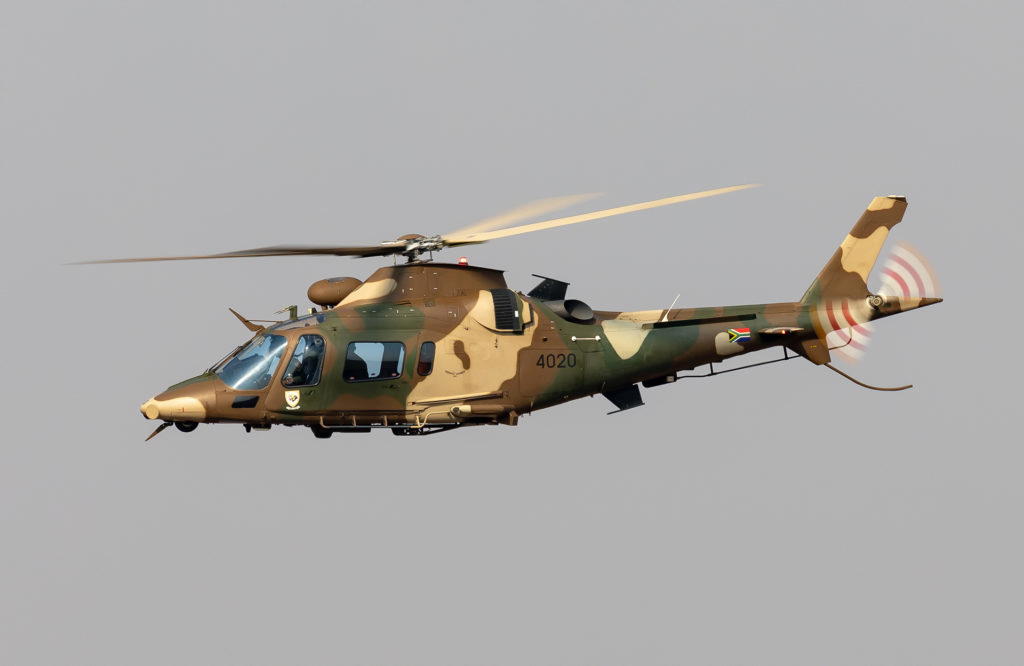
The sun had barely risen over the horizon in Niger State, casting a golden glow over the vast expanse of the Nigerian countryside, when the sound of airstrikes pierced the air, shattering the tranquility of the morning. The villages of Katerma, Bokko, Kusasu, and Kuduru in the Shiroro local government area were the targets of the Nigerian military's latest operation against terrorists and bandits. As reported by Blueprint Newspapers, the Defence Headquarters (DHQ) clarified that the air strikes were aimed at eliminating the terrorist threat in the region, but the operation has been marred by allegations of civilian casualties. According to Punch Nigeria, the Nigerian military has denied any civilian deaths in the recent airstrikes, stating that the operation successfully neutralized 70 armed bandits. However, residents of the affected villages have come forward to claim that the airstrikes targeted at terrorists have killed civilians. The DHQ spokesperson has directed relevant military formations to verify the allegations of civilian casualties, if any. As the situation unfolds, it becomes clear that the conflict in Niger State is a complex web of security, politics, and human rights. The Nigerian military's efforts to combat terrorism and banditry are commendable, but the alleged civilian casualties raise questions about the proportionality and accountability of the military's actions. As experts and analysts weigh in on the situation, it is evident that the conflict in Niger State has far-reaching implications for the stability and security of the region.
The airstrike that targeted bandits in Shiroro Local Government Area has reportedly killed some civilians, leaving many to wonder about the effectiveness of the military's strategy. The bandits, numbering over 500, had been seen loitering in some communities in the local government area after coming in from neighboring Zamfara and Birnin Gwari, Kaduna State. Residents from Kuchi, Chibani, and Zagzaga communities in Munya Local Government Area and other communities around fled their homes for safety after noticing the invasion. The bandits had assembled and slept at Kusasu community in Shiroro Local Government Area on Saturday before crossing over to Chibani en route to Zagzaga community. A swift reaction from the Air Force actually invaded the area, and while targeting the bandits in Kusasu on Saturday, some civilians lost their lives. As the situation continues to unfold, it is clear that the conflict in Niger State is a complex and multifaceted issue that requires a nuanced and comprehensive approach. The Nigerian military's efforts to combat terrorism and banditry are necessary, but they must be balanced with the need to protect civilians and respect human rights. The alleged civilian casualties in the recent airstrikes are a stark reminder of the human cost of conflict and the need for accountability and transparency in military operations. As the world watches the situation in Niger State, it is evident that the conflict has far-reaching implications for the stability and security of the region, and that a comprehensive and nuanced approach is necessary to address the complex issues at play.
The Web of Conflict: Terrorists, Bandits, and Civilians
The conflict in Niger State is a complex web of security, politics, and human rights, with terrorists, bandits, and civilians caught in the crossfire. According to Peoples Gazette, the
The Web of Conflict: Terrorists, Bandits, and Civilians
The conflict in Niger State is a complex web of security, politics, and human rights, with terrorists, bandits, and civilians caught in the crossfire. According to Peoples Gazette, the recent airstrikes that targeted bandits in Shiroro Local Government Area have highlighted the challenges of combating terrorism and banditry in the region. The fact that over 500 bandits were able to assemble and operate in the area with impunity raises questions about the effectiveness of the military's strategy and the capacity of the security forces to respond to the threat.
The influx of bandits from neighboring Zamfara and Birnin Gwari, Kaduna State, has created a security crisis in Niger State, with civilians bearing the brunt of the violence. The displacement of residents from Kuchi, Chibani, and Zagzaga communities in Munya Local Government Area and other communities around is a stark reminder of the human cost of the conflict. The fact that the bandits were able to assemble and sleep at Kusasu community in Shiroro Local Government Area on Saturday before crossing over to Chibani en route to Zagzaga community suggests a level of organization and planning that is alarming.
The Nigerian military's response to the banditry and terrorism in the region has been criticized for its heavy-handedness and lack of accountability. The alleged civilian casualties in the recent airstrikes are a stark reminder of the human cost of conflict and the need for accountability and transparency in military operations. The use of airstrikes to target bandits in Kusasu on Saturday has raised questions about the proportionality of the response and the risk of civilian casualties.
As the conflict in Niger State continues to unfold, it is clear that a comprehensive and nuanced approach is necessary to address the complex issues at play. The Nigerian government must balance the need to combat terrorism and banditry with the need to protect civilians and respect human rights. This requires a multi-faceted approach that includes military, political, and social measures to address the root causes of the conflict.
The international community has a role to play in supporting the Nigerian government's efforts to combat terrorism and banditry in the region. This includes providing technical assistance, training, and capacity-building support to the Nigerian military and security forces. The United Nations and other international organizations can also play a role in promoting peace, stability, and human rights in the region.
In conclusion, the conflict in Niger State is a complex and multifaceted issue that requires a nuanced and comprehensive approach. The Nigerian military's efforts to combat terrorism and banditry are necessary, but they must be balanced with the need to protect civilians and respect human rights. The alleged civilian casualties in the recent airstrikes are a stark reminder of the human cost of conflict and the need for accountability and transparency in military operations. As the world watches the situation in Niger State, it is evident that a comprehensive and nuanced approach is necessary to address the complex issues at play and promote peace, stability, and human rights in the region.
📰 Sources Cited
- Blueprint Newspapers: Military probe alleged k!lling of civilians in Niger state, reveal how airstrikes eliminated many terrorists
- Punch Nigeria: Military denies civilian deaths in Niger airstrikes, says 70 bandits killed
- Peoples Gazette: Niger villagers say NAF airstrikes targeted at terrorists kill civilians as DHQ dismisses claims
- Vanguard News: Civilians feared dead in Niger as airstrike targeted at bandits misses
0 Comments
Sign in to commentNo comments yet. Be the first to share your thoughts!