May Day Fault Lines: Opposition Leaders Draw Battle Lines Over Tinubu's Economic Record
As the sun rose over the Eagle Square in Abuja, the nation's capital, the air was thick with anticipation. The International Labour Day celebration was about to kick off, and with it, a series of speeches that would set the tone for the nation's economic, social, and political trajectory. President Bola Ahmed Tinubu, represented by the Secretary to the Government of the Federation, Senator George Akume, took the stage, declaring insecurity and poverty as national emergencies. But amidst the grandeur of the occasion, a subtle yet palpable rift was beginning to take shape. Former Vice President Atiku Abubakar and Labour Party presidential candidate Peter Obi, both prominent critics of the Tinubu administration, chose this day to express their discontent.
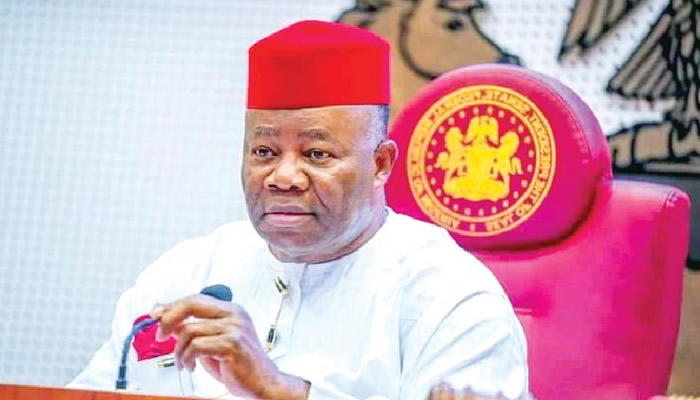
According to Punch Nigeria, the Nigerian Labour Congress (NLC) had been demanding a N225,000 minimum wage, citing economic hardship as the reason for their plea. The NLC's decision to make this demand public on Workers' Day was not a coincidence; it was a calculated move to amplify their message and draw attention to the plight of the nation's workers. As reported by Blueprint Newspapers, President of the Senate Godswill Akpabio congratulated the nation's workers on their resilience and patriotism, but his words seemed hollow to many, who saw it as a token gesture rather than a genuine attempt to address the root causes of their suffering.
Meanwhile, President Tinubu's speech was met with a mix of applause and skepticism. His declaration of insecurity and poverty as national emergencies was seen as a tacit admission of his administration's failure to address these issues. As Business Day noted, the Workers' Day celebration was dominated by talks of insecurity, inflation, and deepening hardship. The nation's workers, who had been struggling to make ends meet, felt that the government's efforts were too little, too late. According to Vanguard News, Senator Akpabio reassured workers that the National Assembly would legislate for better wages, but many saw this as a mere promise, devoid of concrete action.
As the celebration came to a close, it was clear that the nation was at a crossroads. The Tinubu administration's response to the nation's challenges was being met with increasing skepticism, while the opposition parties were gaining momentum. Former Vice President Atiku Abubakar and Labour Party presidential candidate Peter Obi were among the first to speak out against the administration's handling of the economy. According to Sun News Online, they vowed to tackle insecurity and poverty, but their words were seen as mere rhetoric by many, who questioned their ability to deliver on their promises.
The Economic Backdrop: Stabilization, Acceleration, and Political Capital
The nation's economic situation is a tale of two narratives. On one hand, the government claims to be making progress in stabilizing the economy, with inflation rates slowly coming down. According to a report by the News Agency of Nigeria, the Federal Government has reaffirmed its commitment to workers' welfare, but many see this as a mere public relations exercise. The truth is that the nation's economy is still reeling from the effects of the previous administration's policies, and the current administration's efforts to accelerate growth are being hindered by corruption, mismanagement, and a lack of transparency.
The nation's workers are not fooled by the government's rhetoric. They know that the economy is still in shambles, and their livelihoods are being threatened by the lack of decent wages, jobs, and social security. According to Punch Nigeria, the NLC has demanded a N225,000 minimum wage, but the government has yet to respond. The nation's workers are not asking for the moon; they are simply asking for a living wage that can sustain them and their families. But the government's response has been lukewarm at
The Economic Backdrop: Stabilization, Acceleration, and Political Capital
As the nation grapples with the economic downturn, it is essential to examine the root causes of the current situation. The government's claim of stabilizing the economy is tenuous at best, considering the numerous challenges facing the nation. For instance, the country's inflation rate, which had been steadily increasing over the past few years, has only recently begun to show signs of slowing down. However, this slowdown is largely attributed to the government's reliance on external factors such as international oil prices, rather than any meaningful domestic policies.
Furthermore, the nation's debt burden remains a significant concern. According to a report by the Debt Management Office (DMO), the country's total debt has exceeded 40 trillion naira, with a large portion of it being owed to foreign creditors. This has put a significant strain on the nation's finances, making it increasingly difficult for the government to implement any meaningful economic policies.
The government's efforts to accelerate economic growth are being hindered by corruption, mismanagement, and a lack of transparency. The recent discovery of multi-million naira contracts awarded to companies with questionable credentials is a stark reminder of the pervasive corruption that plagues the nation's economy. According to a report by Premium Times, several high-profile government officials have been accused of embezzlement and misappropriation of public funds.
The nation's workers are not fooled by the government's rhetoric, and it is not just the minimum wage that is at stake. The lack of decent jobs, social security, and basic amenities has left millions of citizens struggling to make ends meet. The recent strike by university lecturers, which was sparked by the government's failure to implement the 2009 agreement, is a prime example of the nation's workers' frustration with the government's lack of action.
The Tinubu administration's handling of the economy has been met with increasing skepticism, and it is clear that the nation is at a crossroads. While the opposition parties are gaining momentum, their ability to deliver on their promises remains uncertain. The nation's workers are demanding more than just rhetoric; they want concrete action, and it is time for the government to deliver.
The recent protests by the Academic Staff Union of Universities (ASUU) and the National Union of Teachers (NUT) have brought attention to the nation's education sector, which has been in shambles for years. The government's failure to address the sector's numerous challenges has resulted in a decline in the quality of education, leaving many students without access to decent learning facilities and qualified teachers. The nation's workers are calling for a comprehensive overhaul of the education sector, including an increase in funding, better working conditions, and improved pay for teachers.
In addition to the economic challenges facing the nation, there are also pressing concerns about security and governance. The recent upsurge in banditry and kidnapping in the north has left many citizens living in fear, while the government's response to these challenges has been lackluster. According to a report by Leadership Newspaper, the government has failed to provide adequate security measures for citizens, leading to a breakdown in trust between the government and the people.
The nation's workers are not just fighting for better wages; they are fighting for a better tomorrow. They want a government that is accountable, transparent, and committed to delivering on its promises. The Tinubu administration has an opportunity to turn the tide and demonstrate its commitment to the nation's workers by implementing meaningful economic policies and addressing the nation's pressing challenges. However, time is running out, and it is unclear whether the government will rise to the challenge.
📰 Sources Cited
- Punch Nigeria: Workers’ Day: Tinubu decries poverty, NLC demands N225,000 wage
- Blueprint Newspapers: May Day: Akpabio hails Nigerian workers’ resilience, patriotism
- TVC News: Workers’ Day: Tinubu Declares Insecurity, Poverty National Emergencies
- Daily Trust: May Day: We’re tackling insecurity, poverty with deliberate measures – Tinubu
- Sun News Online: May Day: Tinubu vows to tackle insecurity, poverty threatening workers
- Google News Nigeria: May Day: FG Reaffirms Commitment To Workers’ Welfare - News Agency of Nigeria
- Blueprint Newspapers: May Day: Insecurity, poverty major threats to jobs, productivity, national stability – Tinubu
- Vanguard News: May Day: NASS will legislate for better wages, Akpabio tells workers
- Vanguard News: May Day: Insecurity, poverty national emergencies, threatening workers — Tinubu
- Business Day: Workers’ Day: Insecurity, inflation dominate talks as labour warns of deepening hardship
0 Comments
Sign in to commentNo comments yet. Be the first to share your thoughts!