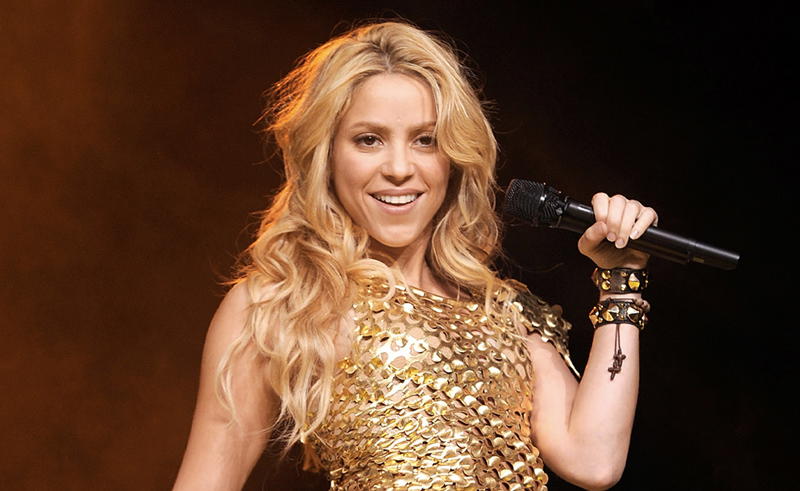
As the world's most beloved sporting event, the FIFA World Cup, prepares to kick off in North America in 2026, the excitement is palpable. The biggest-ever World Cup, featuring 48 national teams, will be staged across major cities in the United States, Canada, and Mexico from June 11 to July 19. The final will be held at the iconic MetLife Stadium in New Jersey, with a Super Bowl-style half-time show headlined by Madonna, Shakira, and K-pop megastars BTS, curated by Chris Martin. However, amidst the fanfare, a pressing concern is brewing: the visa rules that will govern the influx of foreign fans traveling to the United States to experience the tournament. According to Vanguard News, the United States government has been working to ease the visa requirements for fans from certain countries, but the rules remain complex and nuanced. As reported by Arise News, the United States government has exempted football fans from 50 countries from a $15,000 visa deposit requirement if they are traveling to the country for the World Cup with valid match tickets. This move is expected to boost the number of fans attending the tournament, but it also raises questions about the potential risks and challenges associated with hosting such a large-scale event.
The Visa Vexation: A Complex Web of Rules and Regulations The United States has issued detailed travel and visa requirements for fans planning to attend the 2026 FIFA World Cup, as outlined by Sun News Online. The policy, introduced under President Donald Trump's administration last year, was aimed at reducing visa overstays. Under the rule, travelers from affected countries were required to pay a refundable bond before entering the United States. According to YNaija, the visa rules have raised questions for Nigerian fans, who are eager to attend the tournament. Assistant Secretary of State for Consular Affairs, Mora Namdar, confirmed the exemption in a statement to the BBC, stating that players and coaches traveling for the tournament had already been exempt from the requirement. The 12-month pilot program was launched last August, and the visa bond would have been refunded after visitors completed their stay in the United States. As reported by Vanguard News, five of the affected countries - Algeria, Cape Verde, Ivory Coast, Senegal, and Tunisia - have qualified for the 2026 FIFA World Cup.
The Economic Backdrop: A Delicate Balance of Costs and Benefits The 2026 World Cup is expected to generate significant revenue for the host countries, with estimates suggesting that the tournament could bring in billions of dollars in tourism and sponsorship dollars. However, the costs associated with hosting the event are also substantial, including the need for infrastructure development and security measures. According to Al Jazeera Africa, the California attorney general has asked FIFA to explain why the categories of some tickets were changed after being sold, raising concerns about the transparency and fairness of the ticket sales process. As experts point out, the economic benefits of hosting the World Cup must be carefully weighed against the potential costs and risks. The United States government's decision to ease the visa requirements for fans is likely to boost the local economy, but it also raises concerns about the potential impact on national security and public health.
The Cultural and Social Dimension: A Celebration of Unity and Diversity The 2026 World Cup is not just a sporting event; it is also a celebration of unity and diversity. The tournament will bring together fans from around the world, creating a unique cultural and social experience. As reported by Punch Nigeria, scientists have warned FIFA about the extreme heat risks ahead of the 2026 World Cup, citing dangers to players and fans from rising temperatures across North America. The tournament will be staged across major cities in North America, including Los Angeles, Mexico City, and Toronto, each with its own unique cultural and social identity. The half-time show, featuring Madonna, Shakira, and BTS, is expected to be a highlight of the tournament, showcasing the diversity and creativity of global popular culture. According to experts, the World Cup has the power to bring people together, transcending national and cultural boundaries.
The Technological and Informational Battlefield: A New Era of Fan Engagement The 2026 World Cup will also be a showcase for the latest technological innovations, with FIFA investing heavily in digital infrastructure and fan engagement platforms. As reported by Vanguard News, the United States government has been working to ease the visa requirements for fans, using digital technologies to streamline the process. The tournament will feature advanced ticketing systems, digital payment platforms, and social media integration, creating a seamless and immersive experience for fans. According to analysts, the use of technology will be critical in enhancing the fan experience, providing real-time updates and information, and ensuring the security and integrity of the tournament.
Future Implications: A Blueprint for Global Events or a Band-Aid Solution? As the 2026 World Cup approaches, the visa rules and regulations will be put to the test. The United States government's decision to ease the visa requirements for fans is a positive step, but it remains to be seen whether it will be sufficient to meet the demands of the tournament. According to experts, the success of the World Cup will depend on the ability of the host countries to balance the competing demands of security, economics, and fan experience. As the world looks to the 2026 World Cup, it is clear that the tournament will be a defining moment in the history of global sports. The question remains: will the visa rules and regulations be a blueprint for future global events, or a Band-Aid solution to a complex problem? Only time will tell. As the tournament approaches, it is clear that the beautiful game will be played out on a complex and nuanced stage, with the visa rules and regulations playing a critical role in shaping the experience of fans and players alike. The stakes are high, and the outcome is far from certain.
experts, the World Cup has the power to bring people together, transcending national and cultural boundaries. Furthermore, the tournament's global reach and appeal will be amplified by the widespread use of social media, online streaming, and other digital platforms, allowing fans to engage with the event in real-time, regardless of their geographical location.
The 2026 World Cup will also serve as a catalyst for social and cultural exchange, with fans from diverse backgrounds converging on host cities to celebrate their shared passion for the beautiful game. As reported by CNN, the tournament is expected to attract over 3.5 million visitors to the United States, with many more watching from around the world. This influx of international visitors will not only boost local economies but also foster cross-cultural understanding and exchange, as fans from different countries interact and share their experiences.
In addition to its social and cultural implications, the 2026 World Cup will also have significant economic and environmental impacts. According to a report by the Sports & Fitness Industry Association, the tournament is expected to generate over $5 billion in revenue for the host cities, with much of this revenue coming from tourism, hospitality, and merchandise sales. However, the tournament will also pose significant environmental challenges, including the carbon footprint associated with international travel and the disposal of waste generated by large crowds.
To mitigate these impacts, FIFA and the host cities are investing in sustainable infrastructure and practices, such as energy-efficient stadiums, recycling programs, and public transportation systems. For example, the city of New York is planning to use electric and hybrid vehicles for transportation during the tournament, while the city of Los Angeles is implementing a comprehensive recycling program to minimize waste.
The 2026 World Cup will also be a showcase for the latest technological innovations in sports, including advanced player tracking systems, virtual and augmented reality experiences, and social media integration. According to a report by Deloitte, the use of technology will be critical in enhancing the fan experience, providing real-time updates and information, and ensuring the security and integrity of the tournament. For instance, the tournament will feature advanced ticketing systems, digital payment platforms, and mobile apps that allow fans to navigate the event and engage with other fans in real-time.
In conclusion, the 2026 World Cup will be a complex and multifaceted event, with significant social, cultural, economic, and environmental implications. As the tournament approaches, it is clear that the beautiful game will be played out on a nuanced and dynamic stage, with the visa rules and regulations, technological innovations, and sustainable practices all playing critical roles in shaping the experience of fans and players alike. Only time will tell if the tournament will be a success, but one thing is certain – the 2026 World Cup will be a defining moment in the history of global sports.
📰 Sources Cited
- Vanguard News: Shakira, Madonna, BTS to headline first World Cup final half-time show
- Arise News: United States Waives $15,000 Visa Deposit For Foreign Fans With World Cup Tickets
- Al Jazeera Africa: California questions FIFA’s possible violations in World Cup ticket sales
- Punch Nigeria: Scientists warn FIFA over extreme heat risks ahead of 2026 World Cup
- Vanguard News: United States relaxes visa bonds for World Cup fans
- Sun News Online: United States outlines strict visa rules for 2026 World Cup fans
- YNaija: Top 5 Stories Of The Day | 2026 World Cup Visa Rules Raise Questions for Nigerian Fans
0 Comments
Sign in to commentNo comments yet. Be the first to share your thoughts!