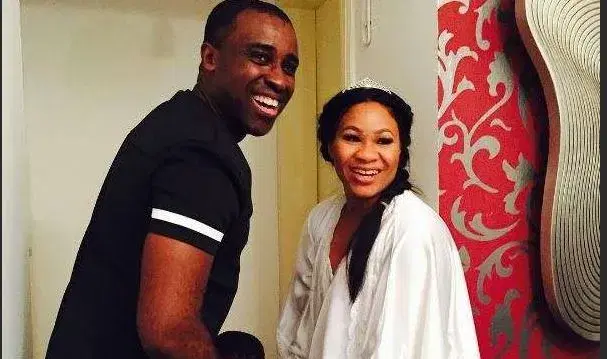
The sun had barely risen over the bustling streets of Lagos, Nigeria, when the news began to spread like wildfire: Frank Edoho, a renowned media personality, was embroiled in a bitter divorce saga with his estranged wife, Sandra. As the details of their troubled marriage began to emerge, it became clear that this was no ordinary tale of love gone wrong. According to Vanguard News, Sandra had taken to Instagram to level fresh allegations of infidelity and domestic abuse against her husband, sharing videos, pictures of injuries, and alleged chats with Edoho's purported sexual partners. The posts, which included payment receipts and other incriminating materials, painted a damning picture of a marriage marred by deceit, humiliation, and physical abuse. As reported by TVC News, Sandra's revelations sparked a heated debate online, with many Nigerians divided over the veracity of her claims. While some rallied to her defense, others questioned the timing and motives behind her decision to go public. Meanwhile, Frank Edoho remained eerily silent, fueling speculation about the true nature of their relationship. As analysts noted, the Edohos' marriage was not just a private affair, but a public spectacle that had captivated the nation. With the media landscape abuzz with commentary and criticism, it was clear that this was a story that would not be easily swept under the rug.
As the drama continued to unfold, one thing was certain: the facade of their seemingly perfect marriage had been irreparably fractured, revealing a complex web of secrets, lies, and betrayals that would have far-reaching consequences for all parties involved. The question on everyone's mind was: what had really gone wrong in the Edoho household, and how would this saga ultimately play out? The answer, much like the truth, remained elusive, shrouded in a tangled mess of emotions, accusations, and recriminations.
The Anatomy of a Toxic Relationship: Power, Control, and Manipulation
As the Edohos' divorce saga continued to dominate headlines, experts began to weigh in on the dynamics of their troubled marriage. According to analysts, the relationship was marked by a disturbing pattern of power, control, and manipulation. Sandra's allegations of physical and emotional abuse, as reported by Daily Post Nigeria, suggested a deep-seated imbalance in their relationship, with Frank Edoho wielding significant influence over his wife. The fact that he had allegedly cheated on her multiple times, as claimed by Sandra, further underscored the notion that their marriage was built on a foundation of deceit and betrayal. As one expert noted, "The Edohos' marriage was a classic example of a toxic relationship, where one partner exercises control over the other, often through coercion, manipulation, or intimidation." The consequences of such a dynamic were stark, with Sandra reportedly suffering from emotional trauma, anxiety, and depression. Meanwhile, Frank Edoho's silence on the matter only served to fuel speculation about his role in the marriage, with many wondering whether he was truly remorseful for his actions or simply biding his time until the storm passed. As the debate raged on, it became clear that the Edohos' marriage was not just a private affair, but a public reflection of the societal attitudes towards relationships, power, and control.
The fact that many Nigerians were still divided over the issue, with some blaming Sandra for her husband's infidelities, highlighted the deep-seated cultural and social norms that perpetuated such toxic relationships. As reported by TheCable, the Edohos' divorce saga had sparked a necessary conversation about the importance of healthy relationships, mutual respect, and consent. However, as the story continued to unfold, it remained to be seen whether this conversation would lead to meaningful change or simply serve as a fleeting moment of reflection. The Edohos' marriage may have been fractured, but the true test of societal progress lay in how Nigerians chose to respond to the crisis, and whether they would ultimately emerge with a deeper understanding of the complexities of human relationships.
The Economic and Social Backdrop: A Culture of Silence and Complicity
The Edohos' divorce saga was not just a personal tragedy, but a reflection of the broader societal attitudes towards relationships, marriage, and divorce. In Nigeria, where traditional values and cultural norms often prioritize family and social harmony over individual freedom and autonomy, the pressure to maintain a facade of perfection can be overwhelming. According to experts, this culture of silence and complicity can have devastating consequences, allowing toxic relationships to fester and perpetuate themselves. As reported by Premium Times Nigeria, the Edohos' marriage was not an isolated incident, but part of a larger pattern of relationship abuse and violence that affects millions of Nigerians. The fact that many women, like Sandra, are often forced to suffer in silence, afraid to speak out against their abusers due to fear of stigma, rejection, or retaliation, only serves to underscore the need for greater awareness and support. Meanwhile, the role of social media in amplifying the Edohos' divorce saga had sparked a heated debate about the impact of technology on relationships. While some argued that social media had provided a platform for Sandra to speak out against her abuser, others noted that it had also created a culture of voyeurism, where people felt entitled to comment and judge the private lives of others.
As one analyst noted, "The Edohos' divorce saga is a classic example of how social media can both empower and exploit, often at the same time." The question on everyone's mind was: how could Nigerians balance the need for greater awareness and support with the potential risks and consequences of social media? The answer, much like the truth, remained complex, multifaceted, and dependent on a deeper understanding of the intricate web of relationships, power, and control that underpinned Nigerian society. As the Edohos' divorce saga continued to unfold, one thing was certain: the conversation about relationships, marriage, and divorce had only just begun, and it would take time, effort, and courage to create a more just and equitable society for all.
The Cultural and Social Dimension: A Reflection of Societal Attitudes Towards Relationships
The Edohos' divorce saga had sparked a national conversation about the state of relationships in Nigeria, with many wondering whether the traditional values and cultural norms that prioritized family and social harmony over individual freedom and autonomy were still relevant in modern times. According to experts, the answer lay in a nuanced understanding of the complex interplay between culture, society, and individual relationships. As reported by Realnews Magazine, the Edohos' marriage was not just a personal affair, but a reflection of the broader societal attitudes towards relationships, marriage, and divorce. The fact that many Nigerians still viewed divorce as a taboo, often stigmatizing those who chose to end their marriages, highlighted the need for greater awareness and education. Meanwhile, the role of traditional values and cultural norms in shaping relationships had sparked a heated debate about the importance of preserving cultural heritage versus embracing modernity and progress. As one analyst noted, "The Edohos' divorce saga is a classic example of how traditional values and cultural norms can both unite and divide, often at the same time." The question on everyone's mind was: how could Nigerians balance the need to preserve cultural heritage with the importance of embracing modernity and progress? The answer, much like the truth, remained complex, multifaceted, and dependent on a deeper understanding of the intricate web of relationships, power, and control that underpinned Nigerian society.
As the Edohos' divorce saga continued to unfold, one thing was certain: the conversation about relationships, marriage, and divorce had only just begun, and it would take time, effort, and courage to create a more just and equitable society for all. The Edohos' marriage may have been fractured, but the true test of societal progress lay in how Nigerians chose to respond to the crisis, and whether they would ultimately emerge with a deeper understanding of the complexities of human relationships.
The Technological and Informational Battlefield: A Double-Edged Sword
The Edohos' divorce saga had also highlighted the role of technology and social media in shaping relationships and amplifying personal crises. According to experts, social media had created a double-edged sword, where individuals could both empower and exploit themselves, often at the same time. As reported by Google News Nigeria, the Edohos' divorce saga had sparked a heated debate about the impact of technology on relationships, with some arguing that it had provided a platform for Sandra to speak out against her abuser, while others noted that it had also created a culture of voyeurism, where people felt entitled to comment and judge the private lives of others. The fact that social media had amplified the Edohos' divorce saga, allowing millions of Nigerians to weigh in on the crisis, had also raised questions about the importance of privacy and boundaries in the digital age. As one analyst noted, "The Edohos' divorce saga is a classic example of how technology can both unite and divide, often at the same time." The question on everyone's mind was: how could Nigerians balance the need for greater awareness and support with the potential risks and consequences of social media? The answer, much like the truth, remained complex, multifaceted, and dependent on a deeper understanding of the intricate web of relationships, power, and control that underpinned Nigerian society.
As the Edohos' divorce saga continued to unfold, one thing was certain: the conversation about technology, social media, and relationships had only just begun, and it would take time, effort, and courage to create a more just and equitable society for all. The Edohos' marriage may have been fractured, but the true test of societal progress lay in how Nigerians chose to respond to the crisis, and whether they would ultimately emerge with a deeper understanding of the complexities of human relationships.
Future Implications: A Blueprint for Change or a Band-Aid Solution?
As the Edohos' divorce saga continued to unfold, the question on everyone's mind was: what did the future hold for Nigerian society? Would the conversation about relationships, marriage, and divorce lead to meaningful change, or would it simply serve as a fleeting moment of reflection? According to experts, the answer lay in a nuanced understanding of the complex interplay between culture, society, and individual relationships. As reported by Vanguard News, the Edohos' marriage was not just a personal affair, but a reflection of the broader societal attitudes towards relationships, marriage, and divorce. The fact that many Nigerians still viewed divorce as a taboo, often stigmatizing those who chose to end their marriages, highlighted the need for greater awareness and education. Meanwhile, the role of traditional values and cultural norms in shaping relationships had sparked a heated debate about the importance of preserving cultural heritage versus embracing modernity and progress. As one analyst noted, "The Edohos' divorce saga is a classic example of how traditional values and cultural norms can both unite and divide, often at the same time." The question on everyone's mind was: how could Nigerians balance the need to preserve cultural heritage with the importance of embracing modernity and progress?
The answer, much like the truth, remained complex, multifaceted, and dependent on a deeper understanding of the intricate web of relationships, power, and control that underpinned Nigerian society. As the Edohos' divorce saga continued to unfold, one thing was certain: the conversation about relationships, marriage, and divorce had only just begun, and it would take time, effort, and courage to create a more just and equitable society for all. The Edohos' marriage may have been fractured, but the true test of societal progress lay in how Nigerians chose to respond to the crisis, and whether they would ultimately emerge with a deeper understanding of the complexities of human relationships. Only time would tell if the Edohos' divorce saga would serve as a catalyst for change, or simply a fleeting moment of reflection in the annals of Nigerian history.
📰 Sources Cited
- TVC News: Estranged Wife Levels Fresh Allegations of Infidelity, Domestic Abuse Against Frank Edoho
- Google News Nigeria: Estranged Wife Levels Fresh Allegations of Infidelity, Domestic Abuse Against Frank Edoho - TVC News
- Vanguard News: Frank Edoho’s estranged wife makes fresh claims amid infidelity controversy
- Google News Nigeria: Netizens divided as rift between Frank Edoho, estranged wife Sandra continues - Realnews Magazine
0 Comments
Sign in to commentNo comments yet. Be the first to share your thoughts!