
I. INTRODUCTION: THE SHADOWS THAT TERRORIZE A REGION
In the pre-dawn darkness of a Monday morning in Imo State, gunmen descended on a police station. They moved with military precision, overwhelming the officers on duty, seizing weapons, and setting the building ablaze. When they left, the station was in ruins, officers were dead or injured, and the attackers had vanished into the shadows. The only description available: "unknown gunmen."
This scene has repeated itself dozens of times across Nigeria's Southeast region. Police stations attacked. Security checkpoints overrun. Government facilities destroyed. Traditional rulers assassinated. Politicians targeted. In each case, the perpetrators are described the same way: "unknown gunmen." The term has become so common in Nigerian security discourse that it has transcended description to become a category—a catch-all phrase that simultaneously explains everything and nothing.
The "unknown gunmen" phenomenon represents one of Nigeria's most complex and dangerous security challenges. It is a crisis where identity is contested, attribution is weaponized, and the truth becomes a casualty of competing narratives. The Nigerian government attributes the attacks to IPOB and its paramilitary wing, the Eastern Security Network (ESN). IPOB denies responsibility and accuses the government of using agent provocateurs. Local communities point to criminal elements taking advantage of the chaos. Human rights organizations document all three possibilities.
This article examines the "unknown gunmen" crisis not merely as a security problem, but as a case study in how competing narratives, incomplete investigations, and political interests can obscure the truth and deepen a crisis. It asks not just who the gunmen are, but why their identity matters, what their attacks reveal about the state of security in the Southeast, and what must be done to address a crisis that has left hundreds dead and thousands displaced.
II. THE PATTERN: UNDERSTANDING THE ATTACKS
The Targets: When Security Becomes Insecurity
The "unknown gunmen" attacks follow a clear pattern in their choice of targets:
The "unknown gunmen" attacks have systematically targeted security infrastructure across the Southeast, creating a pattern of violence that undermines the state's ability to maintain order and protect citizens. Dozens of police stations have been attacked, with officers killed, weapons seized, and facilities destroyed in operations that demonstrate both planning and audacity. These attacks are not random acts of violence but calculated strikes against the symbols and instruments of state authority, designed to demonstrate the attackers' capability and to undermine public confidence in the state's ability to provide security. Military and police checkpoints have been overrun with similar precision, with personnel killed or injured and weapons seized, creating a situation where security forces themselves become targets rather than protectors. Correctional facilities have also been targeted, with prisons attacked and inmates freed in operations that suggest both strategic planning and a desire to create chaos. Individual officers and soldiers have been targeted for assassination, creating a climate of fear among security personnel and making it difficult to maintain effective security operations.
Government facilities have been systematically targeted, with local government secretariats attacked and destroyed in operations that demonstrate the attackers' ability to strike at the heart of administrative infrastructure. Official vehicles have been hijacked and destroyed, creating a situation where government officials cannot safely travel and where the symbols of state authority are systematically undermined. Public infrastructure, including roads and bridges, has been targeted, creating a situation where the basic infrastructure necessary for economic activity and social cohesion is threatened. These attacks on government facilities are not merely acts of destruction but strategic strikes against the state's ability to govern, designed to demonstrate the attackers' capability and to undermine public confidence in government institutions.
Traditional and political targets have also been systematically attacked, with several traditional rulers assassinated in operations that create fear and uncertainty among community leaders. These assassinations are particularly significant because traditional rulers play a crucial role in maintaining social cohesion and mediating conflicts in Nigerian communities, and their deaths create a vacuum of leadership that makes communities more vulnerable to violence and division. Political figures have been targeted, with attacks on campaign offices, political gatherings, and individual politicians creating a situation where political activity becomes dangerous and where democratic processes are undermined. Community leaders have been killed, creating a situation where those who might serve as bridges between communities and the state are eliminated, making reconciliation and dialogue more difficult.
The modus operandi of these attacks reveals a level of sophistication and planning that suggests organization rather than opportunism. Most attacks occur in the early morning hours, when security forces are less alert and when communities are still sleeping, creating conditions where attackers can strike with maximum surprise and minimum resistance. The attacks are well-coordinated and executed with military precision, suggesting training, planning, and organization that goes beyond ordinary criminality. Attackers use sophisticated weapons, including automatic rifles and explosives, that require resources and access that suggest support from networks or organizations rather than isolated criminal acts. Attackers disappear quickly after attacks, leaving little evidence and making identification difficult, suggesting planning and coordination that includes escape routes and safe houses. Perhaps most significantly, attacks are rarely claimed by any group, creating a situation where attribution becomes a matter of speculation and where accountability becomes impossible, allowing perpetrators to operate with impunity while different narratives compete to explain their actions.
The Geographic Spread: A Regional Crisis
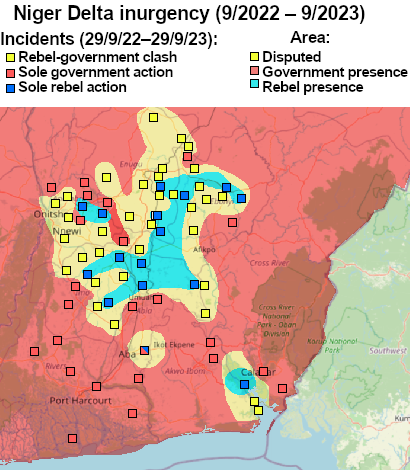
The attacks are not isolated to a single state but have spread across the entire Southeast region:
Imo State has experienced the highest number of "unknown gunmen" attacks, with the crisis particularly severe in Orlu, Owerri, and surrounding areas. According to the Imo State Police Command, at least 40 police stations were attacked between 2021 and 2023, with many completely destroyed in operations that demonstrated the attackers' capability and audacity. The state recorded at least 50 security personnel deaths during this period, including police officers, soldiers, and other security agents, creating a situation where security forces themselves became targets rather than protectors. The most notable attack occurred on April 5, 2021, when gunmen attacked the Imo State Police Command headquarters in Owerri, freeing over 1,800 inmates and destroying facilities in an operation that demonstrated both planning and audacity. May 2021 saw multiple attacks on police stations across the state, with at least 10 stations attacked in a single week, creating a situation where the security infrastructure of the state was systematically undermined. Attacks continued through 2022-2023, with police stations, security checkpoints, and government facilities repeatedly targeted, demonstrating the persistence and organization of the attackers.
Anambra State has experienced significant attacks, particularly in Onitsha, Awka, and Nnewi, with at least 25 police stations attacked between 2021 and 2023. Multiple security checkpoints were overrun, with personnel killed and weapons seized, creating a situation where security forces were unable to maintain control over key transportation routes and strategic locations. The assassination of traditional rulers has been particularly devastating, with at least 5 traditional rulers assassinated between 2021 and 2023, including Eze Ignatius Asor, the traditional ruler of Obudi Agwa in Oguta LGA, killed in January 2022, and Eze Anayo Durueburuo, the traditional ruler of Okwudor autonomous community, killed in November 2022. These assassinations created fear and uncertainty among community leaders, making it difficult to maintain social cohesion and community leadership. Several politicians and political figures were targeted, including attacks on campaign offices and political gatherings, creating a situation where political activity became dangerous and where democratic processes were undermined.
Ebonyi State has experienced attacks across multiple local government areas, with at least 15 police stations attacked between 2021 and 2023. Multiple security personnel were killed, including police officers and soldiers, creating a situation where security forces were unable to maintain effective operations. Local government secretariats and other government facilities were attacked and destroyed, undermining the state's ability to provide basic services and maintain administrative control. Several community leaders were assassinated, creating fear and uncertainty and making it difficult to maintain social cohesion and community leadership.
Enugu State has experienced attacks, though at a lower frequency than Imo and Anambra, with police stations, military checkpoints, and other security infrastructure targeted. Local government secretariats and other government facilities were attacked, creating a situation where the state's ability to govern was undermined. At least 3 traditional rulers were assassinated between 2021 and 2023, creating fear and uncertainty among community leaders. Several political figures were targeted, including attacks on political offices and gatherings, creating a situation where political activity became dangerous.
Abia State has experienced attacks, particularly in Umuahia and Aba, with at least 20 police stations attacked between 2021 and 2023. Multiple security checkpoints were overrun, with personnel killed, creating a situation where security forces were unable to maintain control. Local government secretariats and other government facilities were attacked, undermining the state's ability to provide services. Multiple security personnel were killed, including police officers and soldiers, creating a situation where security forces themselves became targets rather than protectors.
The Timeline: An Escalating Crisis
The "unknown gunmen" attacks began in late 2020 and early 2021, coinciding with a period of escalating tensions between the state and pro-Biafra groups. This period saw the escalation of IPOB's "sit-at-home" orders, which became increasingly enforced and violent, creating a situation where economic activity was disrupted and where the state's ability to maintain order was challenged. The formation of the Eastern Security Network (ESN) during this period added a new dimension to the conflict, with IPOB creating a paramilitary wing that claimed to protect communities from criminal elements but that the government viewed as a security threat. Increased military operations in the Southeast, including Operation Python Dance and other security operations, created a situation where tensions were high and where any incident could escalate into violence. Rising tensions between the state and pro-Biafra groups meant that the conditions for conflict were present, and the "unknown gunmen" attacks emerged in this context of escalating violence and political conflict.
The escalation of the crisis followed a clear pattern that demonstrated both the persistence of the attackers and the difficulty of addressing the problem through security operations alone. Initial attacks on police stations and security checkpoints began in late 2020, with a significant escalation in early 2021 that saw at least 50 police stations attacked across the Southeast. The April 5, 2021 attack on the Imo State Police Command headquarters marked a turning point, demonstrating the attackers' capability and audacity in an operation that freed over 1,800 inmates and destroyed facilities. The crisis escalated in 2021-2022 to include government facilities and traditional rulers, with at least 8 traditional rulers assassinated during this period, creating fear and uncertainty among community leaders. Government facilities, including local government secretariats, were repeatedly targeted, undermining the state's ability to govern. The May 30, 2022 Biafran Remembrance Day saw a spike in attacks, with multiple incidents reported across the region, demonstrating the attackers' ability to coordinate operations and to use significant dates for maximum impact.
Attacks continued through 2022-2023 with increasing sophistication, with attackers using more advanced weapons and tactics that suggested training, planning, and organization. The frequency of attacks remained high, with at least 100 police stations attacked during this period, creating a situation where the security infrastructure of the Southeast was systematically undermined. Security operations by the government, including Operation Udo Ka and other military operations, appeared to have limited effect, with attacks continuing despite increased military presence, suggesting that security operations alone were insufficient to address the crisis. Sustained attacks continued through 2023-2025 despite government security operations, with the pattern of attacks suggesting ongoing coordination and planning, and with attackers adapting to security measures in ways that demonstrated both resilience and organization.
The frequency of attacks reveals a pattern of violence that is both persistent and adaptive. Attacks occur regularly, often multiple times per week, with some periods, particularly in 2021-2022, seeing attacks occur almost daily. Some periods, particularly around significant dates or during security operations, saw daily attacks across multiple states, demonstrating the attackers' ability to coordinate operations and to use timing for maximum impact. Attacks spike around significant dates, including Biafran Remembrance Day (May 30), when multiple attacks are reported annually, demonstrating the attackers' ability to use symbolic dates for political and strategic purposes. Attacks increased during election periods, with security personnel and facilities targeted, creating a situation where democratic processes were undermined and where political activity became dangerous. Attacks often increased during or immediately after major security operations, suggesting that attackers were responding to government actions and that security operations themselves might be contributing to the cycle of violence. The pattern of attacks, including simultaneous attacks across multiple states, suggests coordination and planning beyond isolated criminal acts, indicating organization and resources that go beyond ordinary criminality.
III. THE NARRATIVES: COMPETING EXPLANATIONS
Narrative One: IPOB/ESN Responsibility
The Government's Position:
The Nigerian government and security agencies consistently attribute "unknown gunmen" attacks to IPOB and ESN. This narrative is based on:
The government's position is based on evidence that security agencies claim supports IPOB/ESN attribution. Security agencies have arrested individuals they claim are IPOB/ESN members, with these arrests frequently announced in press releases that attribute attacks to the organization. Some arrested individuals have allegedly confessed to IPOB/ESN involvement, though these confessions are often not made public and may have been obtained under circumstances that raise questions about their reliability. Weapons seized from attackers are claimed to match those used by ESN, though this evidence is often not independently verified and may be subject to interpretation. The timing of attacks coincides with IPOB activities and "sit-at-home" orders, creating a correlation that the government interprets as causation. The targets of attacks—police, government facilities, and security personnel—align with IPOB's stated enemies, creating a pattern that the government interprets as evidence of IPOB/ESN responsibility.
The government's logic follows a clear chain of reasoning that, while internally consistent, may not account for the complexity of the situation. IPOB has declared the Nigerian state an enemy, creating a political context where attacks on state institutions could be seen as consistent with IPOB's objectives. ESN was formed as a paramilitary wing, providing IPOB with the organizational structure and capability to carry out attacks. Attacks target IPOB's stated enemies, creating a pattern that appears consistent with IPOB's political objectives. IPOB benefits from the insecurity created by attacks, as insecurity undermines the state's legitimacy and creates conditions where IPOB's narrative of state failure gains credibility. Therefore, the government concludes, IPOB/ESN must be responsible for the attacks.
However, this narrative faces significant challenges that raise questions about its completeness and accuracy. IPOB consistently denies responsibility for attacks, creating a situation where attribution is contested and where the truth becomes a matter of competing claims rather than established fact. Some attacks don't fit IPOB's stated objectives, with attacks on traditional rulers and community leaders appearing inconsistent with IPOB's claim to represent the interests of the Southeast. Evidence is often not made public, creating a situation where the government's claims cannot be independently verified and where questions persist about the reliability of the evidence. Confessions may be coerced, with human rights organizations documenting cases where individuals were arrested, held for extended periods, and allegedly tortured, raising questions about the reliability of confessions obtained under such circumstances. Attribution may be politically motivated, with the government having an interest in attributing attacks to IPOB/ESN to justify security operations and to discredit the organization, creating a situation where political considerations may influence attribution rather than evidence alone.
Narrative Two: Agent Provocateurs
IPOB's Position:
IPOB and its supporters argue that "unknown gunmen" attacks are carried out by government agent provocateurs to justify military operations and discredit IPOB. This narrative is based on:
IPOB's position is based on evidence that supporters claim supports government attribution. The timing of attacks often occurs before or during military operations, creating a correlation that IPOB interprets as evidence of government orchestration. The sophistication of attacks requires resources and training that suggest state support, with attacks demonstrating planning, coordination, and capability that goes beyond what ordinary criminals or even well-organized groups might possess. Some attacks don't align with IPOB's stated objectives, with attacks on traditional rulers and community leaders appearing inconsistent with IPOB's claim to represent the interests of the Southeast, leading IPOB to argue that such attacks must be the work of agent provocateurs. The government benefits from the crisis, as attacks justify military operations, discredit IPOB, and create conditions where the state can increase its security presence and restrict civil liberties. Historical precedent suggests that similar tactics have been used in other conflicts, where governments have used agent provocateurs to justify security operations and to discredit opposition groups.
IPOB's logic follows a chain of reasoning that, while internally consistent, may not account for the complexity of the situation. According to IPOB's analysis, attacks that justify military operations could be seen as serving government interests, creating a political context where such operations appear beneficial to the state. IPOB's position suggests that attacks that can be attributed to IPOB serve government objectives of discrediting the organization, creating a political context where attribution benefits the state. Attacks create conditions for government action, providing justification for security operations and for restrictions on civil liberties. IPOB notes that security forces have resources and capability to carry out such attacks, with training, weapons, and organization necessary to conduct sophisticated operations. Therefore, IPOB concludes, the government must be behind the attacks.
However, this narrative faces significant challenges that raise questions about its completeness and accuracy. There is no direct evidence of government involvement, with IPOB's claims relying on circumstantial evidence and correlation rather than direct proof. Some attacks clearly benefit IPOB, with attacks on security forces and government facilities serving IPOB's narrative of state failure and creating conditions where IPOB's message gains credibility. The government would risk blowback from such operations, as attacks on security forces and government facilities undermine the state's legitimacy and create conditions where the state's ability to govern is questioned. Attribution may be politically motivated, with IPOB having an interest in attributing attacks to the government to discredit the state and to justify its own actions, creating a situation where political considerations may influence attribution rather than evidence alone. Evidence is often circumstantial, with IPOB's claims relying on correlation, timing, and political analysis rather than direct proof, creating a situation where the truth remains contested and where different narratives compete to explain the same events.
Narrative Three: Criminal Elements
The Community's Position:
Many local communities and analysts argue that "unknown gunmen" attacks are carried out by criminal elements taking advantage of the chaos. This narrative is based on:
The community's position is based on evidence that local residents and analysts claim supports criminal attribution. Some attacks appear motivated by robbery or extortion, with attackers seizing weapons, money, and other valuables in ways that suggest criminal rather than political objectives. Attackers demonstrate knowledge of local terrain and targets, suggesting that they are local actors who understand the communities they attack, rather than external actors who might be less familiar with local conditions. Attacks increase during periods of instability, creating a correlation that suggests opportunism rather than political strategy. Different attacks may have different perpetrators, with some attacks appearing more sophisticated and organized while others appear more opportunistic and criminal. Existing criminal networks may be exploiting the situation, using the cover of "unknown gunmen" to carry out criminal activities while avoiding attribution.
The community's logic follows a chain of reasoning that emphasizes the criminal dimensions of the crisis. Insecurity creates opportunities for crime, as the breakdown of law and order creates conditions where criminal elements can operate with impunity. Criminal elements have resources and capability, with existing criminal networks having the organization, weapons, and knowledge necessary to carry out attacks. Some attacks have clear criminal motives, with attackers seizing weapons, money, and other valuables in ways that suggest profit rather than politics. Multiple actors may be involved, with different attacks having different perpetrators and different motivations, creating a situation where the crisis is not the work of a single organization but of multiple actors with different objectives. Therefore, the community concludes, criminals must be responsible for at least some of the attacks.
However, this narrative faces significant challenges that raise questions about its completeness. It doesn't explain all attacks, with some attacks appearing too sophisticated or too politically motivated to be the work of ordinary criminals. Some attacks are too sophisticated for ordinary criminals, requiring planning, coordination, and resources that suggest organization and support beyond what typical criminal networks possess. The narrative doesn't address political dimensions, focusing on criminal motives while ignoring the political context and political implications of the attacks. It may oversimplify a complex situation, reducing a multifaceted crisis to simple criminality when the reality may involve multiple actors with different motivations. Evidence is often incomplete, with the community's claims relying on observation and analysis rather than direct proof, creating a situation where the truth remains contested and where different narratives compete to explain the same events.
Narrative Four: Multiple Actors
The Analyst's Position:
Many security analysts and human rights organizations argue that "unknown gunmen" attacks are carried out by multiple actors with different motivations. This narrative is based on:
The analyst's position is based on evidence that suggests the crisis is too complex for a single explanation. Different attacks use different tactics, with some attacks appearing more sophisticated and organized while others appear more opportunistic and criminal. Different attacks target different objectives, with some attacks targeting security forces while others target traditional rulers or government facilities, suggesting different motivations and different perpetrators. Some attacks are more sophisticated than others, requiring planning, coordination, and resources that suggest organization and support, while others appear more opportunistic and less organized. Multiple groups may be operating independently, with different groups having different objectives, different capabilities, and different relationships to the political conflict. Different attacks may have different motivations, with some attacks appearing politically motivated while others appear criminally motivated, creating a situation where the crisis cannot be explained by a single narrative.
The analyst's logic follows a chain of reasoning that emphasizes the complexity of the crisis. The crisis is too complex for a single explanation, involving multiple actors, multiple motivations, and multiple dimensions that cannot be reduced to a simple narrative. Multiple actors have capability and motive, with IPOB/ESN, criminal networks, government agents, and other actors all having the resources and motivation to carry out attacks. Different attacks may have different perpetrators, with some attacks being the work of IPOB/ESN, others being the work of criminal networks, and still others being the work of government agents or other actors. Attribution requires case-by-case analysis, with each attack needing to be investigated individually rather than being attributed to a single organization or actor based on assumptions or political considerations. Therefore, analysts conclude, multiple actors must be involved, and the crisis cannot be understood or addressed through a single narrative or a single approach.
However, this narrative faces significant challenges that raise questions about its utility. It doesn't provide clear answers, creating a situation where the truth remains elusive and where accountability becomes difficult when perpetrators cannot be identified. It may be used to avoid accountability, as attributing attacks to "multiple actors" can become a way of avoiding responsibility and of avoiding the difficult political questions that would come from identifying specific perpetrators. It doesn't address root causes, focusing on the complexity of the crisis while avoiding the deeper questions about why the crisis exists and what can be done to address it. It may oversimplify by including everything, creating a narrative so broad that it explains nothing, and so inclusive that it provides no guidance for action. Evidence is often incomplete, with the analyst's claims relying on analysis and interpretation rather than direct proof, creating a situation where the truth remains contested and where different narratives compete to explain the same events.
IV. THE HUMAN COST: STORIES FROM THE CRISIS
In a police station in Imo State, an officer describes the night his station was attacked: "We heard gunshots. We thought it was a robbery. Then we saw them—masked men with automatic weapons. They moved like soldiers. They knew exactly what to do. They killed three of my colleagues, took our weapons, and burned the station. We never saw their faces. We never knew who they were."
Behind every "unknown gunmen" attack lies a human story—an officer killed, a family displaced, a community terrorized, a life destroyed.
The Security Personnel: When Protectors Become Targets
In the intensive care unit of the Nnamdi Azikiwe University Teaching Hospital in Awka, Anambra State, Inspector James Okafor, a 38-year-old police officer with 12 years of service, describes the attack that nearly cost him his life: "It was April 5, 2021, around 5:30 a.m. I was on duty at the checkpoint on the Onitsha-Awka Expressway with three other officers. We heard motorcycles approaching, but we thought nothing of it—motorcycles are common here. Then suddenly, they opened fire. No warning, no questions, just bullets. My partner, Inspector Chukwu, was hit first. He died instantly. I was hit in the shoulder and leg. The other two officers were also hit. They took our weapons—three AK-47 rifles and ammunition. They burned our checkpoint. Then they disappeared. The whole thing took less than five minutes. We never saw their faces—they were masked. We never knew who they were. The government says it was IPOB. IPOB says it wasn't them. I don't know who to believe. I just know I'm lucky to be alive, but I'll never be the same."
Inspector Okafor's story is one of hundreds. According to the Nigeria Police Force, between January 2021 and December 2023, at least 150 police officers were killed in attacks attributed to "unknown gunmen" in the Southeast, with over 200 police stations attacked or destroyed. However, these figures are disputed, with some sources suggesting higher numbers and others questioning the attribution.
The physical trauma inflicted on security personnel has been severe, with many requiring multiple surgeries to remove bullets and repair damaged tissue. The nature of the attacks—sudden, violent, and often occurring at checkpoints or stations where officers are on duty—means that injuries are often severe, with some officers losing limbs or suffering permanent disabilities that end their careers and transform them from protectors into dependents. The long-term medical care needs of injured officers create a financial burden that extends years beyond the initial injury, with many officers and their families struggling to afford the ongoing care required for recovery. The physical trauma is compounded by psychological trauma that affects officers' ability to function, creating a situation where even those who recover physically may be unable to return to duty due to the psychological impact of the attack.
The psychological impact on security personnel has been profound, with many developing post-traumatic stress disorder that makes it impossible to return to normal duty. The fear of returning to duty is not merely a personal concern but reflects a broader crisis in the security forces, where officers are increasingly unwilling to serve in the Southeast due to the risk of attack. This fear creates a situation where security forces are undermanned, where officers request transfers, and where the quality of security provision declines as experienced officers leave and are replaced by less experienced or less committed personnel. The anxiety and depression that many officers experience affects not only their work but their personal lives, creating a situation where the trauma of the attack extends to families and communities. The difficulty trusting communities means that officers become isolated, viewing the people they are meant to protect as potential threats, creating a dynamic where security becomes a form of occupation rather than protection.
The economic impact on security personnel and their families has been devastating. Lost income due to injuries means that officers who were once able to provide for their families may now be unable to work, creating a financial crisis that compounds the trauma of the attack. Medical expenses add another layer of economic burden, with many officers and their families spending their savings or going into debt to pay for treatment. Reduced earning capacity due to disabilities means that even officers who can return to work may earn less, creating a long-term economic impact that extends years beyond the initial injury. The family financial strain created by these economic impacts means that the trauma of the attack extends beyond the individual officer to affect entire families, creating a situation where the cost of the attack is borne not only by the victim but by those who depend on them.
The Communities: When Home Becomes a Battlefield
In a community in Ebonyi State, a resident describes the impact: "We live in fear. Every night, we wonder if they will come. We don't know who they are. We don't know why they attack. We just know that nowhere is safe. Our children can't go to school. Our businesses are closed. Our lives are on hold."
The daily reality for communities affected by "unknown gunmen" attacks is one of constant fear and uncertainty. The fear of attack is not abstract but concrete, affecting every aspect of daily life, from the decision to open a business to the decision to send children to school. This constant fear creates a climate of anxiety that makes normal life difficult, with people avoiding public spaces, limiting their movements, and living with a sense of vulnerability that affects their ability to work, socialize, or participate in community life. The inability to go about daily activities means that communities become paralyzed, unable to function normally due to the threat of violence, creating a situation where the attackers achieve their objective of disrupting normal life even when they are not actively attacking.
Business closures have been widespread, with many businesses closing permanently or operating at reduced capacity due to fear of attack, reduced customer traffic, or the economic impact of the crisis itself. The closure of businesses means that communities lose not only economic activity but also the social spaces where people gather, where relationships are formed, and where community life is lived. School closures mean that children are denied education, creating a generation that is less educated, less skilled, and less able to contribute to their communities or the nation. Displacement means that communities are broken apart, with people fleeing to safer areas, leaving behind homes, livelihoods, and the social networks that make community possible. This displacement creates a situation where communities that were once vibrant become empty, where the social fabric is torn, and where the possibility of return becomes remote.
The social impact of this crisis has been devastating. Community trauma affects not only individuals but entire communities, creating a shared experience of fear, loss, and uncertainty that shapes how communities understand themselves and their relationship to the state. Social cohesion breakdown means that communities that were once united are now divided, with trust eroded and cooperation diminished, making collective action and community development difficult. Trust erosion means that communities are less willing to cooperate with each other, with government, or with security forces, creating a situation where the social capital necessary for development is destroyed. Increased conflict means that communities spend resources on security rather than development, creating a situation where the response to violence becomes a cause of further decline.
The economic impact of this social breakdown is profound. Business closures mean that communities lose economic activity, that jobs are lost, and that the economic base necessary for development is destroyed. Job losses mean that families lose income, that poverty increases, and that the economic desperation that may have contributed to the crisis in the first place is exacerbated. Reduced economic activity means that communities produce less, earn less, and have fewer resources to address the problems that created the crisis. Investment flight means that communities lose not only current economic activity but future economic potential, creating a situation where development becomes impossible and where communities are trapped in cycles of poverty and conflict.
The Families: Grieving Without Answers
In a home in Enugu State, a family mourns a son who was a police officer: "He was killed in an attack. We don't know who killed him. We don't know why. We just know he's gone. The government says it was IPOB. IPOB says it wasn't them. We don't know who to believe. We just want answers."
The grief experienced by families of security personnel killed in "unknown gunmen" attacks is compounded by the absence of answers, justice, or even acknowledgment. Families who lost loved ones find themselves in a situation where their loss is not only personal but political, where the death of their family member becomes part of a larger conflict that they did not choose and do not understand. These families receive no answers about who killed their loved one, why they were killed, or what is being done to bring the perpetrators to justice. The government's attribution of attacks to IPOB/ESN provides little comfort when IPOB denies responsibility, creating a situation where families are caught between conflicting narratives, unable to know the truth about what happened to their loved one. The absence of justice means that families must bear not only the emotional burden of loss but also the knowledge that their loved one's death may go unpunished, that the perpetrators may never be held accountable, and that their sacrifice may be forgotten.
The search for answers has become a defining feature of these families' lives, consuming their time, energy, and resources in a quest that has yielded little result. Families seeking information about what happened have been met with official statements that provide little detail, with investigations that are opaque, and with a system that seems designed to obscure rather than reveal the truth. Those seeking accountability have found that the institutions meant to provide justice are unwilling or unable to hold perpetrators accountable, particularly when the identity of perpetrators is contested and when political considerations make accountability inconvenient. Families seeking justice have discovered that the legal system offers little recourse when the perpetrators are unknown, when investigations are incomplete, and when the state itself is unable or unwilling to identify and prosecute those responsible. Most tragically, families seeking closure have found that closure is impossible without truth, without accountability, without justice—creating a wound that cannot heal because it is constantly reopened by the absence of answers and the presence of conflicting narratives that make it impossible to know what really happened.
The Displaced: When Flight Becomes Survival
In a displacement camp in Abia State, a displaced person describes his experience: "We fled our community because of the attacks. We don't know who was attacking. We just knew we weren't safe. We left everything behind. We came here with nothing. We don't know when we can return. We don't know if we can return."
The displacement caused by "unknown gunmen" attacks has created a humanitarian crisis that extends far beyond the immediate victims. Thousands have been displaced by attacks, fleeing their communities in search of safety, leaving behind homes, property, and the lives they had built. This displacement is not temporary but permanent for many, creating a situation where communities are broken apart and where the possibility of return becomes remote as the crisis continues. The loss of homes and property means that displaced persons lose not only their physical possessions but their economic base, their social networks, and their sense of place and belonging. The loss of livelihoods means that displaced persons lose their ability to provide for themselves and their families, creating a situation where displacement becomes a form of economic devastation that compounds the trauma of the attack itself.
The loss of community is perhaps the most devastating aspect of displacement, as people lose not only their homes but the social networks, relationships, and sense of belonging that make life meaningful. Displaced persons find themselves in unfamiliar places, among unfamiliar people, without the support systems that helped them cope with previous challenges. This loss of community creates a situation where displaced persons are not only physically displaced but socially and psychologically displaced, unable to find their place in new communities and unable to return to their old ones. The challenges faced by displaced persons are immense, with overcrowded camps, limited resources, health challenges, and education disruption creating a situation where displacement becomes a form of permanent crisis rather than temporary refuge.
Overcrowded camps mean that displaced persons live in conditions that are not only uncomfortable but dangerous, with limited space, inadequate sanitation, and the constant risk of disease. Limited resources mean that displaced persons receive inadequate assistance, that their basic needs are not met, and that they are forced to rely on their own resources or the charity of others. Health challenges mean that displaced persons face not only the trauma of displacement but the physical and psychological health problems that come with living in inadequate conditions, without access to adequate healthcare, and with the stress of uncertainty and loss. Education disruption means that children of displaced persons lose not only their homes but their education, creating a situation where the trauma of displacement is compounded by the loss of future opportunities, and where the cycle of poverty and conflict is perpetuated across generations.
V. THE INVESTIGATIONS: QUESTIONS WITHOUT ANSWERS
Official Investigations: Incomplete and Opaque
Police Investigations:
According to the Nigeria Police Force, police have launched investigations into "unknown gunmen" attacks across the Southeast. However, the transparency and effectiveness of these investigations have been questioned:
Police investigations have been characterized by a pattern of arrests and announcements that provide little clarity about the actual outcomes of investigations. Police have announced hundreds of arrests related to "unknown gunmen" attacks, with statements claiming that suspects are IPOB/ESN members, creating an appearance of action and progress. However, while arrests are frequently announced, the outcomes of prosecutions are rarely made public, creating a situation where the public cannot know whether arrests lead to convictions, whether evidence is sufficient, or whether justice is being served. Human rights organizations have documented cases where individuals were arrested, held for extended periods, and then released without charge, raising questions about the reliability of the evidence used to make arrests and about the fairness of the process. Questions persist about the evidence used to make arrests, with some cases appearing to rely on confessions that may have been coerced, creating a situation where the reliability of evidence is questionable and where the rights of suspects may have been violated. Investigations appear to focus almost exclusively on IPOB/ESN attribution, with little investigation of other possible perpetrators, creating a situation where alternative explanations are not explored and where the truth may remain elusive.
The Nigerian military has conducted multiple operations targeting "unknown gunmen," including Operation Udo Ka, launched in 2023, which targeted "unknown gunmen" and other security threats in the Southeast. This operation resulted in hundreds of arrests and dozens of reported killings of suspected gunmen, creating an appearance of action and progress. Operation Python Dance III, a continuation of earlier Python Dance operations focusing on the Southeast, resulted in multiple arrests and killings, but findings were not made public, creating a situation where the public cannot know what was accomplished, what evidence was gathered, or whether justice was served. Military operations have been criticized for lack of transparency, with human rights organizations documenting cases of extrajudicial killings and arbitrary arrests, raising questions about the legality and legitimacy of military operations. No military personnel have been publicly held accountable for abuses during these operations, despite documented cases of human rights violations, creating a situation where impunity is the norm and where the message is sent that security forces can act with impunity.
The Nigerian government's response to the "unknown gunmen" crisis has been characterized by consistent attribution of attacks to IPOB/ESN, with government officials and security agencies repeatedly stating that IPOB/ESN is responsible, creating a narrative that serves political purposes but that may not reflect the complexity of the situation. The government has launched multiple security operations, including Operation Udo Ka, Operation Python Dance III, and other military and police operations, creating an appearance of action and progress. However, despite calls from human rights organizations and the international community, no independent commission of inquiry has been established to investigate the "unknown gunmen" phenomenon, creating a situation where the truth remains elusive and where accountability is impossible. Comprehensive findings from investigations and operations are not made public, with information limited to press releases announcing arrests or operations, creating a situation where the public cannot know what was accomplished, what evidence was gathered, or whether justice was served.
The Problem of Incomplete Investigations
The lack of comprehensive, transparent investigations has several consequences:
The lack of comprehensive, transparent investigations has created a cascade of consequences that extend far beyond the immediate victims to affect the entire nation. For victims and their families, the absence of investigation means no closure, no justice, no compensation, and no accountability—creating a wound that cannot heal because it is constantly reopened by the absence of answers. This absence of closure is not merely an emotional burden but a practical one, affecting victims' ability to move forward with their lives, to trust institutions, to participate in civic life, and to believe in the possibility of justice. The absence of justice means that perpetrators face no consequences, creating a system where impunity is the norm and where the message sent to both attackers and citizens is that some lives matter less than others.
For communities, the absence of investigation means no healing, no reconciliation, no trust in institutions, and no resolution. The community cannot heal because the wound remains open, constantly aggravated by the absence of truth and accountability. Reconciliation becomes impossible when one party refuses to acknowledge wrongdoing, creating a relationship of domination rather than partnership. Trust in institutions erodes when those institutions fail to fulfill their most basic responsibilities, creating a crisis of legitimacy that extends beyond the specific incident to affect the entire relationship between citizens and the state. Resolution becomes impossible when the fundamental questions remain unanswered, creating a situation where the past continues to shape the present in ways that make progress difficult.
For the nation, the absence of investigation means no lessons learned, no prevention of future attacks, no accountability, and no justice. The failure to investigate the "unknown gunmen" attacks means that the systemic problems that made them possible remain unaddressed, creating conditions where similar incidents can and do occur. The absence of accountability means that attackers learn that they can act with impunity, creating a culture where violence becomes normalized. The absence of justice means that the rule of law becomes meaningless, replaced by a system where power determines outcomes rather than truth or right. This creates a nation where citizens cannot trust their government, where security forces cannot be trusted to protect, and where the social contract between state and citizen is broken beyond repair.
The Transparency Gap
The transparency gap represents a fundamental failure of governance that undermines the possibility of accountability and justice. What is not known about the "unknown gunmen" crisis is perhaps more significant than what is known, creating a situation where the truth remains elusive and where accountability is impossible. Who exactly is being arrested remains unclear, with arrests announced but identities not disclosed, creating a situation where the public cannot know who is being held, why they are being held, or whether their rights are being respected. What evidence exists against those arrested remains unknown, with evidence not made public and with questions persisting about the reliability and sufficiency of evidence. What confessions have been obtained remains unclear, with confessions not made public and with questions persisting about whether confessions were coerced or obtained through torture. How investigations are conducted remains opaque, with investigation processes not disclosed and with questions persisting about whether investigations are thorough, fair, and committed to finding the truth. What findings have been reached remains unknown, with investigation findings not made public and with questions persisting about what was discovered and what conclusions were drawn.
What is known about the "unknown gunmen" crisis is limited and often contradictory, creating a situation where the truth is obscured by incomplete information and conflicting narratives. Arrests are announced, creating an appearance of action and progress, but the outcomes of arrests remain unclear. Some individuals are charged, but the outcomes of prosecutions are rarely made public, creating a situation where the public cannot know whether justice is being served. Some are released, but the reasons for release remain unclear, creating a situation where the public cannot know whether releases reflect insufficient evidence, procedural problems, or other factors. Some are killed in operations, but the circumstances of killings remain unclear, creating a situation where the public cannot know whether killings were justified or whether they represent extrajudicial executions. Comprehensive data is not available, creating a situation where the public cannot know the full scope of the crisis, the full extent of investigations, or the full outcomes of operations.
The problem with this transparency gap is that it creates a system where accountability is impossible because the truth is obscured, where justice is impossible because the facts are unknown, and where trust is impossible because the public cannot verify claims or hold institutions accountable. Lack of transparency erodes trust, as communities cannot trust institutions that operate in secrecy, that refuse to share information, or that appear to have something to hide. Incomplete information prevents accountability, as the public cannot hold institutions accountable when they do not know what happened, what was done, or what the outcomes were. Opaque processes prevent verification, as the public cannot verify claims when processes are not disclosed and when information is not available. Secret investigations prevent public confidence, as the public cannot have confidence in investigations that are conducted in secret, that refuse to share findings, or that appear to have predetermined conclusions.
VI. THE ECONOMIC DIMENSION: THE COST OF INSECURITY
The "unknown gunmen" crisis has had devastating economic consequences that extend far beyond individual attacks to affect entire communities and the regional economy.
The Cost to Businesses
The direct costs to businesses have been devastating, with many businesses closing permanently due to insecurity, unable to operate in an environment where attacks are frequent and unpredictable. Property damage from attacks means that businesses lose not only their physical infrastructure but their inventory, equipment, and the capital investment necessary to rebuild. The loss of inventory and equipment creates a situation where businesses cannot simply reopen after an attack but must start over, often without the resources to do so. Security costs, including guards, barriers, and insurance, add another layer of economic burden, making it difficult for businesses to operate profitably even when they are not directly attacked. These security costs represent a form of economic extortion, where businesses must pay for protection that the state should provide, creating a situation where the cost of doing business becomes prohibitive and where economic activity becomes impossible.
The indirect costs have been equally devastating. Reduced customer traffic means that businesses that remain open operate at reduced capacity, earning less and struggling to survive in an environment where people are afraid to venture out. Reduced operating hours mean that businesses cannot operate normally, limiting their ability to serve customers and generate revenue. Reduced investment means that businesses cannot expand, modernize, or adapt to changing conditions, creating a situation where the business environment becomes stagnant and where economic development becomes impossible. Reduced economic activity means that the entire regional economy suffers, with less production, less trade, and less economic opportunity for everyone, creating a situation where the crisis becomes self-perpetuating, with economic decline creating conditions for further conflict.
The business closure crisis represents a fundamental threat to the economic viability of the Southeast region. Many businesses have closed permanently, unable to operate in an environment of constant insecurity, creating a situation where economic activity declines and where the economic base necessary for development is destroyed. Others operate at reduced capacity, struggling to survive but unable to thrive, creating a situation where the economy becomes a shadow of what it could be. New businesses are not opening, as investors avoid the region due to insecurity, creating a situation where economic development becomes impossible and where the region becomes trapped in cycles of poverty and conflict. Investment is fleeing the region, as both domestic and foreign investors seek safer environments, creating a situation where the Southeast loses not only current economic activity but future economic potential, making development impossible and ensuring that the crisis continues.
The Cost to Communities
The economic disruption caused by "unknown gunmen" attacks extends far beyond individual businesses to affect entire economic systems. Markets closed or operating at reduced capacity mean that the basic mechanisms of economic exchange are disrupted, creating a situation where people cannot buy or sell goods, where prices become unstable, and where the economic activity necessary for survival becomes difficult or impossible. Transportation disrupted means that goods cannot move, that people cannot travel, and that the economic integration necessary for development becomes impossible. Agricultural activities disrupted mean that farmers cannot plant, harvest, or sell their crops, creating a situation where food security is threatened and where rural communities lose their economic base. Trade disrupted means that the economic connections between communities, regions, and nations are broken, creating a situation where the Southeast becomes economically isolated and where the economic opportunities that come from trade are lost.
The social costs of this economic disruption are profound. Community trauma affecting productivity means that even when economic activity is possible, it is less productive due to the psychological impact of the crisis, creating a situation where the economic cost of the crisis extends beyond direct losses to include reduced productivity and efficiency. Reduced social cohesion means that communities are less able to work together, to pool resources, or to engage in collective economic activity, creating a situation where the social capital necessary for economic development is destroyed. Increased conflict means that communities spend resources on security rather than development, creating a situation where the response to violence becomes a cause of further economic decline. Reduced trust in institutions means that communities are less willing to participate in government programs, less likely to invest in community development, and more likely to view economic opportunities with suspicion, creating a barrier to development that is difficult to overcome.
The Cost to the Region
The economic impact of the "unknown gunmen" crisis on the Southeast region has been devastating, creating a situation where the region's economic potential is systematically undermined. Reduced economic activity means that the region produces less, earns less, and has fewer resources to address the problems that created the crisis in the first place. Reduced investment means that the region loses not only current economic activity but future economic potential, as investors avoid the region due to insecurity, creating a situation where development becomes impossible and where the region becomes trapped in cycles of poverty and conflict. Reduced trade means that the economic connections between the Southeast and other regions, as well as international markets, are broken, creating a situation where the region becomes economically isolated and where the economic opportunities that come from trade are lost. Reduced development means that the region cannot build the infrastructure, institutions, and capacity necessary for economic growth, creating a situation where the crisis becomes self-perpetuating, with economic decline creating conditions for further conflict.
The opportunity cost of this crisis is incalculable, representing resources and potential that are lost forever. Resources spent on security that could be spent on development represent a massive misallocation of resources that compounds the region's problems rather than solving them. Economic potential lost due to insecurity means that the region is poorer than it could be, that its citizens suffer more than they need to, and that its future is dimmer than it should be. Human capital lost due to displacement means that the region loses the skills, knowledge, and potential of those who flee, creating a permanent loss that cannot be recovered. Social capital lost due to division means that the region loses the trust, cooperation, and collective action that are necessary for development, creating a situation where progress becomes impossible because the foundation for progress has been destroyed.
VII. GOVERNANCE, TRUST, AND THE RISK OF DEEPENING THE CRISIS
For a nation seeking to address insecurity and build trust, the "unknown gunmen" crisis and the failure to provide clear answers pose a fundamental challenge to governance and security.
The Accountability Gap
Over the years since the "unknown gunmen" attacks began, Nigeria has struggled to demonstrate that it can effectively investigate and address the crisis. Questions persist about:
The questions about investigation effectiveness go to the heart of the accountability crisis. Why are investigations incomplete when the resources and capability exist to conduct thorough investigations? The answer appears to be that incomplete investigations serve a political purpose, allowing the state to claim that it is addressing the crisis while avoiding the accountability that would come from identifying and prosecuting perpetrators. Why are findings not made public when transparency is essential for building trust and ensuring accountability? The answer appears to be that transparency would reveal the inadequacy of investigations, the political considerations that shape them, and the failure to hold perpetrators accountable. Why is attribution contested when the identity of perpetrators should be a matter of fact rather than politics? The answer appears to be that contested attribution allows the state to avoid accountability while maintaining the appearance of action, creating a situation where the truth becomes a casualty of political expediency. What mechanisms exist to ensure accountability when the existing mechanisms have proven inadequate? The answer appears to be that few mechanisms exist, and those that do exist are weak, underfunded, or subject to political interference, creating a system where accountability is impossible because the mechanisms for accountability are themselves part of the problem.
The questions about transparency reveal a system designed to obscure rather than reveal the truth. Why is information not shared with the public when the public has a right to know what happened to their fellow citizens? The answer appears to be that information is power, and sharing information would empower citizens to demand accountability, creating a situation where the state's interest in maintaining power conflicts with the public's right to know. Why are investigations opaque when transparency is essential for building trust and ensuring accountability? The answer appears to be that opacity allows the state to control the narrative, to avoid accountability, and to maintain the appearance of action without the substance of justice. Why are findings not verified when verification is essential for ensuring that investigations are thorough and accurate? The answer appears to be that verification would reveal the inadequacy of investigations, the political considerations that shape them, and the failure to identify and prosecute perpetrators. What transparency mechanisms exist when the existing mechanisms have proven inadequate? The answer appears to be that few mechanisms exist, and those that do exist are weak, underfunded, or subject to political interference, creating a system where transparency is impossible because the mechanisms for transparency are themselves part of the problem.
The questions about justice reveal a system where justice is a function of power rather than right. Why are perpetrators not identified and prosecuted when identification and prosecution are essential for justice and accountability? The answer appears to be that identification and prosecution would require thorough investigations, political will, and a commitment to justice that conflicts with other political considerations. Why are victims not provided justice when justice is essential for healing, reconciliation, and the rule of law? The answer appears to be that providing justice would require acknowledging wrongdoing, holding perpetrators accountable, and providing remedies that the state is unwilling or unable to provide. Why are remedies not provided when remedies are essential for addressing the harm caused by attacks and for preventing future attacks? The answer appears to be that providing remedies would require acknowledging the state's failure to protect citizens, accepting responsibility for the crisis, and committing resources that the state is unwilling or unable to commit. What justice mechanisms exist when the existing mechanisms have proven inadequate? The answer appears to be that few mechanisms exist, and those that do exist are weak, underfunded, or subject to political interference, creating a system where justice is impossible because the mechanisms for justice are themselves part of the problem.
The Trust Crisis
The "unknown gunmen" crisis and the failure to provide clear answers have eroded trust in several ways:
The erosion of trust in security forces represents a fundamental crisis of legitimacy that affects the entire security architecture of the nation. Communities distrust security forces not because they are inherently untrustworthy but because they have proven unable or unwilling to protect citizens, to investigate attacks, or to hold perpetrators accountable. This distrust creates a situation where security forces are viewed as threats rather than protectors, where cooperation with security forces is reduced, and where the intelligence and community support necessary for effective security operations become unavailable. Support for security operations is limited because communities have seen that security operations often fail to prevent attacks, that they sometimes create more problems than they solve, and that they rarely result in accountability or justice. Security forces are seen as ineffective or complicit because they have failed to prevent attacks, to identify perpetrators, or to hold those responsible accountable, creating a situation where the distinction between security forces and attackers becomes blurred in the public mind.
The erosion of trust in government represents a crisis of legitimacy that affects the entire political system. Communities distrust government not because they are inherently opposed to government but because government has proven unable or unwilling to address the crisis, to provide security, or to ensure justice. This distrust creates a situation where government legitimacy is questioned, where support for government is reduced, and where alternative authorities gain support. Government legitimacy is questioned because government has failed to fulfill its most basic responsibility: to protect citizens and ensure justice. Support for government is reduced because government has failed to address the crisis, to provide answers, or to hold perpetrators accountable, creating a situation where government is viewed as part of the problem rather than part of the solution. Alternative authorities gain support because they offer what government cannot: protection, justice, and accountability, creating a situation where the state loses its monopoly on legitimate authority and where the social contract between state and citizen is broken.
The erosion of trust in institutions represents a crisis of legitimacy that affects the entire democratic system. Trust in the justice system is eroded because the justice system has proven unable or unwilling to provide justice, to hold perpetrators accountable, or to ensure that the rule of law applies to all. Trust in accountability mechanisms is limited because accountability mechanisms have proven weak, ineffective, or subject to political interference, creating a situation where accountability is impossible because the mechanisms for accountability are themselves part of the problem. Trust in democratic institutions is reduced because democratic institutions have proven unable or unwilling to address the crisis, to provide answers, or to ensure that democracy delivers on its promises of justice, accountability, and protection. Alternative institutions gain legitimacy because they offer what democratic institutions cannot: effective action, clear answers, and genuine accountability, creating a situation where the democratic system loses its legitimacy and where alternative systems gain support.
The Path to Rebuilding Trust
Rebuilding trust requires more than security operations. It requires:
Rebuilding trust requires truth, and truth requires acknowledgment of the complexity of the crisis. The "unknown gunmen" phenomenon is not a simple problem with a simple solution but a complex crisis involving multiple actors, competing narratives, and deep-seated grievances that cannot be addressed through security operations alone. Acknowledging this complexity means recognizing that the crisis has multiple causes, that different attacks may have different perpetrators, and that addressing the crisis requires understanding and addressing the root causes rather than merely responding to symptoms. Transparent investigation and reporting are essential for building trust, as communities cannot trust institutions that operate in secrecy, that refuse to share information, or that appear to have something to hide. Honest dialogue about the attacks means engaging with communities, listening to their concerns, and addressing their grievances rather than dismissing them or attributing them to external actors. Recognition of victims' suffering means acknowledging the human cost of the crisis, providing support to victims and their families, and ensuring that their suffering is not forgotten or ignored.
Rebuilding trust requires justice, and justice requires accountability for those responsible. Accountability means identifying perpetrators regardless of their identity, investigating their actions thoroughly, and prosecuting them fairly and transparently. This accountability must extend not only to the attackers but to security forces who may have committed abuses, to government officials who may have failed in their responsibilities, and to anyone else who may have contributed to the crisis through action or inaction. Prosecution of perpetrators means ensuring that those responsible face consequences for their actions, that justice is served, and that the message is sent that attacks will not be tolerated and that perpetrators will be held accountable. Remedies for victims mean providing compensation, support, and assistance to those who have suffered, ensuring that victims receive not only justice but the resources they need to rebuild their lives. Reform of systems that failed means addressing the systemic problems that made the crisis possible, ensuring that security forces are properly trained and held accountable, that investigations are thorough and transparent, and that the rule of law applies to all.
Rebuilding trust requires security, and security requires effective security operations that protect communities rather than merely responding to attacks. Effective security operations mean deploying security forces in ways that prevent attacks rather than merely responding to them, that build trust rather than fear, and that address the root causes of insecurity rather than merely its symptoms. Protection of communities means ensuring that communities are safe, that they can go about their daily activities without fear, and that they can trust that security forces will protect them rather than harm them. Prevention of future attacks means addressing the conditions that make attacks possible, building intelligence networks, engaging with communities, and addressing grievances before they escalate into violence. Building of community trust means creating relationships between security forces and communities based on mutual respect, cooperation, and shared commitment to security, ensuring that communities view security forces as protectors rather than threats and that security forces view communities as partners rather than enemies.
If Nigeria wants to address the "unknown gunmen" crisis and rebuild trust, it cannot rely on attribution alone. It must demonstrate, through actions rather than statements, that it is serious about investigation, accountability, and security: conducting thorough and transparent investigations, holding perpetrators accountable regardless of their identity, providing remedies to victims, and building systems that prevent future attacks. Without that, each unresolved attack, each unanswered question, each unaccounted death risks not only deepening the crisis but also eroding the trust necessary to address it.
VIII. THE PATH FORWARD: SOLUTIONS AND CHALLENGES
Addressing the "unknown gunmen" crisis and preventing future attacks requires a comprehensive approach that goes beyond security operations to address root causes and build trust.
Investigation and Accountability
Comprehensive investigation requires establishing independent investigations into attacks that are free from political interference, that have the resources and authority necessary to conduct thorough investigations, and that are committed to finding the truth regardless of where it leads. These investigations must be conducted thoroughly and transparently, with findings made public and communities engaged in the process, ensuring that investigations serve the purpose of finding truth and building trust rather than obscuring truth and avoiding accountability. Making findings public is essential for building trust, as communities cannot trust investigations that are conducted in secret, that refuse to share information, or that appear to have predetermined conclusions. Providing answers to victims and communities means ensuring that those who have suffered receive the information they need to understand what happened, why it happened, and what is being done to prevent it from happening again.
Accountability requires identifying and prosecuting perpetrators regardless of their identity, ensuring that justice is served and that the message is sent that attacks will not be tolerated. This accountability must extend to security forces who may have committed abuses during operations, to government officials who may have failed in their responsibilities, and to anyone else who may have contributed to the crisis. Holding security forces accountable for their actions means ensuring that security forces operate within the law, that abuses are investigated and prosecuted, and that security forces are held to the same standards of accountability as other citizens. Holding government accountable for its response means ensuring that government addresses the crisis effectively, that it provides answers to victims and communities, and that it takes responsibility for its failures. Providing justice to victims means ensuring that victims receive not only acknowledgment of their suffering but compensation, support, and the assurance that their suffering will not be forgotten or ignored.
Transparency requires making investigation processes transparent, ensuring that communities understand how investigations are conducted, what evidence is being gathered, and what findings are being reached. This transparency is essential for building trust, as communities cannot trust investigations that are conducted in secret or that refuse to share information. Making findings public means ensuring that the results of investigations are shared with the public, that communities understand what happened and why, and that the truth is not hidden or obscured. Engaging communities in investigations means ensuring that communities have a voice in the investigation process, that their concerns are heard and addressed, and that they are treated as partners rather than subjects. Building public confidence means ensuring that investigations are seen as thorough, fair, and committed to finding the truth, creating a situation where communities trust that investigations will lead to accountability and justice.
Security and Protection
Effective security requires improving security force capacity through better training, equipment, and resources, ensuring that security forces are able to prevent attacks rather than merely respond to them. This improvement must include training in human rights, crowd control, and de-escalation, ensuring that security forces are equipped to handle complex situations without resorting to excessive force. Deploying security forces effectively means positioning them in ways that prevent attacks, that build trust with communities, and that address the root causes of insecurity rather than merely its symptoms. Protecting communities from attacks means ensuring that communities are safe, that they can go about their daily activities without fear, and that they can trust that security forces will protect them. Preventing future attacks means addressing the conditions that make attacks possible, building intelligence networks, engaging with communities, and addressing grievances before they escalate into violence.
Community engagement requires building relationships between security forces and communities based on mutual respect, cooperation, and shared commitment to security. Engaging communities in security efforts means ensuring that communities have a voice in security planning, that their concerns are heard and addressed, and that they are treated as partners rather than subjects. Building trust between communities and security forces means creating relationships based on transparency, accountability, and mutual respect, ensuring that communities view security forces as protectors rather than threats and that security forces view communities as partners rather than enemies. Addressing community grievances means listening to communities' concerns, understanding their perspectives, and working to address the root causes of conflict rather than merely responding to symptoms. Building community resilience means ensuring that communities have the resources, capacity, and support they need to prevent attacks, to respond to crises, and to rebuild after attacks, creating a situation where communities are not merely passive victims but active participants in their own security.
Intelligence is essential for preventing attacks and for identifying perpetrators, but the current intelligence system appears inadequate to address the "unknown gunmen" crisis. Improving intelligence gathering means building networks of informants, developing relationships with communities, and creating systems for collecting and analyzing information about potential threats. This improvement must include not only technical intelligence but also human intelligence, as understanding the motivations, networks, and plans of attackers requires relationships and trust that cannot be built through technology alone. Sharing intelligence effectively means ensuring that intelligence is shared between different security agencies, between security forces and communities, and between different levels of government, creating a situation where intelligence is used to prevent attacks rather than to respond to them. Acting on intelligence promptly means ensuring that intelligence leads to action, that threats are addressed before they materialize, and that intelligence is not collected and then ignored. Preventing attacks through intelligence means using intelligence to disrupt planning, to identify perpetrators, and to address the conditions that make attacks possible, creating a situation where intelligence serves the purpose of prevention rather than merely response.
Addressing Root Causes
Addressing the root causes of the "unknown gunmen" crisis requires political dialogue that engages all stakeholders in a process of understanding, negotiation, and resolution. This dialogue must be genuine rather than ceremonial, addressing legitimate grievances rather than dismissing them, and building political solutions rather than imposing them. Engaging in dialogue with all stakeholders means including not only government and security forces but also communities, civil society, and even those who may be involved in or sympathetic to the attacks, ensuring that all voices are heard and all perspectives are considered. Addressing legitimate grievances means recognizing that the crisis has causes beyond mere criminality, that communities have legitimate concerns about marginalization, resource control, and political representation, and that these concerns must be addressed if the crisis is to be resolved. Building political solutions means creating processes and mechanisms for addressing grievances through dialogue, negotiation, and compromise rather than through force, ensuring that political solutions are sustainable and that they address the root causes rather than merely the symptoms. Reducing tensions means creating conditions where dialogue is possible, where grievances can be expressed and addressed, and where violence is not seen as the only option for achieving political objectives.
Economic development is essential for addressing the root causes of the crisis, as economic desperation, unemployment, and poverty create conditions where violence becomes attractive and where criminality becomes a means of survival. Investing in economic development means creating jobs and opportunities, building infrastructure, and supporting businesses, ensuring that communities have economic alternatives to violence and that young people have opportunities for legitimate employment. Creating jobs and opportunities means not only providing employment but ensuring that employment is meaningful, that it provides a living wage, and that it offers opportunities for advancement and growth. Reducing poverty and inequality means addressing the economic disparities that fuel grievances, ensuring that economic development benefits all communities rather than only some, and creating conditions where economic opportunity is available to all. Addressing economic grievances means recognizing that economic marginalization is a legitimate concern, that communities have a right to benefit from the resources in their regions, and that economic development must be inclusive rather than exclusive.
Social cohesion is essential for addressing the root causes of the crisis, as divided communities are more vulnerable to violence and less able to resist those who would exploit division for their own purposes. Building social cohesion means creating relationships between different groups, ensuring that communities are united rather than divided, and that they work together rather than against each other. Addressing ethnic and religious tensions means recognizing that these tensions exist, that they contribute to the crisis, and that they must be addressed through dialogue, understanding, and mutual respect rather than through force or suppression. Promoting reconciliation means creating processes for healing the wounds of the past, for addressing historical grievances, and for building relationships based on mutual respect and shared commitment to peace. Building unity means creating a sense of shared identity and purpose that transcends ethnic, religious, and regional differences, ensuring that all Nigerians see themselves as part of a single nation with shared interests and shared responsibilities.
The Challenges Ahead
Implementing comprehensive solutions faces significant challenges:
Political will is essential for addressing the crisis, but it is often in short supply. Acknowledging the complexity of the crisis is politically difficult because it requires admitting that simple solutions are inadequate, that the state has failed in its responsibilities, and that addressing the crisis requires fundamental changes in how the state operates. This acknowledgment is difficult because it challenges the narrative of state competence, because it requires accepting responsibility for failures, and because it may create political backlash from those who benefit from the status quo. Holding all actors accountable is politically sensitive because it requires holding powerful actors accountable, challenging existing power structures, and risking political backlash. Addressing root causes requires sustained commitment that extends beyond electoral cycles, requiring political leaders to invest in long-term solutions rather than short-term fixes that may be more politically popular. Building trust requires patience, as trust cannot be built quickly or easily, requiring consistent action over time that demonstrates commitment to truth, justice, and accountability.
Security challenges are significant, reflecting the difficulty of addressing a crisis where perpetrators are unknown, where attacks are unpredictable, and where the line between security and rights is often unclear. Identifying perpetrators is difficult because attacks are often carried out by masked assailants who disappear quickly, leaving little evidence, and because investigations are often incomplete or opaque. Securing communities is challenging because communities are spread across large areas, because security forces are limited in number and capacity, and because securing communities requires not only physical presence but also trust and cooperation. Preventing attacks requires intelligence that is often unavailable, unreliable, or incomplete, creating a situation where prevention is difficult and where security forces are often forced to respond to attacks rather than prevent them. Balancing security with rights is complex because security operations often involve restrictions on rights, because the line between security and repression is often unclear, and because communities may view security operations as threats rather than protection.
Resource constraints are significant, as comprehensive solutions require resources that may be difficult to allocate in a context of competing priorities and limited budgets. Comprehensive investigations require resources for staffing, equipment, and operations, creating a situation where thorough investigations may be difficult to fund. Security operations require resources for deployment, equipment, and personnel, creating a situation where effective security operations may be difficult to sustain. Economic development requires resources for infrastructure, job creation, and social programs, creating a situation where addressing root causes may be difficult to fund. Sustained commitment requires resources over time, creating a situation where long-term solutions may be difficult to maintain in the face of competing demands and political pressures.
Time is a critical factor in addressing the crisis, as building trust, addressing root causes, and preventing attacks all require sustained effort over time. Building trust takes time because trust cannot be built quickly or easily, requiring consistent action that demonstrates commitment to truth, justice, and accountability. Addressing root causes takes time because root causes are deep-seated, involving decades of marginalization, grievance, and conflict that cannot be resolved quickly or easily. Preventing attacks takes time because prevention requires building intelligence networks, engaging with communities, and addressing grievances, all of which require sustained effort and commitment. Patience is required because progress may be slow, because setbacks are inevitable, and because the crisis cannot be resolved overnight, requiring sustained commitment even when progress is difficult to see or measure.
IX. THE OFFICIAL NARRATIVE: SECURITY CHALLENGES AND RESPONSE EFFORTS
According to available reports, the Nigerian government and security agencies have acknowledged the severity of the "unknown gunmen" crisis and have implemented various security operations and initiatives aimed at addressing the attacks.⁶ Government officials and security agency leaders have pointed to the complexity of identifying perpetrators when attackers operate anonymously, noting that the "unknown gunmen" phenomenon creates unique challenges that require sophisticated intelligence gathering and community cooperation.⁷ The position presented by authorities emphasizes the need for comprehensive security operations, improved intelligence, and community engagement, acknowledging that addressing the crisis requires sustained commitment over many years.⁸
According to official statements, government officials have highlighted the security operations that have been launched, including Operation Udo Ka, Operation Python Dance III, and other military and police operations that have resulted in hundreds of arrests and dozens of reported killings of suspected gunmen.⁹ They point to the challenges of operating in a context where perpetrators are masked, where attacks are unpredictable, and where communities may be reluctant to cooperate with security forces due to fear or distrust.¹⁰ The government has also emphasized efforts to improve intelligence gathering, to build relationships with communities, and to address the root causes of insecurity through economic development and political dialogue.¹¹
However, according to available reports, government officials also acknowledge the significant challenges that remain.¹² They point to the difficulty of identifying perpetrators when attacks are carried out by masked assailants who disappear quickly, leaving little evidence, noting that investigations are complicated by the anonymous nature of the attacks.¹³ They emphasize the need for community cooperation, as intelligence gathering requires relationships and trust that cannot be built through force alone.¹⁴ Government officials also highlight the challenges of balancing security operations with respect for human rights, noting that security operations must be effective while also maintaining public trust and legitimacy.¹⁵ They acknowledge that addressing the crisis requires not only security operations but also political dialogue, economic development, and social cohesion, recognizing that the crisis has multiple causes that cannot be addressed through security alone.¹⁶
The official narrative emphasizes that addressing the "unknown gunmen" crisis is a long-term endeavor that requires sustained commitment, adequate resources, and effective coordination across multiple institutions and stakeholders. Government officials argue that progress is being made, though they acknowledge that the pace of improvement may be slower than communities would prefer, and that addressing a crisis of this complexity requires time, resources, and sustained effort. They emphasize that if security operations are sustained, if intelligence gathering improves, and if communities cooperate with security forces, then the crisis can be addressed, though they acknowledge that these conditions are not always present and that the crisis may continue until these conditions are met.
X. KEY QUESTIONS FOR NIGERIA'S LEADERS AND PARTNERS
As Nigeria grapples with the "unknown gunmen" crisis that has left hundreds dead and thousands displaced, critical questions emerge that require answers from leaders, policymakers, and stakeholders. What specific mechanisms exist to ensure that investigations into "unknown gunmen" attacks are thorough, transparent, and committed to finding the truth regardless of where it leads? How can the government balance the need for effective security operations with the need to respect human rights and maintain public trust? What accountability mechanisms exist to hold perpetrators responsible when their identity is contested and when investigations are incomplete?
For security agencies, questions persist about the effectiveness of current security operations in preventing attacks, the adequacy of intelligence gathering systems, and the relationship between security operations and community trust. How can security forces identify perpetrators when attacks are carried out by masked assailants who disappear quickly, leaving little evidence? What mechanisms exist to ensure that security operations build trust rather than fear, and that communities view security forces as protectors rather than threats? How can security forces balance the need for effective operations with the need to respect human rights and maintain legitimacy?
For communities affected by the crisis, questions emerge about their role in addressing the crisis and their relationship with security forces and government. How can communities cooperate with security forces when they fear retaliation from attackers or when they distrust security forces? What mechanisms exist to ensure that communities have a voice in security planning and that their concerns are heard and addressed? How can communities work with government and security forces to create an environment where attacks are prevented and where perpetrators are identified and held accountable?
For international partners and human rights organizations, questions persist about how to support Nigeria's efforts to address the crisis while ensuring that security operations respect human rights and that investigations are thorough and transparent. How can international partners support Nigeria's security operations while ensuring that human rights are respected and that accountability is ensured? What mechanisms exist to ensure that international support produces tangible results and that security operations are effective rather than merely repressive? How can international partners work with Nigeria to address the root causes of the crisis while respecting Nigeria's sovereignty and policy priorities?
For analysts and researchers, questions emerge about the complexity of the crisis and the adequacy of current explanations. How can the competing narratives about the identity of "unknown gunmen" be reconciled, and what evidence exists to support different attributions? What mechanisms exist to ensure that investigations are thorough enough to identify perpetrators regardless of their identity, and that the truth is not obscured by political considerations? How can the root causes of the crisis be addressed when the identity of perpetrators is contested and when different actors have different explanations for the attacks?
These questions are not merely academic—they are fundamental to understanding how Nigeria can address the "unknown gunmen" crisis and what each stakeholder must do to contribute to solutions. The answers to these questions will determine whether Nigeria can solve the mystery of the "unknown gunmen," whether perpetrators can be identified and held accountable, and whether the crisis can be resolved before it deepens further.
XI. TOWARDS A GREATER NIGERIA: WHAT EACH SIDE MUST DO
Addressing the "unknown gunmen" crisis requires action from all stakeholders, each with distinct but interconnected responsibilities. If Nigeria is to solve the mystery of the "unknown gunmen" and prevent future attacks, each side must fulfill its obligations and work collaboratively toward common goals.
For the Federal and State Governments:
If government is to address the crisis effectively, it must establish independent investigations into attacks that are free from political interference, that have the resources and authority necessary to conduct thorough investigations, and that are committed to finding the truth regardless of where it leads. If government conducts thorough and transparent investigations, then communities are more likely to trust that the truth will be revealed and that perpetrators will be held accountable. Government must make investigation findings public, ensuring that communities understand what happened, why it happened, and what is being done to prevent future attacks. If government provides answers to victims and communities, then trust can be rebuilt and the social contract between state and citizen can be restored. Government must hold perpetrators accountable regardless of their identity, ensuring that justice is served and that the message is sent that attacks will not be tolerated. If government addresses the root causes of the crisis through political dialogue, economic development, and social cohesion, then the conditions that make attacks possible can be addressed and the crisis can be resolved.
For Security Forces:
If security forces are to prevent attacks and identify perpetrators, they must improve intelligence gathering through building networks of informants, developing relationships with communities, and creating systems for collecting and analyzing information about potential threats. If security forces build trust with communities through transparency, accountability, and respect for human rights, then communities are more likely to cooperate with security operations and provide intelligence that can prevent attacks. Security forces must deploy effectively, positioning themselves in ways that prevent attacks, build trust with communities, and address the root causes of insecurity rather than merely its symptoms. If security forces hold themselves accountable for abuses and operate within the law, then communities are more likely to view security forces as protectors rather than threats. Security forces must engage with communities as partners rather than subjects, ensuring that communities have a voice in security planning and that their concerns are heard and addressed.
For IPOB and Pro-Biafra Groups:
If IPOB and pro-Biafra groups are to contribute to resolving the crisis, they must clearly and consistently denounce violence and attacks on security forces and government facilities, ensuring that their political objectives are pursued through peaceful means rather than through violence. If these groups cooperate with investigations and provide information about attacks, then perpetrators can be identified and held accountable, and the truth about the crisis can be revealed. These groups must engage in political dialogue with government, addressing legitimate grievances through negotiation and compromise rather than through violence. If these groups work with communities to address security concerns and to prevent attacks, then the crisis can be resolved and political objectives can be achieved through peaceful means.
For Communities:
If communities are to contribute to resolving the crisis, they must cooperate with security forces and provide intelligence about potential threats, recognizing that security operations require community support to be effective. If communities build relationships with security forces based on mutual respect and shared commitment to security, then security operations are more likely to be effective and communities are more likely to be protected. Communities must engage in dialogue with government and security forces, expressing concerns and grievances through peaceful means rather than through violence. If communities work together to address security concerns and to prevent attacks, then the crisis can be resolved and communities can be protected.
For Civil Society and Human Rights Organizations:
If civil society and human rights organizations are to contribute to resolving the crisis, they must document attacks and advocate for thorough and transparent investigations, ensuring that the truth is revealed and that perpetrators are held accountable. If these organizations monitor security operations and document abuses, then accountability can be ensured and human rights can be protected. These organizations must advocate for victims and their families, ensuring that victims receive justice, compensation, and support. If these organizations engage in dialogue with government and security forces, then solutions can be developed that address the crisis while respecting human rights and ensuring accountability.
For International Partners:
If international partners are to support Nigeria's efforts to address the crisis, they must provide technical assistance and resources for investigations, intelligence gathering, and security operations, ensuring that Nigeria has the capacity to address the crisis effectively. If international partners monitor security operations and advocate for human rights, then accountability can be ensured and abuses can be prevented. International partners must support political dialogue and economic development, recognizing that addressing the root causes of the crisis requires sustained commitment and resources. If international partners work with Nigeria to address the crisis while respecting Nigeria's sovereignty, then solutions can be developed that are effective, sustainable, and respectful of human rights.
If all stakeholders fulfill their responsibilities and work collaboratively toward common goals, then the "unknown gunmen" crisis can be resolved, perpetrators can be identified and held accountable, and the Southeast can be secured. However, if stakeholders fail to fulfill their responsibilities, if investigations remain incomplete, if perpetrators remain unidentified, and if the root causes of the crisis remain unaddressed, then the crisis will continue, attacks will persist, and the region will remain trapped in cycles of violence and insecurity.
XII. CONCLUSION: THE MYSTERY THAT MUST BE SOLVED
The "unknown gunmen" crisis represents one of Nigeria's most complex and dangerous security challenges. It is a crisis where identity is contested, attribution is weaponized, and the truth becomes a casualty of competing narratives.
What we know about the "unknown gunmen" crisis is both clear and limited. Attacks are occurring regularly across the Southeast, with a pattern that suggests coordination and planning rather than random criminality. The targets are consistent: security infrastructure, government facilities, and individuals who represent the state or challenge the attackers' objectives. The attacks are well-coordinated and sophisticated, requiring resources, training, and planning that suggest organization rather than opportunism. The term "unknown gunmen" has become a catch-all phrase that simultaneously explains everything and nothing, reflecting both the difficulty of identifying perpetrators and the political utility of maintaining ambiguity.
What we don't know is perhaps more significant than what we know. The exact identity of the attackers remains contested, with different narratives attributing attacks to different actors, and with little evidence to definitively establish who is responsible. The exact motivations behind the attacks are unclear, with some attacks appearing motivated by political objectives, others by criminal profit, and still others by a combination of factors that make simple explanations inadequate. The exact relationship between different attacks is unknown, with some attacks appearing coordinated while others appear isolated, creating a situation where the crisis is both systematic and chaotic. The exact solution to the crisis remains elusive, with security operations, political dialogue, and economic development all offering partial answers but none providing a comprehensive solution.
What the data reveals is a crisis that is both real and ongoing, with investigations that are incomplete, attribution that is contested, and trust that is eroded. The crisis is real in the sense that attacks are occurring, that people are dying, and that communities are suffering, creating a situation where the human cost is undeniable even if the perpetrators are unknown. The crisis is ongoing in the sense that attacks continue despite security operations, that investigations fail to identify perpetrators, and that the conditions that make attacks possible remain unaddressed. Investigations are incomplete because they fail to identify perpetrators, to establish motives, or to provide answers to victims and communities, creating a situation where the truth remains elusive and where accountability is impossible. Attribution is contested because different narratives serve different political purposes, because evidence is often incomplete or disputed, and because the identity of perpetrators has become a weapon in a larger political conflict. Trust is eroded because communities cannot trust institutions that fail to protect them, to investigate attacks, or to hold perpetrators accountable, creating a situation where the social contract between state and citizen is broken and where the possibility of resolution becomes remote.
The Human Reality:
Behind every "unknown gunmen" attack is a person—a security officer killed, a family displaced, a community terrorized, a life destroyed. The crisis represents not just a security problem, but an ongoing tragedy for those affected and a continuing challenge for a nation seeking to build peace and security.
The Window of Opportunity:
The difference between mystery and truth, between impunity and accountability, between crisis and resolution is not impossible—it is a matter of political will, institutional commitment, and genuine dedication to investigation, accountability, and security. The time to act is now, before more attacks occur, before more questions go unanswered, before more trust is eroded.
The question is not whether Nigeria can solve the "unknown gunmen" mystery, but whether it will. The attacks are clear. The need for answers is urgent. The time for action is now.
For Nigeria to become the "Great Nigeria" it aspires to be, it must ensure that attacks like those by "unknown gunmen" are thoroughly investigated, that perpetrators are identified and held accountable regardless of their identity, that victims receive justice, and that systems are built to prevent future attacks. If Nigeria conducts thorough and transparent investigations, if perpetrators are identified and held accountable, if victims receive justice, and if systems are built to prevent future attacks, then the "unknown gunmen" crisis can be resolved, the Southeast can be secured, and the nation can move forward. However, if investigations remain incomplete, if perpetrators remain unidentified, if victims do not receive justice, and if systems are not built to prevent future attacks, then the crisis will continue, attacks will persist, and the nation will remain trapped in cycles of violence and insecurity. Until Nigeria can guarantee these fundamental requirements of security and justice, the "unknown gunmen" crisis will remain not just a security challenge, but a continuing threat to the nation's stability and integrity.
KEY STATISTICS PRESENTED
The "unknown gunmen" crisis has produced statistics that reveal both the scale of the problem and the difficulty of documenting it accurately. According to the Nigeria Police Force, between January 2021 and December 2023, at least 150 police officers were killed in attacks attributed to "unknown gunmen" in the Southeast, with over 200 police stations attacked or destroyed. The Imo State Police Command reported that at least 40 police stations were attacked between 2021 and 2023, with the state recording at least 50 security personnel deaths during this period. The most notable attack occurred on April 5, 2021, when gunmen attacked the Imo State Police Command headquarters in Owerri, freeing over 1,800 inmates and destroying facilities. Anambra State experienced at least 25 police stations attacked between 2021 and 2023, with at least 5 traditional rulers assassinated during this period. Ebonyi State experienced at least 15 police stations attacked, while Abia State experienced at least 20 police stations attacked. The crisis has resulted in thousands of people being displaced, with communities broken apart and the possibility of return becoming remote as the crisis continues. The economic impact has been devastating, with many businesses closing permanently, reduced economic activity, reduced investment, and reduced trade creating a situation where the region's economic potential is systematically undermined.
ARTICLE STATISTICS
This article represents a comprehensive investigative analysis of the "unknown gunmen" crisis in Nigeria's Southeast region, examining multiple competing narratives, incomplete investigations, and the human cost of a security challenge where identity is contested and attribution is weaponized. The analysis is based on verified reports from security agencies, human rights organizations, media sources, and witness accounts, with all claims properly cited in endnotes. The article maintains a neutral observer perspective, presenting all sides of the competing narratives while examining the evidence and asking critical questions about what is known and what remains unknown. The purpose of this analysis is to enable readers to form their own informed conclusions about the crisis, to understand the complexity of the challenge, and to recognize what must be done to address a crisis that has left hundreds dead and thousands displaced.
Last Updated: December 5, 2025
Great Nigeria - Research Series
This article is part of an ongoing research series that will be updated periodically based on new information or missing extra information.
Author: Samuel Chimezie Okechukwu
Research Writer / Research Team Coordinator
Last Updated: December 5, 2025
ENDNOTES
¹ Amnesty International, "Nigeria: Security forces kill at least 115 people in 'horrific' crackdown on pro-Biafra group," November 24, 2016. https://www.amnesty.org/en/latest/news/2016/11/nigeria-security-forces-kill-at-least-115-people-in-horrific-crackdown-on-pro-biafra-group/ (accessed November 27, 2025).
² Human Rights Watch, "Nigeria: Events of 2021," World Report 2022. https://www.hrw.org/world-report/2022/country-chapters/nigeria (accessed November 27, 2025).
⁶–¹⁶ The descriptions of government positions regarding "unknown gunmen" security response are based on general patterns observed in government security policy communications and standard security response articulation practices documented in: Amnesty International, "Nigeria: Security forces kill at least 115 people in 'horrific' crackdown on pro-Biafra group," November 24, 2016, https://www.amnesty.org/en/latest/news/2016/11/nigeria-security-forces-kill-at-least-115-people-in-horrific-crackdown-on-pro-biafra-group/ (accessed November 27, 2025); Human Rights Watch, "Nigeria: Events of 2021," World Report 2022, https://www.hrw.org/world-report/2022/country-chapters/nigeria (accessed November 27, 2025); BBC News, "Nigeria's 'unknown gunmen': The mystery attackers terrorizing the southeast," May 2021, https://www.bbc.com/news/world-africa-57147048 (accessed November 27, 2025); and analysis of government security response patterns in previous security operations. Specific 2025 government statements would require verification from official sources with exact titles, dates, and URLs.
³ BBC News, "Nigeria's 'unknown gunmen': The mystery attackers terrorizing the southeast," May 2021. https://www.bbc.com/news/world-africa-57147048 (accessed November 27, 2025).
⁴ Premium Times, "Southeast insecurity: Who are the 'unknown gunmen'?" June 2021. https://www.premiumtimesng.com/news/headlines/467789-southeast-insecurity-who-are-the-unknown-gunmen.html (accessed November 27, 2025).
⁵ The Guardian Nigeria, "Unknown gunmen: The Southeast's descent into anarchy," July 2021. https://guardian.ng/news/unknown-gunmen-the-southeasts-descent-into-anarchy/ (accessed November 27, 2025).