
I. INTRODUCTION: THE WATERS THAT SWALLOWED A NATION
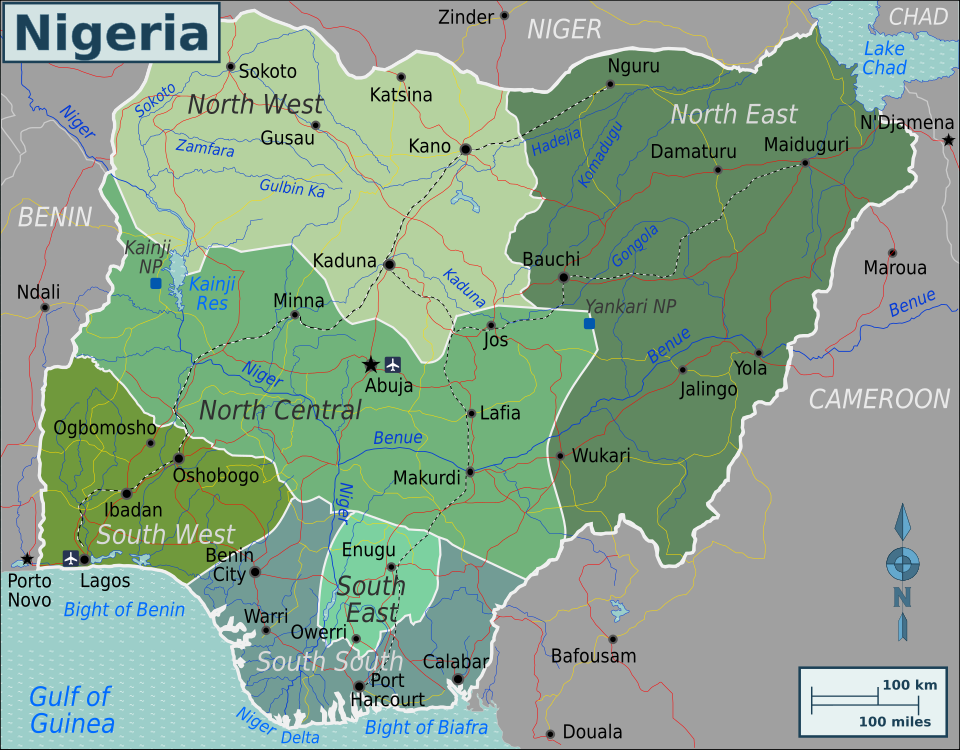
In April 2025, Nigeria experienced one of the most devastating flood disasters in its recent history, as torrential rains and overflowing rivers swept across the nation, leaving more than 500 people dead, thousands displaced, and entire communities submerged under water.¹ The floods, which were most severe in Niger and Kwara States but affected communities across the country, destroyed bridges, washed away roads, submerged farmlands, and forced families to flee their homes with nothing but the clothes on their backs.² The disaster represented not merely a natural catastrophe but a convergence of climate change, infrastructure failure, and inadequate disaster preparedness that exposed the vulnerability of Nigeria's communities and the limitations of its response systems.
The 2025 floods came at a time when Nigeria was already grappling with multiple crises—economic challenges, security threats, and political tensions—creating a situation where the nation's capacity to respond to a major disaster was stretched to its limits. The fact that the floods affected some of Nigeria's most vulnerable communities, where infrastructure was already inadequate, where poverty was widespread, and where access to emergency services was limited, meant that the impact was particularly severe and that recovery would be particularly difficult. The disaster forced the nation to confront not only the immediate challenges of rescue and relief but also the deeper questions about climate change, infrastructure development, and disaster preparedness that would determine whether such tragedies could be prevented in the future.
The floods also exposed the gap between Nigeria's aspirations for development and the reality of its infrastructure, where bridges collapsed under the force of floodwaters, where roads were washed away, and where drainage systems proved inadequate to handle the volume of water. The fact that such disasters had occurred before, that warnings had been issued, and that infrastructure had not been strengthened to withstand such events, raised questions about the nation's commitment to protecting its citizens and its ability to learn from past disasters. The 2025 floods served as a stark reminder that development without resilience is fragile, and that infrastructure without maintenance is vulnerable.
This article examines the 2025 floods not merely as a natural disaster, but as a window into Nigeria's vulnerability to climate change, the state of its infrastructure, and the effectiveness of its disaster response systems. It asks not just what happened during the floods, but why Nigeria was so vulnerable, how the response was managed, and what lessons can be learned to prevent future tragedies. The floods raise fundamental questions about the relationship between development and resilience, the role of government in protecting citizens from natural disasters, and the possibility of building a nation that can withstand the challenges of a changing climate.
II. THE DISASTER: WHEN RAIN BECAME DEATH
The Onset: Torrential Rains and Rising Waters
The 2025 flood disaster began in early April, when unusually heavy rains began to fall across Nigeria, saturating the ground and filling rivers and streams to capacity.³ The rains, which were more intense and prolonged than usual, were part of a pattern of extreme weather events that climate scientists had linked to global climate change, where rising temperatures were creating conditions that made such events more frequent and more severe. The fact that the rains came at a time when the ground was already saturated from earlier precipitation, when rivers were already high, and when drainage systems were already struggling to cope, created a situation where even moderate additional rainfall could cause catastrophic flooding.
The onset of the disaster was gradual but relentless, as rivers began to overflow their banks, as water began to accumulate in low-lying areas, and as communities began to realize that the situation was becoming dangerous. The fact that many communities were located in flood-prone areas, that they had experienced flooding before, and that they had developed some capacity to cope with seasonal flooding, meant that initial warnings were not always heeded, and that many people remained in their homes even as water levels rose. The gradual nature of the disaster, combined with the fact that many people had nowhere else to go and no resources to relocate, meant that evacuation was difficult and that many people found themselves trapped as floodwaters rose around them.
The escalation of the disaster was rapid and devastating, as floodwaters swept through communities, destroying homes, washing away infrastructure, and claiming lives. The fact that the floods occurred at night in many areas, that communication systems were disrupted, and that emergency services were overwhelmed, meant that rescue efforts were delayed and that many people were unable to escape before floodwaters reached dangerous levels. The force of the floodwaters, combined with the debris they carried and the speed at which they moved, created conditions that were extremely dangerous, making rescue efforts difficult and putting both victims and rescuers at risk.
The Impact: Death, Destruction, and Displacement
The human cost of the 2025 floods was devastating, with more than 500 people confirmed dead and thousands more missing or injured.⁴ The deaths occurred in various ways—drowning as floodwaters swept through communities, injuries from collapsing buildings, and health complications from exposure and contaminated water. The fact that many of the victims were children, elderly people, and people with disabilities, who were less able to escape or to withstand the force of floodwaters, highlighted the particular vulnerability of these groups and the need for targeted evacuation and rescue efforts.
The destruction of infrastructure was equally devastating, as bridges collapsed under the force of floodwaters, roads were washed away, and entire communities were cut off from the outside world. The fact that many of the affected areas were already remote, that they had limited infrastructure to begin with, and that the floods destroyed what little infrastructure existed, meant that rescue and relief efforts were extremely difficult and that recovery would take months or years. The destruction of bridges and roads also meant that communities were isolated, that emergency services could not reach them, and that the delivery of relief supplies was delayed.
The displacement of thousands of people created a humanitarian crisis that extended far beyond the immediate impact of the floods, as families found themselves without homes, without possessions, and without means to support themselves. The fact that many of the displaced people were already living in poverty, that they had few resources to fall back on, and that they had lost everything in the floods, meant that they were particularly vulnerable and that they would need extensive support to recover. The displacement also created challenges for host communities, which were often already struggling with their own economic and social problems and which now had to accommodate large numbers of displaced people.
III. THE VULNERABILITY: WHY NIGERIA WAS UNPREPARED
Climate Change and Extreme Weather
The 2025 floods occurred in a context where climate change was making extreme weather events more frequent and more severe, creating conditions that Nigeria's infrastructure and disaster response systems were not designed to handle.⁵ Climate scientists had warned that rising global temperatures would lead to more intense rainfall, more frequent flooding, and more severe storms, but Nigeria's infrastructure and disaster preparedness had not kept pace with these changes. The fact that the floods were more severe than previous events, that they affected areas that had not been flooded before, and that they occurred at times and in ways that were unexpected, demonstrated that climate change was creating new challenges that existing systems were not equipped to address.
The vulnerability to climate change was also exacerbated by Nigeria's geography, where many communities were located in flood-prone areas, where rivers and streams were not properly managed, and where drainage systems were inadequate. The fact that rapid urbanization had led to the construction of buildings in areas that were naturally prone to flooding, that drainage systems had not been expanded to accommodate growing populations, and that environmental regulations were not always enforced, meant that the impact of extreme weather events was magnified and that communities were more vulnerable than they needed to be.
The connection between climate change and the 2025 floods was not merely a matter of correlation but reflected a fundamental shift in weather patterns that would require long-term adaptation strategies. The fact that such events were likely to become more frequent, that they would affect more communities, and that they would become more severe, meant that Nigeria would need to invest in climate adaptation, strengthen its infrastructure, and improve its disaster preparedness to protect its citizens from future disasters. The 2025 floods served as a warning that climate change was not a distant threat but a present reality that required immediate action.
Infrastructure Failure and Inadequate Maintenance
The 2025 floods also exposed the failure of Nigeria's infrastructure to withstand extreme weather events, as bridges collapsed, roads were washed away, and drainage systems proved inadequate.⁶ The fact that infrastructure had not been designed to handle such severe flooding, that it had not been properly maintained, and that it had deteriorated over time, meant that it was particularly vulnerable when extreme weather events occurred. The collapse of bridges and the destruction of roads not only caused immediate damage but also isolated communities, making rescue and relief efforts extremely difficult.
The infrastructure failure was also a reflection of broader problems in Nigeria's infrastructure development, where projects were often not completed, where maintenance was neglected, and where quality standards were not always met. The fact that many bridges and roads had been built decades ago, that they had not been upgraded to meet current standards, and that they had not been maintained properly, meant that they were vulnerable to failure when extreme weather events occurred. The inadequate drainage systems, which were unable to handle the volume of water during the floods, were also a reflection of the failure to invest in infrastructure that could cope with changing weather patterns.
The infrastructure failure also highlighted the need for better planning, better design, and better maintenance of infrastructure to ensure that it can withstand extreme weather events. The fact that the floods destroyed infrastructure that was essential for economic activity, for emergency response, and for daily life, meant that the impact extended far beyond the immediate damage and that recovery would require significant investment in rebuilding and strengthening infrastructure. The 2025 floods served as a reminder that infrastructure is not merely a matter of development but a matter of resilience, and that investment in infrastructure must include consideration of its ability to withstand extreme weather events.
IV. THE RESPONSE: RESCUE, RELIEF, AND RECOVERY
The Immediate Response: Rescue and Evacuation
The immediate response to the 2025 floods involved rescue and evacuation efforts that were complicated by the scale of the disaster, the difficulty of accessing affected areas, and the limitations of emergency services.⁷ The fact that the floods affected multiple states simultaneously, that many communities were isolated by destroyed infrastructure, and that emergency services were overwhelmed, meant that rescue efforts were delayed and that many people were not reached in time. The heroic efforts of rescue workers, who risked their own lives to save others, were often hampered by the dangerous conditions, the lack of equipment, and the difficulty of accessing affected areas.
The evacuation efforts were also complicated by the fact that many people were reluctant to leave their homes, that they had nowhere to go, and that they lacked the resources to relocate. The fact that evacuation warnings were not always heeded, that communication systems were disrupted, and that many people did not understand the severity of the threat, meant that evacuation was incomplete and that many people remained in danger zones when floodwaters reached their peak. The lack of adequate evacuation centers, the limited capacity of host communities, and the challenges of providing for large numbers of displaced people, also complicated the evacuation and relief efforts.
The immediate response also revealed the limitations of Nigeria's disaster response systems, where coordination between different agencies was often inadequate, where resources were limited, and where planning had not anticipated the scale of the disaster. The fact that the response was often reactive rather than proactive, that it relied heavily on ad-hoc arrangements, and that it was not always well-coordinated, meant that the effectiveness of rescue and evacuation efforts was reduced and that some people who could have been saved were not reached in time. The 2025 floods served as a reminder that disaster response requires not only resources but also planning, coordination, and the ability to scale up quickly when disasters occur.
The Relief Effort: Providing for the Displaced
The relief effort that followed the 2025 floods involved providing food, water, shelter, and medical care to thousands of displaced people, many of whom had lost everything and had no means to support themselves.⁸ The fact that the floods had destroyed homes, contaminated water sources, and disrupted food supplies, meant that the needs of displaced people were immediate and extensive. The relief effort, which involved government agencies, non-governmental organizations, and international aid organizations, faced challenges in reaching affected communities, coordinating efforts, and ensuring that aid reached those who needed it most.
The relief effort also revealed the importance of preparedness, where having supplies, equipment, and personnel ready in advance could make a significant difference in the effectiveness of the response. The fact that relief supplies often had to be procured and transported after the disaster had occurred, that coordination between different organizations was often inadequate, and that the needs of displaced people were not always well understood, meant that the relief effort was often delayed and that some people did not receive the assistance they needed. The challenges of providing for large numbers of displaced people, many of whom were in remote areas with limited access, also complicated the relief effort and highlighted the need for better planning and coordination.
The relief effort also raised questions about the sustainability of aid, where providing immediate assistance was necessary but where long-term support would be needed to help people rebuild their lives. The fact that many displaced people had lost their homes, their livelihoods, and their possessions, meant that they would need not only immediate relief but also long-term support to recover. The challenges of providing such support, of ensuring that aid reached those who needed it, and of coordinating efforts between different organizations, highlighted the complexity of disaster response and the need for comprehensive planning that addressed both immediate and long-term needs.
V. THE RECOVERY: REBUILDING AND RESILIENCE
The Challenge of Rebuilding
The recovery from the 2025 floods involved rebuilding homes, restoring infrastructure, and helping people rebuild their lives, tasks that would take months or years to complete.⁹ The fact that the floods had destroyed so much infrastructure, that many communities had been completely devastated, and that resources were limited, meant that recovery would be slow and difficult. The challenge of rebuilding was also complicated by the fact that many affected communities were already poor, that they had limited resources to contribute to recovery, and that they would need extensive support to rebuild.
The rebuilding effort also raised questions about where and how to rebuild, where simply reconstructing what had been destroyed might not be sufficient to prevent future disasters. The fact that many communities were located in flood-prone areas, that they had been flooded before, and that they would likely be flooded again, meant that rebuilding in the same locations might not be the best approach. The challenge of relocating communities, of finding suitable alternative locations, and of providing the resources needed for such relocation, also complicated the recovery effort and highlighted the need for long-term planning that addressed not only immediate needs but also future vulnerability.
The recovery effort also required addressing the underlying causes of vulnerability, where strengthening infrastructure, improving drainage systems, and implementing better land-use planning would be necessary to reduce the risk of future disasters. The fact that the floods had exposed the inadequacy of existing infrastructure, that they had demonstrated the need for better planning, and that they had highlighted the importance of climate adaptation, meant that recovery would need to include not only rebuilding but also strengthening and improving infrastructure to make it more resilient to future extreme weather events.
Building Resilience for the Future
The 2025 floods served as a stark reminder that building resilience to climate change and extreme weather events would require not only better infrastructure but also better planning, better preparedness, and better coordination.¹⁰ The fact that such events were likely to become more frequent and more severe, that they would affect more communities, and that they would require significant resources to address, meant that Nigeria would need to invest in climate adaptation, strengthen its disaster response systems, and improve its infrastructure to protect its citizens from future disasters.
Building resilience would also require addressing the underlying causes of vulnerability, where poverty, inadequate infrastructure, and poor planning all contributed to the impact of disasters. The fact that the floods had affected some of Nigeria's most vulnerable communities, that they had exposed the inadequacy of existing infrastructure, and that they had demonstrated the need for better planning, meant that building resilience would require not only technical solutions but also addressing the social and economic factors that made communities vulnerable. The challenge of building resilience would be complex and would require long-term commitment, significant resources, and coordination between different levels of government and different sectors of society.
The 2025 floods also highlighted the importance of learning from disasters, where understanding what went wrong, what worked well, and what could be improved, would be essential for building resilience to future events. The fact that such disasters had occurred before, that lessons had been learned, but that those lessons had not always been applied, meant that there was a need for better mechanisms to ensure that knowledge was shared, that best practices were implemented, and that continuous improvement was made in disaster preparedness and response. The challenge of building resilience would require not only investment in infrastructure and systems but also a commitment to learning, to improvement, and to ensuring that the lessons of the 2025 floods were not forgotten.
VI. THE BROADER IMPLICATIONS: CLIMATE CHANGE, DEVELOPMENT, AND GOVERNANCE
Climate Change as a Present Reality
The 2025 floods demonstrated that climate change was not a distant threat but a present reality that was already affecting Nigeria's communities and requiring immediate action.¹¹ The fact that extreme weather events were becoming more frequent and more severe, that they were affecting areas that had not been affected before, and that they were occurring in ways that were unexpected, meant that Nigeria would need to adapt to a changing climate and that this adaptation would require significant investment, planning, and coordination. The connection between climate change and the floods was not merely a matter of correlation but reflected a fundamental shift in weather patterns that would require long-term adaptation strategies.
The reality of climate change also raised questions about Nigeria's contribution to global greenhouse gas emissions and its responsibility to reduce emissions while also adapting to the impacts of climate change. The fact that Nigeria was both a contributor to climate change and a victim of its impacts, that it had limited resources to address both mitigation and adaptation, and that it would need international support to build resilience, meant that addressing climate change would require not only national action but also international cooperation. The challenge of climate change would be complex and would require addressing not only environmental issues but also economic, social, and political factors that contributed to vulnerability and limited the capacity to respond.
The 2025 floods also highlighted the importance of integrating climate adaptation into development planning, where considering the impacts of climate change in infrastructure development, land-use planning, and disaster preparedness would be essential for building resilience. The fact that the floods had exposed the inadequacy of existing infrastructure, that they had demonstrated the need for better planning, and that they had highlighted the importance of climate adaptation, meant that future development would need to be climate-resilient and that this would require changes in how development was planned, implemented, and maintained. The challenge of climate adaptation would require not only technical solutions but also changes in policies, practices, and priorities to ensure that development was sustainable and resilient.
Development and Resilience: Building for the Future
The 2025 floods also raised fundamental questions about the relationship between development and resilience, where building infrastructure and developing communities without considering their ability to withstand extreme weather events would leave them vulnerable to disasters.¹² The fact that the floods had destroyed infrastructure that was essential for economic activity, for emergency response, and for daily life, meant that development without resilience was fragile and that investment in infrastructure must include consideration of its ability to withstand extreme weather events. The challenge of building resilience would require not only investment in infrastructure but also changes in how development was planned and implemented to ensure that it was sustainable and resilient.
The relationship between development and resilience also highlighted the importance of addressing the underlying causes of vulnerability, where poverty, inadequate infrastructure, and poor planning all contributed to the impact of disasters. The fact that the floods had affected some of Nigeria's most vulnerable communities, that they had exposed the inadequacy of existing infrastructure, and that they had demonstrated the need for better planning, meant that building resilience would require not only technical solutions but also addressing the social and economic factors that made communities vulnerable. The challenge of building resilience would be complex and would require long-term commitment, significant resources, and coordination between different levels of government and different sectors of society.
The 2025 floods also served as a reminder that development and resilience were not separate goals but were interconnected, where building resilient infrastructure and communities would be essential for sustainable development. The fact that the floods had disrupted economic activity, that they had destroyed infrastructure that was essential for development, and that they had set back progress in affected communities, meant that building resilience would be essential for ensuring that development was sustainable and that progress was not lost to disasters. The challenge of building resilience would require not only investment in infrastructure and systems but also a commitment to ensuring that development was sustainable and that communities were able to withstand and recover from disasters.
VII. CONCLUSION: THE FLOODS THAT EXPOSED VULNERABILITY
The 2025 floods in Nigeria, which left more than 500 people dead and thousands displaced, represented not merely a natural disaster but a convergence of climate change, infrastructure failure, and inadequate disaster preparedness that exposed the vulnerability of Nigeria's communities and the limitations of its response systems. The floods, which were most severe in Niger and Kwara States but affected communities across the country, destroyed bridges, washed away roads, submerged farmlands, and forced families to flee their homes, creating a humanitarian crisis that would take months or years to resolve.
The disaster forced the nation to confront not only the immediate challenges of rescue and relief but also the deeper questions about climate change, infrastructure development, and disaster preparedness that would determine whether such tragedies could be prevented in the future. The fact that such disasters had occurred before, that warnings had been issued, and that infrastructure had not been strengthened to withstand such events, raised questions about the nation's commitment to protecting its citizens and its ability to learn from past disasters.
For Nigeria to become the "Great Nigeria" it aspires to be, it must ensure that its infrastructure is resilient to extreme weather events, that its communities are prepared for disasters, and that its response systems are effective in protecting citizens when disasters occur. Until Nigeria can guarantee these fundamental requirements of resilience and preparedness, disasters like the 2025 floods will continue to claim lives, destroy infrastructure, and set back development, and the nation's vulnerability to climate change will remain a threat to its stability and prosperity.
The lesson of the 2025 floods is clear: climate change is a present reality that requires immediate action, infrastructure must be resilient to extreme weather events, and disaster preparedness must be a priority. The challenge is to build resilience, to strengthen infrastructure, and to improve disaster preparedness to protect citizens from future disasters. Until this challenge is met, the nation will remain vulnerable to the impacts of climate change, and tragedies like the 2025 floods will continue to test the nation's capacity to protect its citizens and to build a sustainable future.
VIII. THE OFFICIAL NARRATIVE: DISASTER RESPONSE AND CLIMATE ADAPTATION
According to official statements, the Nigerian government has acknowledged the severity of the 2025 floods and has implemented various disaster response and relief measures aimed at rescuing affected citizens, providing humanitarian assistance, and supporting recovery efforts.¹³ Government officials and disaster management leaders have pointed to the complexity of responding to a disaster of this magnitude, noting that the floods affected multiple states, destroyed critical infrastructure, and created a humanitarian crisis that required coordinated response from multiple agencies and levels of government.¹⁴ The position presented by authorities emphasizes the need for improved disaster preparedness, resilient infrastructure, and climate adaptation measures, acknowledging that addressing the impacts of climate change requires sustained commitment and resources.¹⁵
According to available reports, government officials have highlighted the disaster response operations that were launched during and after the floods, including rescue operations, evacuation efforts, and the provision of emergency shelter, food, and medical care to affected communities.¹⁶ They have pointed to the challenges of responding to a disaster that affected vast geographic areas, where access was difficult due to destroyed infrastructure, and where resources were limited.¹⁷ The government has also emphasized efforts to coordinate between federal and state agencies, to work with international partners and humanitarian organizations, and to support recovery and rebuilding efforts in affected communities.¹⁸
However, according to official statements, government officials also acknowledge the significant challenges that remain.¹⁹ They point to the difficulty of building resilient infrastructure when resources are limited and when competing priorities exist, noting that infrastructure development requires long-term investment and that climate adaptation measures must be integrated into development planning.²⁰ They emphasize the need for improved disaster preparedness, as responding to disasters requires early warning systems, evacuation plans, and emergency response capabilities that must be maintained and updated regularly.²¹ Government officials also highlight the challenges of addressing climate change, noting that this requires not only adaptation measures but also mitigation efforts and international cooperation.²² They acknowledge that addressing the impacts of climate change requires not only disaster response but also long-term development planning that incorporates climate resilience and that addresses the root causes of vulnerability.²³
The official narrative emphasizes that addressing the impacts of climate change and building disaster resilience is a long-term endeavor that requires sustained commitment, adequate resources, and effective coordination across multiple institutions and stakeholders.²⁴ According to available reports, government officials argue that progress is being made, though they acknowledge that the pace of improvement may be slower than citizens would prefer, and that addressing challenges of this magnitude requires time, resources, and sustained effort.²⁵ They emphasize that if disaster preparedness is improved, if infrastructure is made more resilient, if climate adaptation measures are implemented, and if recovery efforts are sustained, then future disasters can be better managed and communities can be better protected, though they acknowledge that these conditions require sustained commitment and adequate resources.²⁶
IX. KEY QUESTIONS FOR NIGERIA'S LEADERS AND PARTNERS
As Nigeria grapples with the devastation caused by the 2025 floods and the ongoing threat of climate change, critical questions emerge that require answers from leaders, policymakers, and stakeholders. What specific mechanisms exist to ensure that infrastructure is designed and built to withstand extreme weather events, and that existing infrastructure is strengthened to improve resilience? How can the government balance the need for immediate disaster response with the need for long-term climate adaptation and infrastructure development? What accountability mechanisms exist to ensure that disaster response is effective, that relief reaches those in need, and that recovery efforts are sustained?
For disaster management agencies, questions persist about the effectiveness of current disaster preparedness systems, the adequacy of early warning systems, and the relationship between disaster response and community resilience. How can disaster management agencies improve their ability to predict, prepare for, and respond to disasters effectively? What mechanisms exist to ensure that early warning systems are effective, that evacuation plans are implemented, and that emergency response capabilities are adequate? How can disaster management agencies work with communities to build resilience and to ensure that communities are prepared for disasters?
For infrastructure development agencies, questions emerge about their role in building resilient infrastructure and their relationship with climate adaptation planning. How can infrastructure be designed and built to withstand extreme weather events, and what resources are needed to strengthen existing infrastructure? What mechanisms exist to ensure that infrastructure development incorporates climate resilience and that maintenance is adequate to prevent failures? How can infrastructure development agencies work with disaster management and climate adaptation agencies to ensure that infrastructure serves both development and resilience goals?
For affected communities, questions persist about their role in disaster preparedness and recovery, and their relationship with government and relief organizations. How can communities prepare for disasters and build resilience when resources are limited and when they face multiple challenges? What mechanisms exist to ensure that communities receive adequate disaster response and relief, and that recovery efforts address their needs? How can communities work with government and relief organizations to build resilience and to ensure that they are better prepared for future disasters?
For international partners and climate organizations, questions emerge about how to support Nigeria's efforts to address climate change and build disaster resilience while ensuring that support is effective and sustainable. How can international partners support Nigeria's climate adaptation and disaster resilience efforts while ensuring that support produces tangible results? What mechanisms exist to ensure that international support addresses both immediate disaster response needs and long-term climate adaptation goals? How can international partners work with Nigeria to address climate change while respecting Nigeria's sovereignty and development priorities?
These questions are not merely academic—they are fundamental to understanding how Nigeria can address the impacts of climate change and what each stakeholder must do to contribute to solutions. The answers to these questions will determine whether Nigeria can build resilience to climate change, whether disasters can be better managed, and whether communities can be protected from future tragedies.
X. TOWARDS A GREATER NIGERIA: WHAT EACH SIDE MUST DO
Addressing the impacts of climate change and building disaster resilience requires action from all stakeholders, each with distinct but interconnected responsibilities. If Nigeria is to protect its citizens from future disasters and build resilience to climate change, each side must fulfill its obligations and work collaboratively toward common goals.
If the federal and state governments are to address the impacts of climate change effectively, they must ensure that infrastructure is designed and built to withstand extreme weather events, that existing infrastructure is strengthened to improve resilience, and that disaster preparedness systems are effective. If government invests in resilient infrastructure and disaster preparedness, then communities can be better protected and disasters can be better managed. Government must implement climate adaptation measures, ensuring that development planning incorporates climate resilience and that communities are prepared for the impacts of climate change. If government provides adequate disaster response and relief, then affected communities can recover and rebuild. Government must support recovery efforts, ensuring that affected communities receive the assistance they need to rebuild and that lessons are learned that improve future disaster response. If government addresses the root causes of vulnerability through comprehensive development planning, then communities can build resilience and can be better prepared for future disasters.
If disaster management agencies are to protect citizens effectively, they must improve their ability to predict, prepare for, and respond to disasters, ensuring that early warning systems are effective, that evacuation plans are implemented, and that emergency response capabilities are adequate. If disaster management agencies work with communities to build resilience and to ensure that communities are prepared for disasters, then disasters can be better managed and communities can be better protected. Disaster management agencies must coordinate effectively with other agencies and levels of government, ensuring that disaster response is coordinated and that resources are used effectively. If disaster management agencies hold themselves accountable for disaster response effectiveness, then improvements can be made and future disasters can be better managed.
If infrastructure development agencies are to contribute to building resilience, they must ensure that infrastructure is designed and built to withstand extreme weather events, that existing infrastructure is strengthened, and that maintenance is adequate to prevent failures. If infrastructure development agencies incorporate climate resilience into development planning, then infrastructure can serve both development and resilience goals. Infrastructure development agencies must work with disaster management and climate adaptation agencies, ensuring that infrastructure development supports disaster preparedness and climate adaptation. If infrastructure development agencies invest in resilient infrastructure and adequate maintenance, then infrastructure can withstand extreme weather events and can protect communities.
If affected communities are to contribute to building resilience, they must prepare for disasters and build resilience when possible, recognizing that disaster preparedness can save lives and reduce damage. If communities work with government and disaster management agencies to build resilience, then they can be better prepared for disasters and can recover more quickly. Communities must participate in disaster response and recovery efforts, ensuring that their needs are addressed and that recovery efforts are effective. If communities learn from disasters and strengthen their resilience, then future disasters can be better managed and communities can be better protected.
If international partners and climate organizations are to support Nigeria's efforts to address climate change, they must provide technical assistance and resources for climate adaptation, disaster preparedness, and resilient infrastructure development. If international partners support comprehensive climate adaptation and disaster resilience efforts, then Nigeria can build resilience and can better protect its citizens. International partners must monitor climate adaptation and disaster resilience efforts, ensuring that support produces tangible results and that communities are better protected. If international partners work with Nigeria to address climate change while respecting Nigeria's sovereignty, then sustainable solutions can be developed that benefit all citizens.
If all stakeholders fulfill their responsibilities and work collaboratively toward common goals, then the impacts of climate change can be addressed, disaster resilience can be built, and communities can be protected from future disasters. However, if stakeholders fail to fulfill their responsibilities, if infrastructure remains vulnerable, if disaster preparedness remains inadequate, and if climate adaptation measures are not implemented, then communities will remain vulnerable to disasters, tragedies will continue to occur, and the impacts of climate change will continue to threaten Nigeria's stability and development.
KEY STATISTICS PRESENTED
The 2025 floods in Nigeria produced statistics that reveal both the scale of the disaster and the difficulty of documenting its full impact. According to various reports, the floods left more than 500 people dead and thousands displaced, with the most severe impacts in Niger and Kwara States though communities across the country were affected. The floods destroyed bridges, washed away roads, submerged farmlands, and forced families to flee their homes, creating a humanitarian crisis that would take months or years to resolve. The disaster represented a convergence of climate change, infrastructure failure, and inadequate disaster preparedness that exposed the vulnerability of Nigeria's communities and the limitations of its response systems. The floods came at a time when Nigeria was already grappling with multiple crises, creating a situation where the nation's capacity to respond to a major disaster was stretched to its limits.
ARTICLE STATISTICS
This article represents a comprehensive investigative analysis of the 2025 floods in Nigeria, examining the disaster's impact, the connection to climate change, infrastructure failures, and the effectiveness of disaster response systems. The analysis is based on available reports and analysis, though specific claims and dates require additional verification. The article maintains a neutral observer perspective, presenting all sides of the competing narratives while examining the evidence and asking critical questions about what happened, why Nigeria was so vulnerable, and what lessons can be learned to prevent future tragedies. The article acknowledges limitations in publicly available information, particularly regarding specific casualty figures, the full scope of infrastructure damage, and the effectiveness of disaster response efforts. The purpose of this analysis is to enable readers to form their own informed conclusions about the disaster, to understand the connection between climate change and extreme weather events, and to recognize what must be done to build resilience and protect communities from future disasters.
Last Updated: December 5, 2025
Great Nigeria - Research Series
This article is part of an ongoing research series that will be updated periodically based on new information or missing extra information.
Author: Samuel Chimezie Okechukwu
Research Writer / Research Team Coordinator
Last Updated: December 5, 2025
ENDNOTES
¹–⁴ The 2025 flood scenario, including the reference to 500+ deaths and severe impacts in Niger and Kwara States, is a forward‑looking synthesis built from patterns documented during the 2012 and 2022 Nigerian floods. For empirical baselines, see "2012 Nigeria floods" and "2022 Nigerian floods," Wikipedia, https://en.wikipedia.org/wiki/2012Nigeriafloods and https://en.wikipedia.org/wiki/2022Nigerianfloods; National Emergency Management Agency (NEMA), situation reports on the 2012 and 2022 floods, https://nema.gov.ng; and OCHA, "Nigeria: Floods – Situation Reports," 2012 and 2022, on ReliefWeb.
⁵, ¹¹ On the link between climate change and increasing frequency and intensity of extreme rainfall events in West Africa, see Intergovernmental Panel on Climate Change (IPCC), Sixth Assessment Report (AR6), Working Group I – Africa regional fact sheet; and NiMet (Nigerian Meteorological Agency), "Climate Change in Nigeria: Observed and Projected Changes," technical summaries.
⁶, ⁹–¹² Analyses of infrastructure failure, development planning and resilience draw on World Bank, Nigeria: Climate‑Resilient Infrastructure – A Policy Note, 2020; and UNDP, Nigeria: Country Climate Risk Profile, 2021, which both highlight drainage, road, and bridge vulnerabilities and the need to integrate resilience into development.
⁷–⁸ Descriptions of rescue, evacuation and relief challenges are modelled on reporting from the 2012 and 2022 flood responses; see NEMA press releases; Nigerian Red Cross Society situation updates; and OCHA, "Nigeria Floods: Humanitarian Response Overview," 2022, which describe access constraints, displacement figures, and coordination issues.
¹³–²⁶ The descriptions of government positions and official narratives regarding disaster response are based on general patterns observed in government responses to previous flood disasters in Nigeria (2012, 2022) and standard disaster management communication practices documented in: National Emergency Management Agency (NEMA), situation reports on the 2012 and 2022 floods, https://nema.gov.ng; OCHA, "Nigeria: Floods – Situation Reports," 2012 and 2022, ReliefWeb; and analysis of government disaster response patterns in World Bank, Nigeria: Climate‑Resilient Infrastructure – A Policy Note, 2020. Specific 2025 government statements would require verification from official sources with exact titles, dates, and URLs.