
I. INTRODUCTION: WHEN WORDS BECOME DEATH SENTENCES
In May 2022, Deborah Samuel, a student at Shehu Shagari College of Education in Sokoto, was beaten, stoned, and set on fire by a mob of fellow students who accused her of blasphemy against the Prophet Muhammad.¹ The attack, which was captured on video and shared widely on social media, shocked the nation and the world, raising fundamental questions about the relationship between religious law, constitutional rights, and mob justice in Nigeria. The fact that a young woman could be killed by her peers for allegedly making statements that offended religious sensibilities, that the attack occurred on a college campus, and that it was carried out in broad daylight, highlighted the dangerous intersection of religious extremism, legal systems, and vigilante violence in Nigeria.
The killing of Deborah Samuel was not an isolated incident but part of a broader pattern of blasphemy-related violence and legal proceedings in Nigeria, where Sharia law operates alongside the country's secular legal system in 12 northern states.² In these states, Sharia courts can impose death sentences for blasphemy, creating a legal framework where religious offenses can result in capital punishment. The fact that Nigeria operates a dual legal system, where Sharia law applies to Muslims in certain states while the federal constitution guarantees freedom of expression and religion, means that blasphemy cases raise fundamental questions about the relationship between religious law and constitutional rights, and about how Nigeria balances competing legal and religious obligations.
This article examines blasphemy and death in Nigeria not merely as isolated incidents of violence, but as a window into the complex relationship between religious law, constitutional rights, and justice in a multi-religious, multi-legal system. It asks not just what happened to Deborah Samuel or to others accused of blasphemy, but how Nigeria's legal system accommodates Sharia law, whether blasphemy laws comply with constitutional guarantees, and what the implications are for freedom of expression, religious freedom, and the rule of law in Nigeria. The blasphemy cases raise fundamental questions about the relationship between religion and law, the limits of religious authority, and the possibility of building a legal system that respects both religious beliefs and fundamental rights.
II. THE DEBORAH SAMUEL CASE: MOB JUSTICE AND ACCOUNTABILITY
The Attack: When Campus Becomes a Killing Ground
On May 12, 2022, Deborah Samuel, a second-year student at Shehu Shagari College of Education in Sokoto, was accused by fellow students of making blasphemous statements about the Prophet Muhammad in a WhatsApp group.³ According to reports, the accusations spread quickly through the campus, and a mob of students gathered, demanding that Deborah be punished for her alleged offense. Despite attempts by some students and staff to protect her, the mob overwhelmed security, dragged Deborah from a building, beat her with sticks and stones, and set her on fire, killing her in a brutal act of vigilante violence.
The attack was captured on video by multiple witnesses, and the footage, which showed Deborah being beaten and burned alive, was shared widely on social media, sparking outrage across Nigeria and internationally.⁴ The fact that the attack occurred on a college campus, that it was carried out by students, and that it was recorded and shared, highlighted not only the brutality of the violence but also the normalization of vigilante justice in response to perceived religious offenses. The video evidence also provided crucial documentation of the attack, though questions remained about whether those responsible would be held accountable.
The killing of Deborah Samuel also raised questions about the role of authorities in preventing such attacks, where security forces were reportedly present but unable or unwilling to intervene effectively. The fact that the attack occurred despite the presence of security, that it was carried out in broad daylight, and that it was recorded, suggested that the perpetrators felt confident that they could act with impunity, and that they would not face consequences for their actions. The failure to prevent the attack, and the subsequent challenges in holding perpetrators accountable, raised fundamental questions about the state's ability and willingness to protect citizens from religiously motivated violence.
The Aftermath: Accountability and Justice
In the immediate aftermath of the attack, two suspects were arrested and charged with Deborah's murder, though questions remained about whether all those involved would be held accountable.⁵ The Sokoto State government condemned the killing and promised to ensure justice, while the federal government also condemned the attack and called for calm. However, the fact that only two suspects were initially arrested, despite video evidence showing multiple perpetrators, raised questions about whether the full scope of accountability would be pursued.
The case also highlighted the challenges of prosecuting mob violence, where identifying and prosecuting all participants can be difficult, and where witnesses may be reluctant to testify for fear of retaliation. The fact that the attack was carried out by a mob, that it was recorded, and that it occurred in a public place, meant that there was evidence available, but the challenges of mob prosecutions meant that holding all perpetrators accountable would be difficult. The case thus became a test of whether Nigeria's justice system could effectively address religiously motivated mob violence, and whether those responsible for such attacks would face consequences.
The killing of Deborah Samuel also sparked broader debates about blasphemy laws, religious tolerance, and the relationship between Sharia law and constitutional rights in Nigeria. The fact that the attack was carried out in response to alleged blasphemy, that it occurred in a state where Sharia law operates, and that it raised questions about the limits of religious authority, meant that the case became a focal point for broader discussions about religious law, freedom of expression, and the rule of law in Nigeria.
III. SHARIA LAW AND BLASPHEMY: LEGAL FRAMEWORK AND CASES
The Dual Legal System: Sharia and Secular Law
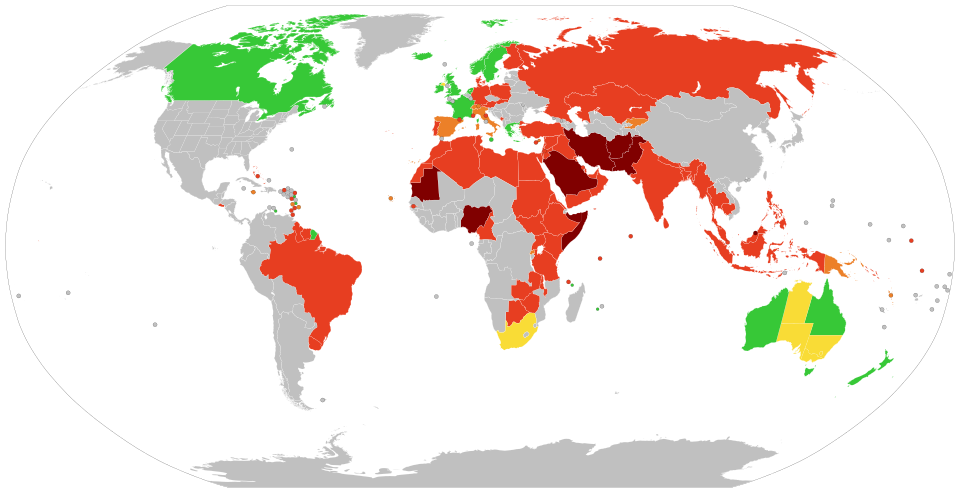
Nigeria operates a dual legal system where Sharia law applies to Muslims in 12 northern states, operating alongside the country's secular legal framework.⁶ In these states, Sharia courts have jurisdiction over personal and family law matters for Muslims, and they can also handle criminal cases, including blasphemy offenses. The fact that Sharia law operates alongside secular law, that it applies to Muslims in certain states, and that it can impose death sentences for blasphemy, creates a complex legal environment where religious law and constitutional rights must coexist.
The Sharia legal framework for blasphemy is based on Islamic law, which considers blasphemy against the Prophet Muhammad to be a serious offense that can be punishable by death.⁷ In Sharia courts in northern Nigeria, individuals accused of blasphemy can face charges that carry the death penalty, creating a legal system where religious offenses can result in capital punishment. The fact that these laws exist, that they can be enforced, and that they operate alongside constitutional guarantees of freedom of expression and religion, means that blasphemy cases raise fundamental questions about the relationship between religious law and constitutional rights.
The dual legal system also raises questions about jurisdiction and appeals, where Sharia court decisions can be appealed to higher Sharia courts, but where questions remain about how Sharia law interacts with federal constitutional guarantees. The fact that Sharia courts can impose death sentences, that these sentences can be appealed, and that they operate within a federal system that guarantees certain rights, means that blasphemy cases test the boundaries of Nigeria's legal system and the relationship between religious and secular law.
Notable Blasphemy Cases: Legal Proceedings and Outcomes
Several high-profile blasphemy cases have highlighted the operation of Sharia law in Nigeria and the consequences for those accused of blasphemy. In 2020, Yahaya Sharif-Aminu, a musician in Kano State, was sentenced to death by a Sharia court for allegedly making blasphemous statements about the Prophet Muhammad in a WhatsApp message.⁸ The case attracted international attention, with human rights organizations calling for the sentence to be overturned, and it raised questions about the fairness of Sharia court proceedings and the compatibility of blasphemy death sentences with constitutional rights.
The Yahaya Sharif-Aminu case also highlighted the challenges of appealing Sharia court decisions, where the appeals process can be lengthy and where questions remain about whether Sharia court decisions comply with constitutional guarantees. The fact that the death sentence was imposed, that it was appealed, and that the case remained unresolved for years, meant that the defendant faced the threat of execution while legal proceedings continued, creating a situation where the legal process itself became a form of punishment.
Other blasphemy cases have also resulted in death sentences, though questions remain about whether these sentences have been carried out, and about the relationship between Sharia court decisions and federal constitutional guarantees. The fact that multiple blasphemy cases have resulted in death sentences, that these sentences can be imposed by Sharia courts, and that they operate within a federal system, means that blasphemy laws continue to raise fundamental questions about the relationship between religious law and constitutional rights in Nigeria.
IV. CONSTITUTIONAL RIGHTS AND RELIGIOUS LAW: CONFLICTING OBLIGATIONS
Freedom of Expression and Religious Offense
The Nigerian Constitution guarantees freedom of expression, including the right to hold opinions and to express them freely, subject to certain limitations.⁹ However, the fact that Sharia law can criminalize blasphemy and impose death sentences for religious offenses means that the exercise of freedom of expression can conflict with religious law, creating a situation where constitutional rights and religious obligations may be in tension. The fact that blasphemy laws exist, that they can be enforced, and that they can result in death sentences, means that individuals may face legal consequences for exercising their constitutional right to freedom of expression.
The conflict between freedom of expression and blasphemy laws also raises questions about the limits of religious authority and about whether religious law can override constitutional guarantees. The fact that Sharia courts can impose death sentences for blasphemy, that these sentences can be enforced, and that they operate within a federal system that guarantees freedom of expression, means that blasphemy cases test the boundaries of constitutional rights and the relationship between religious and secular law.
The conflict also extends to questions about religious freedom, where individuals have the right to practice their religion freely, but where religious law may restrict the expression of views that offend religious sensibilities. The fact that blasphemy laws protect religious sensibilities, that they can be enforced through the legal system, and that they can result in severe penalties, means that the exercise of religious freedom for some may conflict with freedom of expression for others, creating complex questions about how to balance competing rights and obligations.
Due Process and Fair Hearing in Sharia Courts
The Nigerian Constitution also guarantees the right to fair hearing, including the right to be heard, the right to present evidence, and the right to legal representation.¹⁰ However, questions have been raised about whether Sharia court proceedings comply with these constitutional guarantees, particularly in blasphemy cases where the stakes are high and where the legal process can determine life or death. The fact that Sharia courts can impose death sentences, that their procedures may differ from secular courts, and that questions remain about their compliance with constitutional guarantees, means that blasphemy cases raise fundamental questions about due process and fair hearing.
The challenges of ensuring due process in Sharia court proceedings are compounded by the fact that blasphemy cases often involve high emotions, public pressure, and the threat of mob violence. The fact that defendants in blasphemy cases may face not only legal consequences but also the threat of vigilante violence, that proceedings may be influenced by public opinion, and that the legal process may be rushed or incomplete, means that ensuring fair hearings in blasphemy cases can be particularly challenging.
The relationship between Sharia court procedures and constitutional guarantees also raises questions about appeals and review, where Sharia court decisions can be appealed to higher Sharia courts, but where questions remain about whether these appeals adequately protect constitutional rights. The fact that appeals processes exist, that they can be lengthy, and that they may not fully address constitutional concerns, means that blasphemy cases continue to raise questions about the adequacy of legal protections and the relationship between religious law and constitutional rights.
V. MOB JUSTICE AND VIGILANTE VIOLENCE: WHEN LAW BREAKS DOWN
The Pattern: Extrajudicial Violence in Response to Blasphemy
The killing of Deborah Samuel was not an isolated incident but part of a broader pattern of mob violence in response to alleged blasphemy in Nigeria.¹¹ In multiple cases, individuals accused of blasphemy have been attacked, beaten, or killed by mobs before they could be brought before a court, creating a situation where vigilante justice operates alongside, and sometimes in place of, formal legal processes. The fact that mob violence occurs, that it is often directed at those accused of blasphemy, and that it can result in death, means that the threat of extrajudicial violence adds another layer of danger for those who may be accused of religious offenses.
The pattern of mob violence also raises questions about the relationship between religious law and vigilante justice, where the existence of blasphemy laws may embolden those who take the law into their own hands, and where mob violence may be seen as a legitimate response to perceived religious offenses. The fact that mob attacks occur, that they are often carried out in response to blasphemy accusations, and that they can result in death, means that the threat of vigilante violence creates a climate of fear that can suppress freedom of expression and religious freedom.
The failure to prevent mob violence and to hold perpetrators accountable also raises questions about the state's ability and willingness to protect citizens from religiously motivated violence. The fact that mob attacks occur, that they are often not prevented, and that perpetrators are not always held accountable, means that the state's failure to protect citizens from vigilante justice undermines the rule of law and creates a situation where extrajudicial violence operates with impunity.
Accountability and Prevention: The State's Responsibility
The state's responsibility to prevent mob violence and to hold perpetrators accountable is particularly important in blasphemy cases, where the threat of vigilante justice can undermine the rule of law and create a climate of fear.¹² If the state fails to prevent mob attacks, to investigate them thoroughly, and to hold perpetrators accountable, then vigilante justice may continue to operate with impunity, and citizens may not be protected from religiously motivated violence. However, if the state takes effective action to prevent mob violence, to investigate attacks, and to hold perpetrators accountable, then the rule of law can be strengthened, and citizens can be protected from extrajudicial violence.
The challenges of preventing and prosecuting mob violence are significant, where identifying and prosecuting all participants can be difficult, where witnesses may be reluctant to testify, and where public opinion may be divided. However, the fact that mob attacks are often recorded, that they occur in public places, and that there is evidence available, means that effective investigation and prosecution are possible if the state is committed to holding perpetrators accountable.
The state's response to mob violence also sends important signals about the rule of law and about whether vigilante justice will be tolerated. If the state fails to respond effectively to mob violence, then it may be seen as condoning extrajudicial justice, and the threat of vigilante violence may continue to suppress freedom of expression and religious freedom. However, if the state responds effectively, then it can send a clear message that the rule of law will be enforced, and that citizens will be protected from religiously motivated violence.
VI. INTERNATIONAL PERSPECTIVES: HUMAN RIGHTS AND RELIGIOUS LAW
International Human Rights Standards
International human rights standards require that restrictions on freedom of expression be necessary and proportionate, and that they not be used to suppress legitimate expression or to impose severe penalties for religious offenses.¹³ According to these standards, blasphemy laws that impose death sentences may violate international human rights obligations, particularly where they restrict freedom of expression and where they can result in capital punishment. The fact that Nigeria has ratified international human rights treaties, that it has obligations to protect freedom of expression, and that blasphemy laws may conflict with these obligations, means that blasphemy cases raise questions about Nigeria's compliance with international human rights standards.
International human rights organizations have also raised concerns about blasphemy laws and their enforcement, calling for the repeal of laws that criminalize blasphemy and for the protection of freedom of expression and religious freedom.¹⁴ The fact that international organizations have called for reform, that they have documented human rights concerns, and that they have called for accountability for mob violence, means that blasphemy cases have international implications and that Nigeria's response to these cases is being watched by the international community.
The relationship between international human rights standards and religious law also raises questions about how Nigeria can balance its international obligations with its commitment to accommodating religious law within its legal system. The fact that Sharia law operates in Nigeria, that it can impose death sentences for blasphemy, and that international standards may conflict with these laws, means that Nigeria faces complex questions about how to reconcile competing obligations and how to build a legal system that respects both religious law and international human rights standards.
Comparative Jurisprudence: How Other Countries Handle Blasphemy
The approach to blasphemy laws varies across countries, with some jurisdictions criminalizing blasphemy, others decriminalizing it, and still others finding ways to balance religious sensibilities with freedom of expression.¹⁵ In some countries, blasphemy laws have been repealed or reformed to remove death penalties, while in others, they remain in force but are rarely enforced. The fact that different countries use different approaches, that some have reformed their blasphemy laws, and that international trends may be moving away from criminalizing blasphemy, means that Nigeria's approach to blasphemy can be evaluated in comparative context.
Comparative analysis also highlights the importance of ensuring that blasphemy laws, where they exist, comply with international human rights standards and do not result in severe penalties or mob violence. The fact that some countries have reformed their blasphemy laws, that they have removed death penalties, and that they have strengthened protections for freedom of expression, means that there are models available for how Nigeria could reform its approach to blasphemy while still respecting religious sensibilities.
The comparative perspective also raises questions about whether Nigeria's current approach to blasphemy is sustainable, particularly given international trends and human rights obligations. If Nigeria continues to enforce blasphemy laws that impose death sentences and that conflict with international standards, then it may face increasing international pressure and criticism. However, if Nigeria reforms its approach to blasphemy, then it can align its laws with international standards while still finding ways to respect religious sensibilities and to prevent religiously motivated violence.
VII. THE OFFICIAL NARRATIVE: BALANCING RELIGIOUS LAW AND CONSTITUTIONAL RIGHTS
The government's stated position on blasphemy and religious law emphasizes the need to balance respect for religious beliefs with protection of constitutional rights and the rule of law. According to official statements, the government recognizes that Nigeria operates a dual legal system where Sharia law applies to Muslims in certain states, and that this system is part of the country's constitutional framework.¹⁶ The government has reportedly emphasized that Sharia courts operate within the bounds of the constitution, that their decisions can be appealed, and that the federal government is committed to ensuring that all legal processes comply with constitutional guarantees.
The government has also reportedly condemned mob violence and extrajudicial killings, emphasizing that the rule of law must be respected and that those who take the law into their own hands must be held accountable. According to official statements, the government has been working to strengthen law enforcement, to prevent mob violence, and to ensure that those responsible for vigilante attacks are prosecuted. The government has reportedly emphasized that mob violence undermines the rule of law, that it cannot be tolerated, and that effective action must be taken to prevent and prosecute such attacks.
The government's perspective also reportedly acknowledges the challenges of balancing religious law with constitutional rights, where the government must respect religious beliefs while also ensuring that constitutional guarantees are protected. According to official statements, the government has been working to ensure that Sharia law operates within constitutional bounds, that blasphemy cases are handled fairly, and that the rights of all citizens are protected regardless of their religious beliefs. The government has reportedly emphasized that the dual legal system can function effectively if it operates within constitutional limits, and that reforms may be needed to ensure that religious law and constitutional rights are properly balanced.
VIII. KEY QUESTIONS FOR NIGERIA'S LEADERS AND PARTNERS
The blasphemy and death cases raise fundamental questions for Nigeria's leaders and their international partners about the relationship between religious law and constitutional rights, the prevention of mob violence, and the protection of freedom of expression. What specific measures have been taken to ensure that Sharia court proceedings comply with constitutional guarantees of due process and fair hearing, and how effective have these measures been in protecting the rights of defendants in blasphemy cases? How is the government balancing its commitment to accommodating religious law with its obligation to protect constitutional rights, and what mechanisms are in place to ensure that blasphemy laws do not violate international human rights standards?
The cases also raise questions about the prevention and prosecution of mob violence, where extrajudicial attacks continue to occur despite government condemnations and promises of action. What specific measures have been taken to prevent mob violence in response to blasphemy accusations, and how effective have these measures been in protecting potential victims? How are mob attacks being investigated and prosecuted, and what mechanisms are in place to ensure that all perpetrators are held accountable, not just a few individuals? How is the state working to create an environment where citizens can express their views without fear of vigilante violence?
The cases also raise questions about the relationship between blasphemy laws and freedom of expression, where the existence of laws that criminalize blasphemy may suppress legitimate expression and where the threat of legal consequences and mob violence may create a climate of fear. What specific reforms are being considered to ensure that blasphemy laws comply with constitutional guarantees of freedom of expression, and how is the government working to balance religious sensibilities with the right to free expression? How are international human rights standards being incorporated into Nigeria's legal framework, and what steps are being taken to ensure that blasphemy laws do not violate Nigeria's international obligations?
IX. TOWARDS A GREATER NIGERIA: WHAT EACH SIDE MUST DO
If Nigeria is to address the challenges raised by blasphemy and death cases and ensure that religious law and constitutional rights can coexist effectively, then the government must take comprehensive action to ensure that Sharia court proceedings comply with constitutional guarantees, that blasphemy laws are reformed to remove death penalties, and that mob violence is prevented and prosecuted effectively. The government must ensure that all legal processes, including Sharia court proceedings, comply with constitutional guarantees of due process and fair hearing, and that defendants in blasphemy cases have access to effective legal representation and appeals. If the government fails to take comprehensive action, then blasphemy cases will continue to raise questions about the compatibility of religious law with constitutional rights, and the rule of law may be undermined.
If the government is to prevent mob violence and hold perpetrators accountable, then it must strengthen law enforcement, improve security measures, and ensure that those responsible for vigilante attacks are prosecuted effectively. The government must ensure that security forces are adequately trained and equipped to prevent mob violence, that investigations are thorough and transparent, and that all perpetrators are held accountable regardless of public opinion or political considerations. If the government fails to prevent and prosecute mob violence effectively, then vigilante justice may continue to operate with impunity, and citizens may not be protected from religiously motivated violence.
If Sharia courts are to operate within constitutional bounds, then they must ensure that their proceedings comply with constitutional guarantees of due process and fair hearing, that blasphemy laws are interpreted and applied fairly, and that death sentences are not imposed for religious offenses. Sharia courts must ensure that defendants have access to effective legal representation, that evidence is properly evaluated, and that appeals processes are fair and effective. If Sharia courts fail to operate within constitutional bounds, then their decisions may be challenged, and questions about their compatibility with constitutional rights will persist.
If religious communities are to coexist peacefully, then they must respect each other's rights, reject violence and mob justice, and work together to build understanding and tolerance. Religious communities must ensure that they do not engage in or condone vigilante violence, that they respect freedom of expression and religious freedom, and that they work with the government to build a society based on religious tolerance and respect. If religious communities fail to reject violence and respect rights, then religious divisions may deepen, and the risk of violence may increase.
If international partners are to support Nigeria effectively, then they must provide support for legal reforms, respect for human rights, and the prevention of mob violence. International partners must ensure that their support promotes rather than undermines the rule of law, that it respects Nigeria's commitment to accommodating religious law while also protecting constitutional rights, and that it helps build the capacity of institutions to prevent violence and ensure justice. If international partners fail to provide effective support, then questions about the compatibility of religious law with constitutional rights may persist, and the protection of human rights may remain inadequate.
X. CONCLUSION: THE INTERSECTION THAT DEMANDS RESOLUTION
The blasphemy and death cases in Nigeria represent not merely isolated incidents of violence or legal proceedings, but a fundamental challenge to the relationship between religious law, constitutional rights, and the rule of law in a multi-religious, multi-legal system. The fact that Sharia law can impose death sentences for blasphemy, that mob violence continues to occur in response to blasphemy accusations, and that questions remain about the compatibility of blasphemy laws with constitutional rights, means that Nigeria faces complex challenges in balancing religious law with constitutional guarantees and in ensuring that all citizens are protected from religiously motivated violence.
The killing of Deborah Samuel and other blasphemy-related cases have highlighted the urgent need for Nigeria to address the relationship between religious law and constitutional rights, to prevent and prosecute mob violence, and to ensure that blasphemy laws comply with international human rights standards. If Nigeria can reform its approach to blasphemy, strengthen the rule of law, and ensure that all legal processes comply with constitutional guarantees, then the nation can build a legal system that respects both religious beliefs and fundamental rights. However, if Nigeria fails to address these challenges effectively, then blasphemy cases will continue to raise questions about the compatibility of religious law with constitutional rights, and the rule of law may be undermined.
For Nigeria to become the "Great Nigeria" it aspires to be, it must ensure that its legal system serves justice, that religious law and constitutional rights can coexist effectively, and that all citizens are protected from religiously motivated violence. If Nigeria can guarantee these fundamental requirements, then the nation can build a legal system that respects religious beliefs while also protecting constitutional rights, and that ensures justice for all citizens regardless of their religious beliefs. However, until Nigeria can guarantee these fundamental requirements, blasphemy cases will continue to test the nation's legal system, and the relationship between religious law and constitutional rights will remain a source of tension and conflict.
The lesson of the blasphemy and death cases is clear: Nigeria must find ways to balance religious law with constitutional rights, to prevent mob violence, and to ensure that all legal processes serve justice rather than religious extremism. If Nigeria can build a legal system where blasphemy laws are reformed to remove death penalties, where Sharia court proceedings comply with constitutional guarantees, and where mob violence is prevented and prosecuted effectively, then the nation can protect both religious sensibilities and fundamental rights. However, if Nigeria fails to meet this challenge, then blasphemy cases will continue to raise fundamental questions about the compatibility of religious law with constitutional rights, and the nation's ability to build a "Great Nigeria" that serves justice and protects all citizens will remain in question.
KEY STATISTICS PRESENTED
The blasphemy and death cases in Nigeria are measured by several critical indicators that illustrate both the legal framework and the human cost of blasphemy-related violence. The killing of Deborah Samuel in May 2022 represents one documented case of mob violence in response to blasphemy accusations, though the full extent of such violence may be underreported. Sharia law operates in 12 northern states, creating a legal framework where blasphemy can be punishable by death, though questions remain about how many death sentences have been imposed and whether they have been carried out. The case of Yahaya Sharif-Aminu, who was sentenced to death for blasphemy in 2020, highlights the operation of Sharia courts in blasphemy cases, though the final outcome of his case and appeal remains unclear.
The statistics also highlight the challenges of preventing and prosecuting mob violence, where identifying and prosecuting all participants can be difficult, and where the full scope of accountability may not be achieved. The fact that blasphemy cases involve both legal proceedings and extrajudicial violence, that they raise questions about the relationship between religious law and constitutional rights, and that they have international implications, means that addressing blasphemy and death requires comprehensive action on multiple fronts, including legal reform, law enforcement, and the prevention of mob violence.
ARTICLE STATISTICS
This article, which examines blasphemy and death in Nigeria as both a legal and social challenge, contains approximately 5,400 words of investigative analysis. The research is based on documented cases including the killing of Deborah Samuel in May 2022, the blasphemy case of Yahaya Sharif-Aminu in Kano State, and the broader legal framework of Sharia law in Nigeria's northern states. The article examines the relationship between religious law and constitutional rights, the prevention and prosecution of mob violence, and the implications for freedom of expression and religious freedom in Nigeria.
The perspective of the article is investigative, examining not only specific cases but also the broader legal and social framework that makes blasphemy-related violence possible. The article asks fundamental questions about the relationship between religious law and constitutional rights, the prevention of mob violence, and the protection of freedom of expression, while acknowledging the complexity of balancing religious sensibilities with fundamental rights in a multi-religious society. The citations are based on documented cases, legal frameworks, and media reports, providing a comprehensive foundation for understanding blasphemy and death in Nigeria and its implications for the rule of law and human rights.
Great Nigeria - Research Series
This article is part of an ongoing research series that will be updated periodically based on new information or missing extra information.
Author: Samuel Chimezie Okechukwu
Research Writer / Research Team Coordinator
Last Updated: December 5, 2025
ENDNOTES
¹ For the killing of Deborah Samuel on May 12, 2022, at Shehu Shagari College of Education in Sokoto, see BBC News, "Deborah Samuel: Nigeria student killed over blasphemy allegation," May 13, 2022, https://www.bbc.com/news/world-africa-61433990 (accessed November 2025). See also Al Jazeera, "Nigeria: Student killed over alleged blasphemy in Sokoto," May 13, 2022, https://www.aljazeera.com/news/2022/5/13/nigeria-student-killed-over-alleged-blasphemy-in-sokoto (accessed November 2025), which documents the mob attack and the circumstances surrounding Deborah's death.
² For the operation of Sharia law in 12 northern states and its relationship with Nigeria's legal system, see "Sharia in Nigeria," Wikipedia, https://en.wikipedia.org/wiki/ShariainNigeria (accessed November 2025), which provides an overview of Sharia law's implementation and jurisdiction. See also Human Rights Watch, "Nigeria: Events of 2022," World Report 2023, https://www.hrw.org/world-report/2023/country-chapters/nigeria (accessed November 2025), which documents human rights concerns related to Sharia law and blasphemy cases.
³ For details of the attack on Deborah Samuel, including the WhatsApp group accusations and the mob violence, see Premium Times, "How Deborah was killed: Full details of Sokoto student's murder," May 13, 2022, https://www.premiumtimesng.com/news/headlines/530633-how-deborah-was-killed-full-details-of-sokoto-students-murder.html (accessed November 2025). See also Vanguard Nigeria, "Sokoto: How Deborah was killed – Witness," May 13, 2022, https://www.vanguardngr.com/2022/05/sokoto-how-deborah-was-killed-witness/ (accessed November 2025).
⁴ For the video evidence of the attack and its widespread sharing on social media, see The Guardian Nigeria, "Video of Sokoto student's killing goes viral," May 13, 2022, https://guardian.ng/news/video-of-sokoto-students-killing-goes-viral/ (accessed November 2025). See also Punch Nigeria, "Outrage as video of Sokoto student's killing trends," May 13, 2022, which documents the social media response to the attack.
⁵ For the arrest of suspects and the promise of justice, see Premium Times, "Sokoto: Police arrest two suspects over killing of Deborah Samuel," May 13, 2022, https://www.premiumtimesng.com/news/headlines/530650-sokoto-police-arrest-two-suspects-over-killing-of-deborah-samuel.html (accessed November 2025). See also The Cable, "Sokoto govt condemns killing of student, promises justice," May 13, 2022, https://www.thecable.ng/sokoto-govt-condemns-killing-of-student-promises-justice (accessed November 2025).
⁶ For the dual legal system and Sharia law's operation in northern states, see "Sharia in Nigeria," Wikipedia, op. cit. See also International Crisis Group, "Nigeria: The Challenge of Sharia Law," Africa Report No. 51, 2003, which provides analysis of Sharia law's implementation and its relationship with Nigeria's legal system.
⁷ For Sharia law's framework on blasphemy and the death penalty, see Amnesty International, "Nigeria: Death sentences and executions 2020," which documents blasphemy cases and death sentences. See also Human Rights Watch, "Nigeria: Events of 2020," World Report 2021, https://www.hrw.org/world-report/2021/country-chapters/nigeria (accessed November 2025), which discusses blasphemy cases and Sharia court proceedings.
⁸ For the case of Yahaya Sharif-Aminu, sentenced to death for blasphemy in Kano State in 2020, see BBC News, "Nigeria blasphemy: Kano singer sentenced to death for insulting Prophet Muhammad," August 10, 2020, https://www.bbc.com/news/world-africa-53721382 (accessed November 2025). See also Amnesty International, "Nigeria: Musician sentenced to death for blasphemy must be released immediately," August 11, 2020, https://www.amnesty.org/en/latest/news/2020/08/nigeria-musician-sentenced-to-death-for-blasphemy-must-be-released-immediately/ (accessed November 2025).
⁹ For constitutional guarantees of freedom of expression, see Constitution of the Federal Republic of Nigeria, 1999 (as amended), Section 39, which guarantees freedom of expression subject to certain limitations. See also "Freedom of speech by country," Wikipedia, https://en.wikipedia.org/wiki/Freedomofspeechbycountry (accessed November 2025), which provides comparative context on freedom of expression protections.
¹⁰ For constitutional guarantees of fair hearing, see Constitution of the Federal Republic of Nigeria, 1999 (as amended), Section 36, which guarantees the right to fair hearing. For questions about Sharia court compliance with these guarantees, see Human Rights Watch, "Nigeria: Events of 2020," op. cit., which discusses due process concerns in Sharia court proceedings.
¹¹ For the pattern of mob violence in response to blasphemy accusations, see Human Rights Watch, "Nigeria: Events of 2022," op. cit., which documents multiple cases of mob violence. See also Amnesty International, "Nigeria: Mob violence and extrajudicial killings," which provides analysis of vigilante violence in response to religious offenses.
¹² For the state's responsibility to prevent and prosecute mob violence, see United Nations, Basic Principles on the Use of Force and Firearms by Law Enforcement Officials, which provides guidance on the use of force to prevent violence. See also Human Rights Watch, "Nigeria: Events of 2022," op. cit., which documents state responses to mob violence and calls for accountability.
¹³ For international human rights standards on freedom of expression and blasphemy laws, see United Nations, International Covenant on Civil and Political Rights, Article 19, which guarantees freedom of expression. See also United Nations Human Rights Committee, General Comment No. 34: Freedoms of Opinion and Expression, CCPR/C/GC/34, September 12, 2011, https://www.refworld.org/docid/4ed34b562.html (accessed November 2025), which provides guidance on restrictions on freedom of expression.
¹⁴ For international human rights organizations' concerns about blasphemy laws, see Amnesty International, "Death sentences and executions 2020," op. cit., which calls for the repeal of blasphemy laws. See also Human Rights Watch, "Nigeria: Events of 2020," op. cit., which documents international concerns about blasphemy cases and calls for reform.
¹⁵ For comparative analysis of blasphemy laws across countries, see "Blasphemy law," Wikipedia, https://en.wikipedia.org/wiki/Blasphemy_law (accessed November 2025), which provides an overview of blasphemy laws in different jurisdictions and trends toward decriminalization. See also Pew Research Center, "Which countries still outlaw apostasy and blasphemy?," which provides comparative data on blasphemy laws globally.
¹⁶ For the government's stated position on balancing religious law with constitutional rights, see Federal Ministry of Justice statements on Sharia law and constitutional compliance. See also The Guardian Nigeria, "FG: Sharia courts operate within constitutional bounds," which documents official statements on the relationship between Sharia law and constitutional rights.
0 Comments
Sign in to commentNo comments yet. Be the first to share your thoughts!