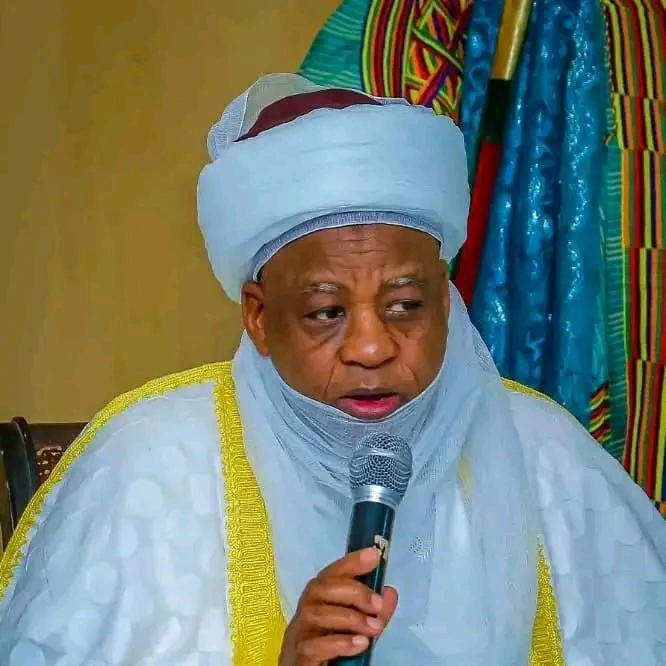
As the crescent moon signaled the beginning of a new Islamic year, Muslims across Nigeria joined their global counterparts in marking the sacred occasion of Muharram, a period steeped in history and spiritual reflection. The Sultan of Sokoto, Alhaji Sa'ad Abubakar, declared Tuesday, June 16, 2026, as the first day of Muharram 1448 AH, a declaration that resonated across the nation, prompting several states to announce public holidays to commemorate the event. This gesture, while welcomed by many, has reignited a longstanding debate on the need for a unified national stance on recognizing Muharram as a public holiday, a call that has been championed by the Muslim Media Practitioners of Nigeria (MMPN). As reported by Vanguard News, the Sultan's declaration was met with enthusiasm in Sokoto State, where the government not only declared a public holiday but also used the occasion to call for prayers for peace and an end to insecurity.
The significance of Muharram, as the first month of the Islamic calendar, cannot be overstated. It is a period that commemorates the Hijrah, the migration of the Prophet Muhammad from Mecca to Medina, marking a pivotal moment in Islamic history. According to the News Agency of Nigeria (NAN), Muharram is a time for Muslims to engage in sober reflection, self-assessment, and repentance, seeking Allah's forgiveness and renewing their commitment to righteous living. The governor of Sokoto State, in his statement as reported by Punch Nigeria, encouraged Muslims to use this occasion to pray fervently for lasting peace and an end to insecurity, highlighting the collective responsibility in securing the nation. This sentiment was echoed across various Muslim communities, as they observed the day with religious ceremonies and prayers.
The Cultural and Social Tapestry: Muharram's Significance in Nigeria
Muharram is not just a religious observance; it is deeply intertwined with the cultural and social fabric of Nigeria, a country with a significant Muslim population. The MMPN's call for Muharram to be declared a public holiday nationwide is rooted in the understanding that this would not only be a gesture of respect to the Muslim community but also a step towards greater inclusivity. As noted by TVC News, the MMPN's appeal is part of a broader narrative that seeks to recognize the diversity of religious practices in Nigeria. The declaration of Muharram as a public holiday in several states, including Sokoto, is seen as a positive step in this direction. However, the MMPN argues that a national declaration would be more impactful, fostering a sense of unity and shared values across different religious and ethnic groups.
The cultural significance of Muharram in Nigeria is also reflected in the way it is celebrated. In Sokoto, for instance, the day was marked with special prayers and ceremonies, highlighting the state's rich Islamic heritage. The governor's call for Muslims to engage in self-reflection and to pray for peace underscores the day's importance. As Nigeria navigates its complex socio-political landscape, such occasions offer a moment for collective introspection and prayer for the nation's well-being. According to Vanguard News, the Sultan's declaration and the subsequent celebrations across the country have brought to the fore the need for continued dialogue on how to promote religious harmony and understanding.
The Economic and Political Landscape: Implications of a National Holiday
The debate over declaring Muharram a national public holiday also has economic and political implications. On one hand, proponents argue that such a declaration would boost tourism and local economies, as it would provide an additional opportunity for festivities and cultural exchange. On the other hand, critics raise concerns about the potential economic costs, including the impact on productivity and the financial burden on businesses and government. As Nigeria continues to grapple with economic challenges, the decision to declare additional public holidays is not taken lightly. However, as observed by Punch Nigeria, several states have already demonstrated that with proper planning, the declaration of Muharram as a public holiday can be managed without significant economic disruption.
Politically, the move to declare Muharram a national holiday is seen as a gesture of goodwill towards the Muslim community, potentially enhancing social cohesion. In a diverse country like Nigeria, where religious and ethnic identities play a significant role in the political landscape, such gestures can be crucial in building trust and fostering a sense of belonging among different groups. The MMPN's advocacy is thus not just about religious observance but also about promoting a more inclusive national identity. As TVC News reported, the MMPN's call is part of a broader effort to ensure that Nigeria's religious diversity is celebrated and respected.
Future Implications: A Path Towards Greater Inclusivity
As Nigeria looks to the future, the debate over Muharram and public holidays is likely to continue. The MMPN's call for a national declaration is a step towards greater inclusivity, recognizing the country's religious diversity. The response of the Federal Government and state governments will be crucial in shaping the narrative around religious observance and national identity. According to analysts, a positive response could enhance social cohesion and promote a more inclusive national discourse. As Nigeria navigates its complex religious and cultural landscape, occasions like Muharram offer opportunities for reflection, unity, and progress.
In conclusion, the call for Muharram to be declared a national public holiday is more than a religious observance; it is a reflection of Nigeria's quest for inclusivity and unity. As the country moves forward, it is imperative that the government considers the cultural, social, economic, and political dimensions of such a declaration. By doing so, Nigeria can take a significant step towards fostering a more harmonious and inclusive society, where the diversity of religious practices is not only recognized but celebrated. As experts note, the way Nigeria navigates this issue will have lasting implications for its social fabric and national identity.
Countries like Indonesia and Malaysia recognize Islamic New Year nationally, demonstrating how official acknowledgment strengthens interfaith harmony. The modest cost of one holiday pales against the symbolic value of affirming Nigeria's pluralistic heritage and unity.
📰 Sources Cited
- Punch Nigeria: Sultan declares Tuesday Islamic New Year, Sokoto announces public holiday
- Vanguard News: Sultan declares Tuesday Islamic New Year; Sokoto announces public holiday
- TVC News: Islamic New Year: Declare Muharram 1 a Public Holiday, MMPN Tells FG, State Govts
- Punch Nigeria: Islamic year: States declare public holiday
0 Comments
Sign in to commentNo comments yet. Be the first to share your thoughts!