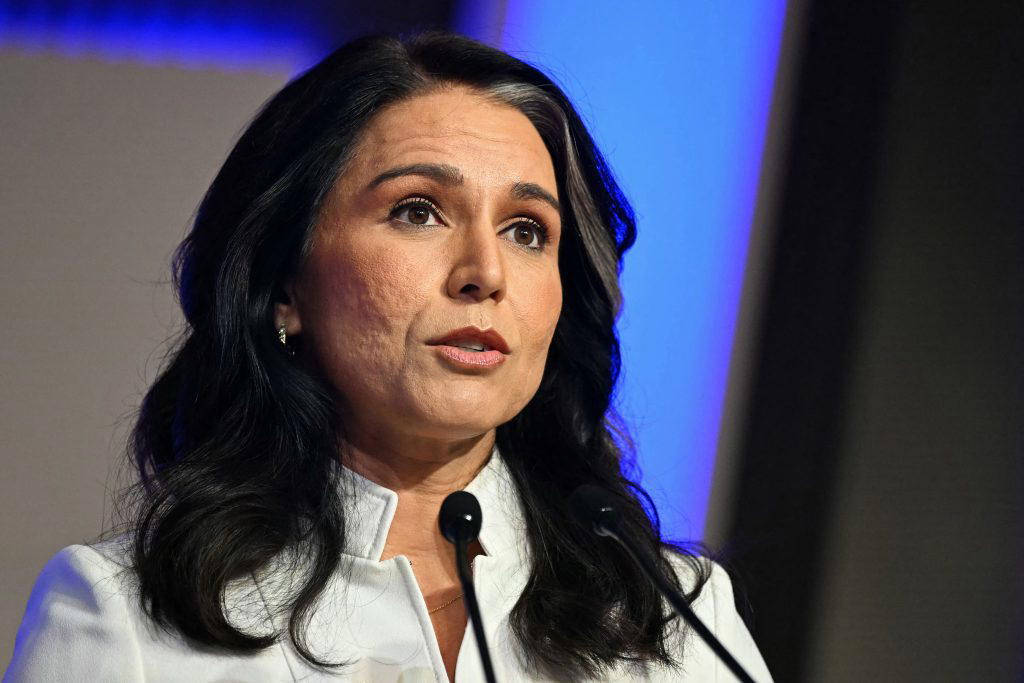
As the news broke on a fateful Friday, the corridors of power in Washington, D.C. were abuzz with the sudden announcement of Tulsi Gabbard's resignation as the Director of National Intelligence, effective June 30, 2026. The 45-year-old former Democratic congresswoman, who had been at the helm of the Office of the Director of National Intelligence (ODNI) since her confirmation by the Senate in February 2025, cited her husband's recent cancer diagnosis as the reason for her departure. Abraham Williams, Gabbard's husband, was diagnosed with an extremely rare form of bone cancer, sending shockwaves through the intelligence community. As reported by Punch Nigeria, Gabbard's decision to step down was seen as a personal sacrifice, one that would allow her to support her husband during this challenging time. According to Vanguard News, Gabbard's resignation marked the end of a tenure that was marked by controversy and scrutiny. The news sent ripples through the intelligence community, with many analysts and officials scrambling to understand the implications of her departure.
The Shadows of Uncertainty: A Leadership Vacuum Looms Large
As Gabbard's resignation takes effect, the intelligence community is bracing for a potentially seismic shift in leadership. Aaron Lukas, the Principal Deputy Director of National Intelligence, will take over as the acting DNI, but the question on everyone's lips is: what's next? According to Daily Post Nigeria, Gabbard's departure leaves a void in the ODNI, one that could have far-reaching consequences for the coordination of information from the 18 United States intelligence agencies that report to the DNI. With Gabbard's job involving the preparation of the president's daily briefing, the stakes are high, and the transition period is likely to be closely watched. As Al Jazeera Africa noted, Gabbard's resignation has sparked a flurry of speculation about the potential candidates to succeed her, with some analysts pointing to the possibility of a shake-up in the intelligence community. Experts say that the transition period will be critical in determining the future trajectory of the ODNI, with some warning that a leadership vacuum could have serious consequences for national security.
The Personal is Political: Gabbard's Resignation and the Human Cost of Public Service
Gabbard's decision to resign is a poignant reminder of the human cost of public service. As she navigates the challenges of supporting her husband through his cancer diagnosis, Gabbard's personal sacrifice has sparked an outpouring of sympathy from across the political divide. According to sources close to the matter, Gabbard's marriage to Abraham Williams in a Hindu ceremony was a testament to her commitment to her personal life, one that she is now prioritizing over her professional obligations. As one official noted, Gabbard's resignation is a reminder that even the most powerful individuals in Washington are not immune to the challenges of personal life. The news has also highlighted the often-overlooked human side of public service, with many analysts pointing to the toll that high-stress jobs like the DNI can take on individuals and their families. With Gabbard's age and relatively young family, her decision to step down has sparked a wider conversation about work-life balance in the intelligence community.
The Technological and Informational Battlefield: Gabbard's Legacy and the Future of Intelligence
Gabbard's tenure as DNI was marked by significant challenges, including the ongoing threat of cyberattacks and the need to adapt to an increasingly complex global security landscape. As she attended a Senate hearing on global threats in March, Gabbard demonstrated her commitment to staying ahead of the curve on emerging threats. According to experts, Gabbard's leadership was instrumental in shaping the United States intelligence community's response to these challenges, with some pointing to her efforts to improve coordination and information-sharing between agencies. As the intelligence community looks to the future, the question is: will Gabbard's resignation derail the progress that has been made? With the technological and informational battlefield continuing to evolve at a breakneck pace, the need for effective leadership is more pressing than ever. Analysts say that the next DNI will face significant challenges in maintaining the momentum that Gabbard built during her tenure.
Future Implications: A Blueprint for the Intelligence Community or a Band-Aid Solution?
As the dust settles on Gabbard's resignation, the intelligence community is left to ponder the implications of her departure. With Aaron Lukas set to take over as acting DNI, the question is: what's next? Will Lukas be able to build on Gabbard's legacy, or will the transition period be marked by disruption and uncertainty? According to officials, the next DNI will face significant challenges in maintaining the trust and confidence of the intelligence community, both at home and abroad. As the United States intelligence community looks to the future, one thing is clear: the need for effective leadership is more pressing than ever. With the stakes high and the challenges mounting, the intelligence community will be watching with bated breath as the transition unfolds. The future of the ODNI hangs in the balance, and the world is waiting to see what comes next. As the intelligence community navigates this period of uncertainty, one thing is certain: the decisions made in the coming weeks and months will have far-reaching consequences for national security and the future of intelligence.
As the intelligence community navigates this period of uncertainty, experts point to the need for a seamless transition to ensure continuity in addressing emerging threats. For instance, the ongoing efforts to counter cyber threats and disinformation campaigns will require sustained leadership and coordination. Gabbard's resignation may also have implications for the implementation of the National Intelligence Strategy, which outlines the intelligence community's priorities and goals for the next four years. The next DNI will need to build on the foundations laid by Gabbard, while also addressing new challenges and adapting to the evolving threat landscape. Furthermore, the transition period may also impact the intelligence community's relationships with international partners, who have come to rely on the United States for intelligence sharing and cooperation. The ability of the next DNI to maintain and strengthen these relationships will be crucial in addressing global threats and promoting national security. Ultimately, the success of the intelligence community in navigating this transition will depend on the ability of the next DNI to provide effective leadership, build trust, and drive innovation in the face of emerging challenges.
📰 Sources Cited
- Punch Nigeria: United States intelligence chief resigns, cites husband’s cancer diagnosis
- Vanguard News: Trump’s intelligence chief Tulsi Gabbard resigns
- Al Jazeera Africa: Tulsi Gabbard resigns as Trump’s top United States intelligence official
- Daily Post Nigeria: Tulsi Gabbard resigns as United States director of national intelligence
0 Comments
Sign in to commentNo comments yet. Be the first to share your thoughts!