Echoes of Anguish: The Community Laments
Echoes of Anguish: The Community Laments
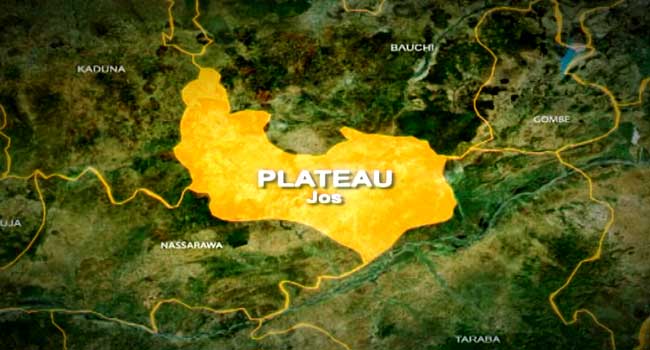
In the serene landscapes of Plateau State, Nigeria, a tragic symphony plays out, its discordant notes resonating with the cries of innocents. A Sunday evening in Angwan Rukuba community in Jos, once a haven for scholarly pursuits, fell to the cacophony of terror as gunmen stormed the streets, taking at least 30 lives in a brutal display of force. The victims, ordinary citizens, were not combatants but were instead going about their daily lives. Leadership Newspaper paints a grim picture, emphasizing the community's shock and the nation's collective dread as the violence surges unabated.
As the governor of Plateau State, Caleb Mutfwang, ascended to Abuja to brief President Tinubu, he could not have conveyed a more heart-wrenching description of the massacre than labeling it 'barbaric' and 'an act of terrorism.' The president's response was swift, his words filled with condemnation for the 'barbaric and cowardly attacks', urging security agencies to 'intensify all efforts'. His directive echoed the sentiments of a grieving nation, one that has seen too much bloodshed, as detailed by a fact-finding committee report presented in November 2025, which chillingly documented over 12,000 killed in Plateau State across two decades.
A Rallying Cry for Resilience: The Youth's Call to Arms
Amidst the sorrow and outrage, the Nigerian Youth In Politics (NYIP) stepped forward, their voices a clarion call for change. As Vanguard News reported, the NYIP not only condemned the recent killings but also called for stronger and proactive security measures to prevent future atrocities. In a statement issued in Abuja, NYIP chairman, Hon. Felix Idowu, and National Publicity Secretary, Comrade Dotun Omoleye, urged security agencies to move beyond reactive responses and adopt a more proactive stance.
The NYIP proposed the Community Resilience Against Terrorism (C-RAT) Initiative, aimed at positioning local communities as the first line of defense through early warning systems and grassroots vigilance structures, complemented by real-time communication channels with security agencies. This initiative, as described by Nigerian Tribune, underscores the need for community involvement in security and the importance of transparency and fairness by the Independent National Electoral Commission (INEC) ahead of the 2027 general election.
The Frontlines of Fear: Military Engagements and the Human Cost
The theater of conflict extends beyond the community streets, with the military in Plateau State actively disrupting the mass movement of terrorists. As The Nation Newspaper reported, three terrorists were killed at Karem in Wase Local Government Area, while two individuals were arrested for impersonating security operatives. These engagements, while necessary, further highlight the complex and dangerous landscape that residents of Plateau State must navigate daily.
The human cost of this conflict is immeasurable, with families in desperate search of missing loved ones, as detailed by Google News Nigeria. The profound loss is palpable, epitomized by a grieving mother in Jos who, in her anguish, gave her dead son a cutlass to avenge his death. This act of maternal despair speaks volumes about the depth of the anguish and the cycle of violence that seems to have no end.
The Road Ahead: Seeking a Path to Peace
The future implications of this ongoing violence are stark, with the need for a comprehensive and coordinated response from all levels of leadership. The NYIP's call for action urges a collective stance against insecurity and the upholding of electoral integrity. The commission's engagement with stakeholders is crucial to strengthening public confidence in the electoral process. As the NYIP encourages Nigerian youths to actively safeguard their communities, the role of the youth in shaping the nation's future becomes ever more significant.
The challenge ahead is to break the cycle of violence and build a resilient society that can withstand the scourge of terrorism. The Community Resilience Against Terrorism (C-RAT) Initiative is a step in the right direction, emphasizing the role of community vigilance and early warning systems. However, as the NYIP has emphasized, this must be coupled with a commitment to transparency and fairness in the electoral process to ensure that all voices are heard and that the cycle of violence does not encroach upon the democratic rights of the people.
Conclusion: The Pursuit of Peace in the Face of Terror
The haunting echoes of the Plateau State massacre reverberate through the nation, a stark reminder of the fragility of peace and the resilience of the human spirit. As Nigeria stands at the crossroads of its history, the path forward is fraught with challenges but also filled with the promise of a more secure and democratic future. It is a journey that requires the collective will of its people, the leadership of its youth, and the unwavering commitment to justice and peace. Only then can Nigeria hope to rise above the shadow of terror and embrace the light of a brighter tomorrow.
The Impact on Society: A Closer Look at the Human Toll
The human toll of the violence in Nigeria is immeasurable, with countless lives lost and families torn apart. In Plateau State alone, the attacks have left a trail of grief and pain, with mothers like the one in Jos mourning the loss of their children. The psychological impact of these incidents is profound, leading to a pervasive sense of insecurity that extends well beyond the immediate victims. According to a recent survey by NOI Polls, a majority of Nigerians reported feeling unsafe in their own communities, a sentiment that is particularly pronounced in regions like the Middle Belt where the violence has been most concentrated.
The economic ramifications of this unrest are also significant, as businesses are disrupted, and investment becomes increasingly hesitant. This, in turn, exacerbates poverty and unemployment, creating a vicious cycle that further destabilizes society. As the International Crisis Group (ICG) has noted, the lack of economic opportunity is a key factor driving recruitment into extremist groups, perpetuating the very violence that hinders development.
The Role of Security Forces: A Delicate Balance
The responsibility of the Nigerian security forces in managing this crisis is immense. They must navigate the delicate balance of maintaining law and order while also respecting human rights and avoiding the excessive use of force. Reports by Amnesty International have raised concerns about the conduct of security forces in some instances, alleging human rights abuses in the course of suppressing violence. This has led to calls for greater accountability and reforms within the security sector to ensure that the response to violence is both effective and upholds the rule of law.
The training and equipping of security forces are also critical. As Punch Nigeria reported, there have been efforts to bolster the capabilities of the Nigerian military, including joint operations with neighboring countries to combat cross-border terrorism. However, the scale and complexity of the security challenges demand a multifaceted approach that also includes intelligence gathering, community engagement, and the addressing of root causes of violence.
Fostering Dialogue and Reconciliation: A Multi-Stakeholder Effort
For peace to be sustainable, it must be built on a foundation of dialogue and reconciliation. The National Peace Committee (NPC), chaired by former Head of State General Abdulsalami Abubakar, has played a significant role in facilitating peace talks between various stakeholders. These efforts have been crucial in de-escalating tensions during election periods and promoting a culture of non-violence and respect for democratic norms.
The involvement of religious and traditional leaders is also paramount in healing communal divides and promoting tolerance. As Vanguard Nigeria highlighted, initiatives like the Interfaith Mediation Centre (IMC) in Jos have been instrumental in mediating disputes and fostering understanding between different faith communities. These grassroots efforts are vital in creating an environment where dialogue can flourish and where the seeds of peace can be planted.
Conclusion: A Call for Unity and Action
The pursuit of peace in Nigeria is a collective endeavor that requires the courage, determination, and unity of all its citizens. It is a journey fraught with challenges, but the alternative is a future mired in conflict and despair. The stories of anguish and resilience, such as that of the mother in Jos, serve as a poignant reminder of why this fight for peace is so critical. As Nigeria stands at this crossroads, it is imperative that all sectors of society—government, security forces, civil society, and the people—unite in their commitment to forging a path towards a more peaceful and just society. Only through a concerted and coordinated effort can the shadows of terror be dispelled and the promise of a brighter future for all Nigerians be realized.
📰 Sources Cited
- Leadership Newspaper: Plateau: When Will The Killing Stop?
- Leadership Newspaper: Youth Group Condemns Plateau Killings, Canvasses ‘Community Resilience Against Terrorism’
- Nigerian Tribune: Terrorists on motorcycles intercepted by soldiers in Plateau, 3 killed
- Google News Nigeria: Families in search of missing loved ones after Plateau killings - The Nation Newspaper
0 Comments
Sign in to commentNo comments yet. Be the first to share your thoughts!