## The Depths of Defilement: Illegal Dumping’s Dark Reckoning
The Depths of Defilement: Illegal Dumping’s Dark Reckoning
In the heart of Lagos, Nigeria's bustling metropolis, where commerce and culture intertwine in a vibrant dance, a sinister undercurrent threatens to strangle the city's lifeline—a surge in illegal waste dumping cases that reached a staggering 1,000 in 2025. This alarming figure, a testament to the city's struggle with environmental degradation, paints a grim picture of a city gasping under the weight of its own refuse.
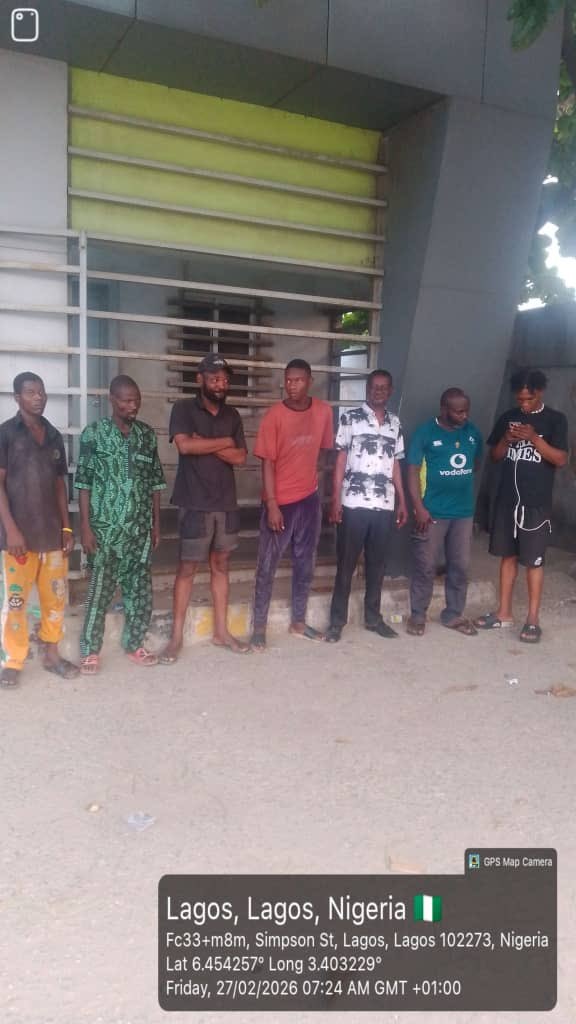
The Lagos Waste Management Authority, LAWMA, has been at the forefront of this battle, recording an unprecedented number of violations. The managing director of LAWMA, Dr. Muyiwa Gbadegesin, shared a somber statement on social platforms about the arrests of seven suspected defaulters during a predawn operation at Ebute Ero axis of Lagos Island, as reported by TVC News. The suspects were apprehended by the Lagos State Anti-Open Defecation Squad, a testament to the state's relentless efforts to curb environmental violations.
The situation is dire, with the city's waste crisis deepening. According to Punch Nigeria, the LAWMA MD discussed the causes of the waste crisis, including challenges with Private Sector Participation (PSP) operators and the state's transition to waste-to-energy solutions. The crisis has become a Gordian knot, ensnaring not just the environment but also public health and the very fabric of community life.
The Tarnished Mirror of Progress: Public Health on the Line
In a city where the Mazamaza bus stop in Amuwo-Odofin was once a bustling hub, a public toilet facility now stands as a monument to the city's waste management folly. The Lagos State Government shut down this facility due to its illegal discharge of sewage and wastewater into public drainage channels, as confirmed by the Commissioner for Environment and Water Resources, Tokunbo Wahab, in a statement shared on his official social media account. The action was not just a punitive measure but a necessary step to safeguard public health and environmental sustainability, a priority for the government.
Officials of the Lagos State Wastewater Management Office sealed the facility, discovering that raw sewage and wastewater were being pumped directly into a public drainage system, constituting a public nuisance and posing a serious threat to public health. Wahab urged residents and facility operators to comply with approved wastewater management and hygiene standards, warning of continued sanctions and possible prosecution for environmental infractions.
The Silent March of the Law: Enforcement and its Iron Grip
The enforcement exercise is part of the state’s ongoing efforts to curb environmental violations. The Coalition for Good Governance (CGG) in Lagos, in a plea to Governor Babajide Sanwo-Olu, urged him not to rescind from the original plan to immediately evacuate Makoko, highlighting the gravity of the situation. The Lagos State Government has shown its resolve by sealing a public toilet in Amuwo Odofin for discharging raw sewage into public drains, citing public health risks as the justification for this action, as reported by Punch Nigeria.
The gravity of the crackdown on open defecation is evident in the numbers. The Lagos State government apprehended 46 suspected offenders during coordinated early morning enforcement operations across Lagos Island, operations carried out by the state’s Anti-Open Defecation team. The arrests, as detailed by The Nation, are a stark reminder of the city's struggle to maintain environmental sanitation and protect public health.
The Echoes of a Fractured City: Social and Economic Ripples
The fight against illegal dumping is not just an environmental crusade; it is a social and economic battle as well. The city's image, already tarnished by the waste crisis, suffers further as tourists and investors alike are deterred by the sight of mounds of garbage and the stench of sewage. The economic implications are profound, with potential losses in tourism revenue and foreign investment, not to mention the intangible costs to the city's cultural heritage.
The Road Less Traveled: Towards Sustainable Solutions
The future of Lagos hinges on its ability to tackle the waste crisis head-on. The state's transition to waste-to-energy solutions, as mentioned by the LAWMA MD, represents a step in the right direction. However, this transition must be accompanied by a holistic approach that involves the entire community, from PSP operators to residents. The enforcement of waste management regulations, as demonstrated by the "Show Your PSP Payment Receipt" operation in Apapa-Iganmu areas, is a necessary measure to ensure compliance and accountability.
Future Implications: Charting a Path to Resilience
As Lagos stares down the barrel of a waste crisis, the future holds both challenges and opportunities. The city must forge a path that not only addresses the immediate problem of waste disposal but also lays the groundwork for a more sustainable and resilient urban environment. This will require innovative solutions, strong political will, and the active participation of all stakeholders. The city's journey towards a cleaner, healthier future is fraught with obstacles, but with determination and collective action, Lagos can emerge as a model for urban waste management in Africa and beyond.
Digging Deep: The Complexities of Waste Management in Lagos
Lagos, Nigeria's commercial capital, faces a monumental task in managing its waste. The city's growth has outpaced the development of its waste management infrastructure, leading to a crisis that underscores the broader challenges of urbanization in Africa. The city generates an estimated 13,000 tons of waste daily, a figure that is expected to rise as the population grows. According to a report by the United Nations, Lagos is projected to become the third-largest megacity in the world by 2100, exacerbating the waste disposal issues.
The Human Face of Waste: Socio-economic Impacts
The waste crisis in Lagos extends beyond environmental concerns. It is a public health issue, with diseases such as cholera and typhoid fever linked to poor sanitation. The health implications are dire, with inadequate waste disposal contributing to water and soil contamination, posing serious risks to the health and well-being of the city's inhabitants. Experts estimate that poor sanitation costs Nigeria approximately $11 billion annually in healthcare costs and lost productivity.
The Environmental Toll: A Call for Green Solutions
Environmental degradation is another pressing issue. Landfills, often poorly managed, leak toxins into the soil and groundwater, affecting agricultural productivity and biodiversity. The waste-to-energy initiative, which converts waste into electricity, could alleviate some of these environmental pressures. However, this approach necessitates significant investment in technology and infrastructure, posing financial challenges for a city struggling to meet basic sanitation needs.
The Economic Conundrum: Balancing Growth and Sustainability
The economic impact of poor waste management is multifaceted. Lagos, a key economic hub in West Africa, could see its growth hampered by a deteriorating environment. The waste crisis could lead to loss of investment opportunities, as companies shy away from an environment that fails to meet basic public health standards. The World Bank estimates that for every dollar invested in waste management, there is a return of up to nine dollars in reduced environmental and health costs. Thus, investment in sustainable waste management could yield significant economic dividends.
Navigating the Path Forward: Strategies and Initiatives
To address the waste crisis, Lagos requires a multi-pronged approach that includes policy reform, technological innovation, and community engagement. Policymakers must prioritize the development of frameworks that incentivize waste reduction and recycling. Technological advancements, such as digital platforms to track waste collection and processing, can enhance efficiency and ensure transparency in waste management.
Collaborative Approach: Public-Private Partnerships
Public-Private Partnerships (PPPs) can play a crucial role in augmenting the city's waste management capabilities. Private sector involvement can bring in much-needed capital and expertise to the waste management sector. The Lagos State Government has already ventured into such partnerships, with several PSPs operating in the waste management space. However, as seen in the arrests for illegal dumping, there is still much room for improvement in terms of regulation and enforcement.
Community Participation: Empowering Citizens
Community participation is vital in any waste management strategy. Citizens must be educated on the importance of proper waste disposal and be involved in waste reduction initiatives. Grassroots organizations and NGOs have a significant role to play in raising awareness and mobilizing communities to participate actively in waste management efforts.
Technological Innovations: Harnessing Digital Solutions
Leveraging technology can help Lagos tackle its waste crisis more effectively. Digital solutions such as waste tracking apps and real-time monitoring systems can enhance the efficiency of waste collection and disposal. For instance, the launch of the "e-Waste Tracking" app by the Lagos State Government is a step towards digitalizing waste management.
International Cooperation: Learning from Other Cities
Lagos can also learn from cities across the globe that have successfully implemented waste management solutions. Cities like Copenhagen and San Francisco have shown that with the right mix of policy, technology, and community engagement, it is possible to achieve high recycling rates and significantly reduce waste. International cooperation and knowledge sharing can provide valuable insights for Lagos in its quest for sustainable waste management.
Conclusion: A Sustainable Future for Lagos
The road to a sustainable future for Lagos is fraught with challenges, but it is not insurmountable. With a concerted effort from the government, private sector, and civil society, Lagos can transform its waste crisis into an opportunity for growth and innovation. The city's journey will not only impact its residents but also set a precedent for other African cities grappling with similar issues. As Lagos evolves, it has the potential to become a beacon of sustainable urban living, serving as a testament to the power of collective action and innovation in overcoming the environmental, social, and economic challenges posed by waste management.
📰 Sources Cited
- TVC News: Lagos Anti–Open Defecation Squad Arrests Seven Suspected Defaulters
- Punch Nigeria: Why waste keeps piling up in Lagos — LAWMA MD
- Daily Post Nigeria: Lagos shuts toilet facility for dumping raw sewage, waste water into drainage
- Independent Nigeria: Makoko: Don’t Revoke Law On Evacuation Of Residents Under High Tension, Coalition Urges Sanwo-Olu
- Punch Nigeria: Lagos seals public toilet for pumping sewage into drainage
- The Nation: Lagos arrests 46 for open defecation in Island crackdown
- Independent Nigeria: Management Retreat: Cole Urges Improved Commitment, Operational Excellence From Senior Operatives, Staff In Lagos
- Independent Nigeria: LAWMA To Embark On Operation ‘Show Your PSP Payment Receipt’ In Apapa-Iganmu
- Daily Post Nigeria: 46 arrested for open defecation in Lagos
- Daily Post Nigeria: LAWMA targets illegal waste dumping with PSP receipt checks in Apapa
0 Comments
Sign in to commentNo comments yet. Be the first to share your thoughts!