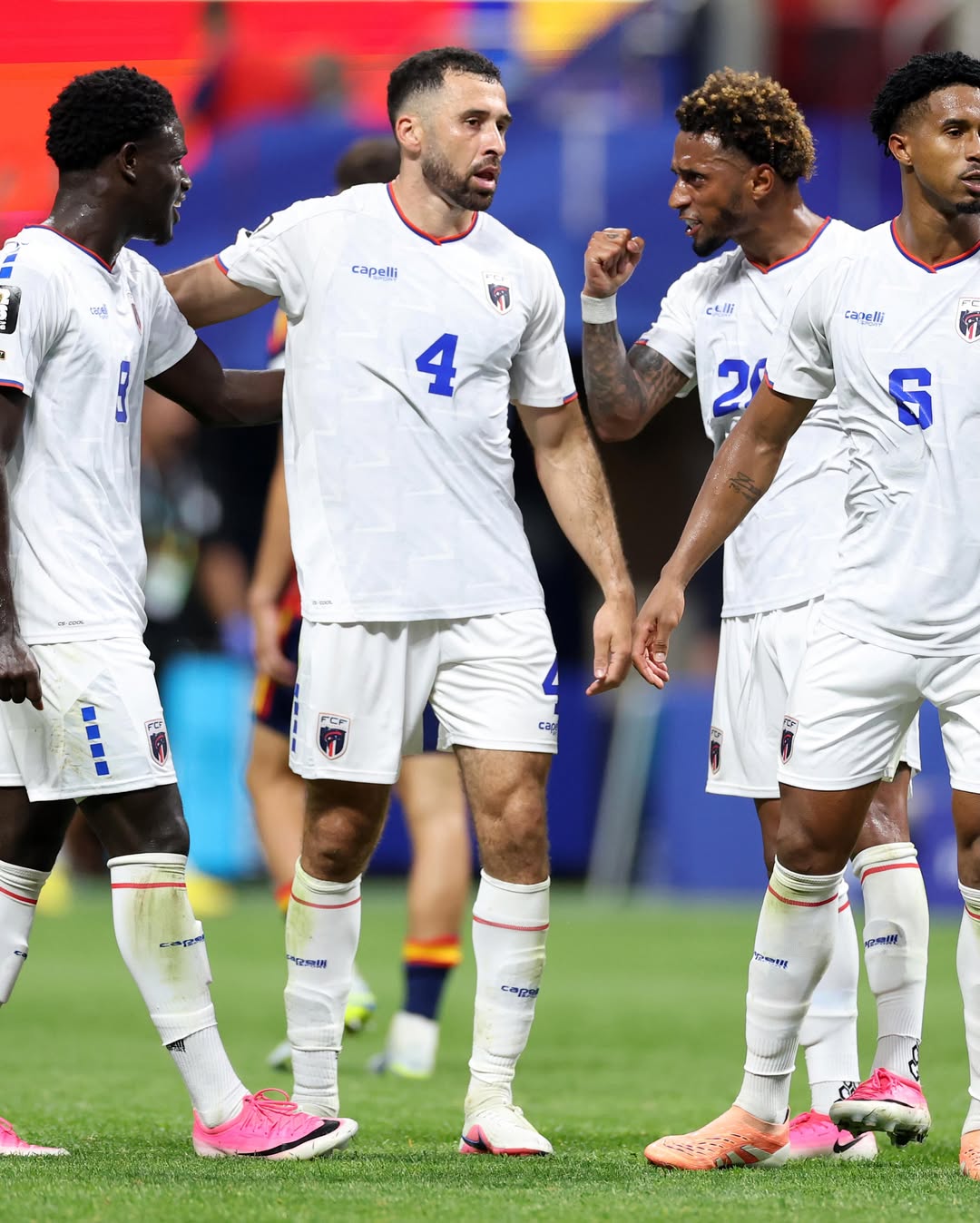
The second day of the 2026 World Cup unfolded like a masterclass in unpredictability, as underdogs and favorites clashed in a spectacular display of football prowess. The stage was set for drama, and the players delivered, etching their names in the annals of World Cup history. In a stunning turn of events, debutants Cape Verde held the reigning European champions, Spain, to a 0-0 draw, sending shockwaves through the football world. As reported by Vanguard News, Spain's inability to breach Cape Verde's defense was a stark reminder of their struggles in recent World Cups.
The match between Spain and Cape Verde was a closely contested affair, with the European champions dominating possession but failing to create clear-cut chances. Cape Verde's goalkeeper, Vozinha, was the hero of the day, making several crucial saves to deny Spain. According to BellaNaija, Vozinha's performance was instrumental in securing a historic point for Cape Verde. The veteran goalkeeper's heroics are a testament to the emergence of new talent in the World Cup.
Meanwhile, in Group C, Scotland marked their return to the World Cup with a hard-fought 1-0 win over Haiti. The Tartan Army, Scotland's traveling supporters, packed the Gillette Stadium, cheering their team to victory. As Channels TV reported, Scotland's midfielder John McGinn scored the only goal of the game, deflecting a shot past Haiti's goalkeeper. The win was a morale booster for Scotland, who face Morocco in their next match.
In another thrilling encounter, Australia pulled off a stunning 2-0 upset against Turkey in their Group D clash. Australia's coach, Tony Popovic, made a bold decision to drop experienced goalkeeper Maty Ryan in favor of rookie Patrick Beach, who repaid the faith with an unforgettable performance. According to Channels TV, Beach made save after save to deny Turkey, who enjoyed 72% possession but failed to capitalize on their chances. Australia's Nestory Irankunda and Connor Metcalfe scored the goals, with Metcalfe's individual strike in the 75th minute sealing the win.
The day's matches also saw Brazil draw 1-1 with Morocco, with Vinicius Junior scoring a crucial equalizer for the Brazilian side. As reported by Channels TV, Morocco's Ismael Saibari gave his team the lead with a clever scoop, but Vinicius produced a moment of magic to level the score. The draw was a morale booster for Morocco, who face Scotland in their next match.
In a closely watched match, Iran fought back to hold New Zealand to a 2-2 draw. According to Google News Nigeria, Iran's Mohammad Mohebbi scored a header to rescue a draw for his team after New Zealand's Elijah Just scored twice. The match was a closely contested affair, with both teams creating chances but ultimately sharing the spoils.
The Art of Upsets: A New Era in World Cup History
The 2026 World Cup is shaping up to be a tournament of surprises, with underdogs and dark horses emerging to challenge the traditional powerhouses. Cape Verde's draw against Spain is a case in point, as the debutants proved that they are a force to be reckoned with. According to Punch Nigeria, Cape Verde's disciplined display was a testament to their team's cohesion and determination. The rise of new footballing nations is a significant trend in the World Cup, with teams like Cape Verde and Haiti pushing the boundaries of what is possible.
As the tournament progresses, it will be interesting to see how the traditional powerhouses respond to the challenge posed by these emerging nations. Will they be able to adapt and evolve, or will they continue to struggle against the new competition? The answers will become clearer as the World Cup unfolds.
The Cultural and Social Dimension: Football as a Unifying Force
The World Cup is not just about football; it's also about the cultural and social context in which the game is played. The tournament brings together people from different backgrounds and cultures, creating a sense of unity and shared purpose. According to Daily Trust, the World Cup is a celebration of football, culture, and community, with fans from around the world coming together to support their teams. The power of football to unite is a significant aspect of the World Cup, transcending national and cultural boundaries.
As the World Cup continues, it will be interesting to see how the different cultures and communities represented in the tournament interact and influence each other. Will the World Cup be a catalyst for greater understanding and cooperation, or will it exacerbate existing tensions and divisions? The answers will depend on how the tournament is managed and how the different stakeholders engage with each other.
Future Implications: A New Era in World Cup History
The 2026 World Cup is shaping up to be a tournament of surprises, with underdogs and dark horses emerging to challenge the traditional powerhouses. As the tournament progresses, it will be interesting to see how the different teams and stakeholders respond to the challenges and opportunities presented by the World Cup. According to Al Jazeera Africa, the World Cup is a platform for emerging nations to showcase their talent and challenge the status quo. The future of football is likely to be shaped by the trends and developments emerging in the World Cup.
In conclusion, the second day of the 2026 World Cup was a thrilling ride, with upsets and underdogs emerging to challenge the traditional powerhouses. As the tournament continues, it will be interesting to see how the different teams and stakeholders respond to the challenges and opportunities presented by the World Cup. The answers will depend on how the tournament is managed and how the different stakeholders engage with each other. One thing is certain, however: the 2026 World Cup is shaping up to be a tournament for the ages.
From Cape Verde's masterclass against Spain to Australia's triumph over Turkey, results signal democratisation of global football. Expanded tournaments offer smaller nations not merely participation, but opportunity. Broadcast audiences across Africa and Asia are growing, and investment follows talent, reshaping sport's economic geography.
📰 Sources Cited
- BellaNaija: Cabo Verde Make World Cup History With 0–0 Draw Against Spain [In Photos]
- PM News Nigeria: Iran fight back to hold New Zealand in tense World Cup opener
- Punch Nigeria: World Cup debutant Cape Verde stun Spain in 0-0 draw
- Channels TV: World Cup: Vinicius Strikes As Brazil Draw Morocco, Australia Down Turkey
- Google News Nigeria: World Cup 2026: Iran 2-2 New Zealand - Mohammad Mohebbi's header rescues draw after Motherwell forward Elijah Just's double - Sky Sports
- Vanguard News: World Cup: 5 players who stood out in Spain, Cape Verde clash
- Vanguard News: World Cup 2026: Debutant Cape Verde hold Spain to goalless draw
- Al Jazeera Africa: Watch World Cup Day 4: Germany routs Curacao; Netherlands draw with Japan
- Daily Trust: World Cup Day 2: Empty seats, ‘missing’ Presidents and other activities
- Google News Nigeria: Belgium player ratings vs Egypt: Big Rom to the rescue! Lukaku forces own goal as Red Devils pick up precious point in World Cup opener despite dodgy display from Thibaut Courtois - Goal.com
0 Comments
Sign in to commentNo comments yet. Be the first to share your thoughts!