Skip to Content

EkitiDecides2026: A Tale of Two Realities - Peaceful Polls vs. Electoral Anxieties

Samuel Chimezie Okechukwu (Great Nigeria - Story Teller)
06/21/2026
DEEP DIVE

The Ekiti State governorship election, dubbed EkitiDecides2026, has unfolded as a complex narrative of contrasting realities, where the veneer of peaceful polls is juxtaposed with underlying electoral anxieties. As Nigerians converged on polling units across the state, the Independent National Electoral Commission (INEC) worked tirelessly to ensure the integrity of the electoral process. According to reports from Peoples Gazette, INEC's resident commissioner praised the election as peaceful, commending the security agencies for their role in maintaining order. This sentiment was echoed by Governor Uba Sani of Kaduna State, who, as cited by Premium Times, described the election as going well and peaceful, highlighting the collaborative efforts between the relevant security agencies and the people. However, beneath this narrative of peace and cooperation, allegations of vote-buying and electoral malpractices threatened to undermine the legitimacy of the process. As Ambassador Dare Bejide, the governorship candidate of the African Democratic Congress (ADC), alleged vote-buying in Ilawe-Ekiti polling units, as reported by Business Day, a discordant note was struck in the otherwise harmonious electoral symphony.

The Electoral Landscape: A Canvas of Contrasting Colors

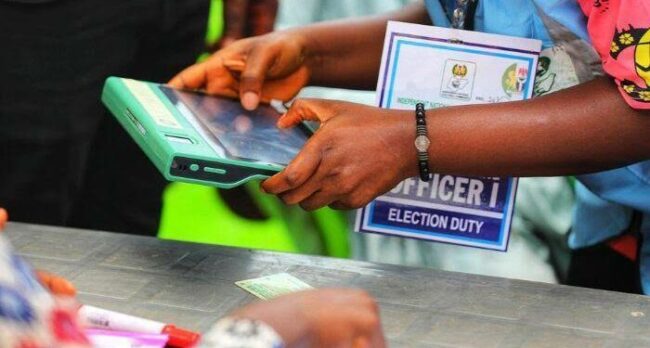
As the election progressed, the electoral landscape in Ekiti State presented a mosaic of contrasting colors, with various stakeholders painting their own pictures of the unfolding drama. INEC's efforts to ensure transparency were evident in its decision to upload results from polling units to its Results Viewing (IReV) portal. According to Nigerian Tribune, INEC had uploaded results from 2,128 polling units out of a total of 2,445, allowing the public to scrutinize the electoral process. This move was seen as a step towards enhancing the credibility of the election, with observers from Yiaga Africa reporting that 96% of their randomly sampled polling units were being observed, as noted by Premium Times. However, the pace of result uploads was not without controversy, with Daily Trust reporting that only 21.02% of the results had been uploaded on the IReV portal initially, although this figure later rose to 34.60%, as reported by Premium Times. The use of Biometric Voter Accreditation System (BVAS) machines was also a significant aspect of the electoral process, with observers hailing their performance, while raising alarms over vote-buying, as cited by Premium Times.

The Vote-Buying Conundrum: A Challenge to Electoral Integrity

The allegations of vote-buying that emerged during the election posed a significant challenge to the integrity of the electoral process. As Ambassador Bejide's allegations gained traction, they highlighted the ongoing struggle to eradicate this malaise from Nigerian politics. According to Punch Newspapers, as reported on Google News Nigeria, tensions between APC and ADC supporters escalated in some areas, resulting in violence and injuries, underscoring the volatile nature of electoral politics in the country. In this context, the role of INEC in ensuring strict compliance with its guidelines on result management became increasingly crucial. The commission's ability to replace malfunctioning BVAS machines and its commitment to uploading results in real-time were seen as vital in maintaining the credibility of the election. As experts and analysts weighed in on the implications of these developments, it became clear that the EkitiDecides2026 election was not just about the immediate outcome but also about setting a precedent for future electoral reforms.

The Aftermath: A Reflection on the Electoral Experience

As the Ekiti State governorship election draws to a close, the outcome remains uncertain, pending the final collation and announcement of results by INEC. However, beyond the immediate electoral outcome, the EkitiDecides2026 experience offers valuable insights into the complexities of Nigerian electoral politics. The mixed sentiments expressed by various stakeholders, ranging from praise for the peaceful conduct of the election to allegations of electoral malpractices, underscore the need for continued electoral reforms. According to Premium Times, officials have hinted that the outcome of the poll will guide future amendments to the Electoral Act, highlighting the significance of this election as a learning experience. As the nation looks to the future, the EkitiDecides2026 election serves as a microcosm of the broader challenges and opportunities that lie ahead for Nigeria's democratic journey.

Future Implications: A Blueprint for Electoral Reform?

The EkitiDecides2026 election has far-reaching implications for Nigeria's electoral landscape, offering a unique opportunity for stakeholders to reflect on the successes and challenges of the electoral process. As the country looks to the future, the need for comprehensive electoral reforms becomes increasingly evident. The experience in Ekiti State highlights the importance of addressing issues such as vote-buying, electoral violence, and the use of technology in enhancing the credibility of elections. With INEC at the forefront of these efforts, the EkitiDecides2026 election serves as a critical test case for the commission's ability to deliver on its mandate. As analysts and experts continue to dissect the electoral process, it is clear that the lessons learned from Ekiti State will play a significant role in shaping the future of Nigerian democracy. The path forward will require a concerted effort from all stakeholders to address the existing challenges and to build on the successes of the electoral process, ultimately strengthening the foundations of democracy in Nigeria.

The EkitiDecides2026 election has far-reaching implications for Nigeria's electoral landscape, offering a unique opportunity for stakeholders to reflect on the successes and challenges of the electoral process. As the country looks to the future, the need for comprehensive electoral reforms becomes increasingly evident. The experience in Ekiti State highlights the importance of addressing issues such as vote-buying, electoral violence, and the use of technology in enhancing the credibility of elections. With INEC at the forefront of these efforts, the EkitiDecides2026 election serves as a critical test case for the commission's ability to deliver on its mandate. For instance, the deployment of the Bimodal Voter Accreditation System (BVAS) and the INEC Results Viewing Portal (IReV) aimed to enhance the transparency and credibility of the electoral process. However, the reported glitches and technical issues with these systems underscore the need for further investment in electoral technology and infrastructure. Furthermore, the EkitiDecides2026 election has also brought to the fore the issue of internal party democracy, with several political parties facing challenges related to candidate selection and party primaries. The ability of political parties to conduct free and fair primaries will be crucial in determining the credibility of future elections. Ultimately, the outcome of the EkitiDecides2026 election will serve as a bellwether for the 2027 general elections, providing valuable lessons for stakeholders to learn from and build upon.


As Nigeria continues on its democratic journey, the importance of electoral reforms, internal party democracy, and the use of technology in enhancing electoral credibility will remain at the forefront of the national conversation.

📰 Sources Cited

Live Updates

IReV Uploads Stall as 66 Polling Unit Results Remain Missing

The collation of results for the Ekiti governorship election has hit a snag, with 66 polling unit results still missing on the INEC Results Viewing (IReV) portal, Premium Times reports. This development has raised concerns among stakeholders, given INEC's commitment to transparency and public access to election results. The missing results could potentially impact the final outcome, although the current trend suggests a significant win for the APC candidate, Biodun Oyebanji.

APC's Oyebanji Poised for Victory as Results Show Sweeping Wins Across LGAs

The All Progressives Congress (APC) candidate, Biodun Oyebanji, is on course to win the Ekiti governorship election, having recorded significant victories across all 16 local government areas, according to Premium Times. The APC has dominated both urban and rural voting blocs, with notable wins in Ado Ekiti, Ekiti West, Irepodun/Ifelodun, Ikole, and Ekiti East. The Independent National Electoral Commission (INEC) is expected to declare Oyebanji the winner based on these results.

Ekiti Election Marred by Allegations of Vote Buying, Irregularities

The Movement for Credible Elections has raised concerns over alleged vote buying, pre-thumbprinted ballot papers, and the distribution of uncollected voter cards during Saturday's Ekiti governorship election, calling for urgent investigations. These allegations come as voting results continue to be collated across the 16 local government areas. According to Premium Times, the group has demanded a probe into these claims, which could potentially impact the credibility of the election outcome.

No comments yet. Be the first to share your thoughts!

EkitiDecides2026: A Tale of Two Realities - Peaceful Polls vs. Electoral Anxieties

Samuel Chimezie Okechukwu (Great Nigeria - Story Teller)
06/21/2026
DEEP DIVE

The Ekiti State governorship election, dubbed EkitiDecides2026, has unfolded as a complex narrative of contrasting realities, where the veneer of peaceful polls is juxtaposed with underlying electoral anxieties. As Nigerians converged on polling units across the state, the Independent National Electoral Commission (INEC) worked tirelessly to ensure the integrity of the electoral process. According to reports from Peoples Gazette, INEC's resident commissioner praised the election as peaceful, commending the security agencies for their role in maintaining order. This sentiment was echoed by Governor Uba Sani of Kaduna State, who, as cited by Premium Times, described the election as going well and peaceful, highlighting the collaborative efforts between the relevant security agencies and the people. However, beneath this narrative of peace and cooperation, allegations of vote-buying and electoral malpractices threatened to undermine the legitimacy of the process. As Ambassador Dare Bejide, the governorship candidate of the African Democratic Congress (ADC), alleged vote-buying in Ilawe-Ekiti polling units, as reported by Business Day, a discordant note was struck in the otherwise harmonious electoral symphony.

The Electoral Landscape: A Canvas of Contrasting Colors

As the election progressed, the electoral landscape in Ekiti State presented a mosaic of contrasting colors, with various stakeholders painting their own pictures of the unfolding drama. INEC's efforts to ensure transparency were evident in its decision to upload results from polling units to its Results Viewing (IReV) portal. According to Nigerian Tribune, INEC had uploaded results from 2,128 polling units out of a total of 2,445, allowing the public to scrutinize the electoral process. This move was seen as a step towards enhancing the credibility of the election, with observers from Yiaga Africa reporting that 96% of their randomly sampled polling units were being observed, as noted by Premium Times. However, the pace of result uploads was not without controversy, with Daily Trust reporting that only 21.02% of the results had been uploaded on the IReV portal initially, although this figure later rose to 34.60%, as reported by Premium Times. The use of Biometric Voter Accreditation System (BVAS) machines was also a significant aspect of the electoral process, with observers hailing their performance, while raising alarms over vote-buying, as cited by Premium Times.

The Vote-Buying Conundrum: A Challenge to Electoral Integrity

The allegations of vote-buying that emerged during the election posed a significant challenge to the integrity of the electoral process. As Ambassador Bejide's allegations gained traction, they highlighted the ongoing struggle to eradicate this malaise from Nigerian politics. According to Punch Newspapers, as reported on Google News Nigeria, tensions between APC and ADC supporters escalated in some areas, resulting in violence and injuries, underscoring the volatile nature of electoral politics in the country. In this context, the role of INEC in ensuring strict compliance with its guidelines on result management became increasingly crucial. The commission's ability to replace malfunctioning BVAS machines and its commitment to uploading results in real-time were seen as vital in maintaining the credibility of the election. As experts and analysts weighed in on the implications of these developments, it became clear that the EkitiDecides2026 election was not just about the immediate outcome but also about setting a precedent for future electoral reforms.

The Aftermath: A Reflection on the Electoral Experience

As the Ekiti State governorship election draws to a close, the outcome remains uncertain, pending the final collation and announcement of results by INEC. However, beyond the immediate electoral outcome, the EkitiDecides2026 experience offers valuable insights into the complexities of Nigerian electoral politics. The mixed sentiments expressed by various stakeholders, ranging from praise for the peaceful conduct of the election to allegations of electoral malpractices, underscore the need for continued electoral reforms. According to Premium Times, officials have hinted that the outcome of the poll will guide future amendments to the Electoral Act, highlighting the significance of this election as a learning experience. As the nation looks to the future, the EkitiDecides2026 election serves as a microcosm of the broader challenges and opportunities that lie ahead for Nigeria's democratic journey.

Future Implications: A Blueprint for Electoral Reform?

The EkitiDecides2026 election has far-reaching implications for Nigeria's electoral landscape, offering a unique opportunity for stakeholders to reflect on the successes and challenges of the electoral process. As the country looks to the future, the need for comprehensive electoral reforms becomes increasingly evident. The experience in Ekiti State highlights the importance of addressing issues such as vote-buying, electoral violence, and the use of technology in enhancing the credibility of elections. With INEC at the forefront of these efforts, the EkitiDecides2026 election serves as a critical test case for the commission's ability to deliver on its mandate. As analysts and experts continue to dissect the electoral process, it is clear that the lessons learned from Ekiti State will play a significant role in shaping the future of Nigerian democracy. The path forward will require a concerted effort from all stakeholders to address the existing challenges and to build on the successes of the electoral process, ultimately strengthening the foundations of democracy in Nigeria.

The EkitiDecides2026 election has far-reaching implications for Nigeria's electoral landscape, offering a unique opportunity for stakeholders to reflect on the successes and challenges of the electoral process. As the country looks to the future, the need for comprehensive electoral reforms becomes increasingly evident. The experience in Ekiti State highlights the importance of addressing issues such as vote-buying, electoral violence, and the use of technology in enhancing the credibility of elections. With INEC at the forefront of these efforts, the EkitiDecides2026 election serves as a critical test case for the commission's ability to deliver on its mandate. For instance, the deployment of the Bimodal Voter Accreditation System (BVAS) and the INEC Results Viewing Portal (IReV) aimed to enhance the transparency and credibility of the electoral process. However, the reported glitches and technical issues with these systems underscore the need for further investment in electoral technology and infrastructure. Furthermore, the EkitiDecides2026 election has also brought to the fore the issue of internal party democracy, with several political parties facing challenges related to candidate selection and party primaries. The ability of political parties to conduct free and fair primaries will be crucial in determining the credibility of future elections. Ultimately, the outcome of the EkitiDecides2026 election will serve as a bellwether for the 2027 general elections, providing valuable lessons for stakeholders to learn from and build upon.


As Nigeria continues on its democratic journey, the importance of electoral reforms, internal party democracy, and the use of technology in enhancing electoral credibility will remain at the forefront of the national conversation.

📰 Sources Cited

Live Updates

IReV Uploads Stall as 66 Polling Unit Results Remain Missing

The collation of results for the Ekiti governorship election has hit a snag, with 66 polling unit results still missing on the INEC Results Viewing (IReV) portal, Premium Times reports. This development has raised concerns among stakeholders, given INEC's commitment to transparency and public access to election results. The missing results could potentially impact the final outcome, although the current trend suggests a significant win for the APC candidate, Biodun Oyebanji.

APC's Oyebanji Poised for Victory as Results Show Sweeping Wins Across LGAs

The All Progressives Congress (APC) candidate, Biodun Oyebanji, is on course to win the Ekiti governorship election, having recorded significant victories across all 16 local government areas, according to Premium Times. The APC has dominated both urban and rural voting blocs, with notable wins in Ado Ekiti, Ekiti West, Irepodun/Ifelodun, Ikole, and Ekiti East. The Independent National Electoral Commission (INEC) is expected to declare Oyebanji the winner based on these results.

Ekiti Election Marred by Allegations of Vote Buying, Irregularities

The Movement for Credible Elections has raised concerns over alleged vote buying, pre-thumbprinted ballot papers, and the distribution of uncollected voter cards during Saturday's Ekiti governorship election, calling for urgent investigations. These allegations come as voting results continue to be collated across the 16 local government areas. According to Premium Times, the group has demanded a probe into these claims, which could potentially impact the credibility of the election outcome.

No comments yet. Be the first to share your thoughts!

Cinematic