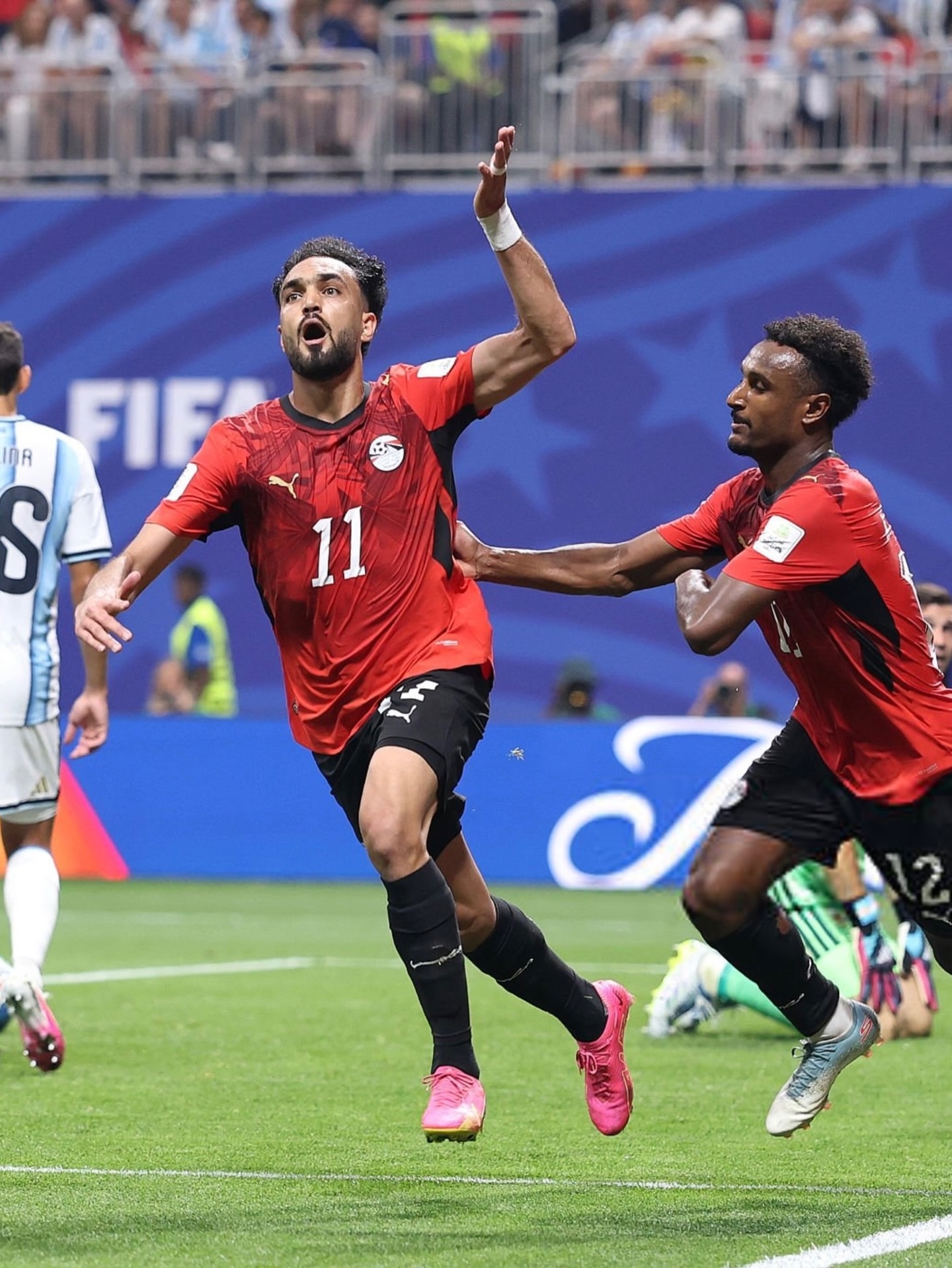
The Atlanta Stadium was abuzz with electric tension as Egypt clashed with Argentina in the Round of 16 FIFA World Cup match, a contest that would prove to be a heart-wrenching exit for the Pharaohs. The air was thick with the scent of anticipation and the roar of fervent fans, all clamoring for a glimpse of footballing magic. As the teams took to the pitch, the atmosphere was palpable, with the weight of history and expectation hanging precariously in the balance. Egypt, buoyed by a spirited performance, had taken a commanding 2-0 lead through Yasser Ibrahim's 15th-minute header and Mostafa Ziko's clinical finish, leaving Argentina reeling. According to BellaNaija, Egypt's players were ecstatic, celebrating their goals with unbridled joy, their movements a testament to the elation that coursed through their veins. However, the euphoria was short-lived, as Argentina, fueled by the indomitable spirit of Lionel Messi, staged a remarkable comeback, scoring three unanswered goals in a span of 13 minutes to seal a 3-2 victory. As reported by Complete Sports, Messi scored in a record sixth-straight World Cup knockout match, his goal-scoring prowess proving to be the decisive factor in Argentina's triumph. The Egyptian players, their faces etched with disappointment and despair, were left to ponder what might have been, their World Cup dreams extinguished by the cruel hand of fate.
A Tale of Two Halves: Egypt's Early Dominance and Argentina's Resurgence
The match was a masterclass in contrasts, with Egypt dictating the tempo in the early stages, their attacking flair and precision leaving Argentina struggling to cope. Mostafa Ziko's goal, although ultimately disallowed after a VAR review, was a testament to Egypt's attacking prowess, their ability to create scoring opportunities leaving the Argentine defense on the back foot. As Premium Times noted, Egypt's forward line was a potent force, with Ziko's movement and finishing ability causing problems for the Argentine defense. However, Argentina, never one to be deterred, slowly began to gain traction, their possession and passing accuracy gradually improving as the game wore on. According to Ripples Nigeria, Messi, ever the catalyst, played a pivotal role in Argentina's resurgence, his creativity and vision unlocking the Egyptian defense. The Argentine captain, having had a first-half penalty saved by Egypt's goalkeeper, Mostafa Shobair, was undeterred, his determination and resolve ultimately paying dividends as he scored the equalizing goal in the 83rd minute. The Egyptian players, their initial elation giving way to despair, were left to rue the missed opportunities and defensive lapses that ultimately proved to be their undoing.
The Officials' Role: A Contested Narrative of Cheating and Injustice
In the aftermath of the match, Egypt's coach, Hossam Hassan, was scathing in his criticism of the officiating, alleging that his team had been "cheated" out of a place in the quarterfinals. According to Sun News Online, Hassan was unequivocal in his assessment, stating that Egypt had "suffered injustice" at the hands of the officials. The Egyptian coach's sentiments were echoed by Mostafa Ziko, who criticized the VAR decision to disallow his goal, claiming that it was a clear case of bias. As reported by Premium Times, Ziko's comments were laced with a sense of disappointment and frustration, his words a testament to the emotional toll of the defeat. However, it is worth noting that the officials' decisions, although contentious, were made within the framework of the game's rules and regulations. The controversy surrounding Folarin Balogun's red card, as analyzed by Complete Sports, highlights the complexities and nuances of the game, where split-second decisions can have far-reaching consequences. The debate surrounding the officials' role in the match serves as a reminder of the fine margins that separate victory from defeat in the high-stakes world of international football.
The Economic and Social Implications: A Blow to Egypt's Footballing Aspirations
The loss to Argentina is likely to have significant economic and social implications for Egyptian football, with the country's footballing aspirations taking a hit. The Pharaohs' exit from the World Cup will undoubtedly lead to a loss of revenue, both in terms of match-day income and potential sponsorship deals. According to industry analysts, the financial impact of the loss could be substantial, with Egypt's football federation likely to feel the pinch in the coming months. Moreover, the defeat is likely to have a profound impact on the country's footballing infrastructure, with investment and development programs potentially being scaled back in the wake of the disappointing exit. The loss will also be felt by the Egyptian fans, who had pinned their hopes on a deep run in the tournament. As Brila.net noted, the Argentine victory was a testament to the team's resilience and determination, but it was also a blow to the Egyptian fans, who were left to nurse their disappointment and despair.
Future Implications: A Blueprint for Revival or a Band-Aid Solution?
As Egypt looks to rebuild and regroup in the aftermath of their World Cup exit, the question on everyone's lips is: what's next? Will the Pharaohs use this setback as a catalyst for change, or will they continue to tinker with the status quo? According to footballing experts, the key to Egypt's future success lies in developing a robust footballing infrastructure, one that can nurture and develop young talent. The Egyptian football federation will need to take a long, hard look at its development programs, identifying areas for improvement and implementing meaningful reforms. As the country looks to the future, it is clear that the road ahead will be fraught with challenges, but with determination and a clear vision, the Pharaohs can emerge stronger and more resilient than ever. The task ahead will be daunting, but with a bold and innovative approach, Egypt can lay the foundations for a brighter footballing future, one that is built on the principles of sustainability and excellence.
with a renewed focus on grassroots development, increased investment in youth academies, and a revamped coaching system, potentially leveraging technology and data analytics to inform player selection and tactical decisions, ultimately shaping the team's strategic direction.
📰 Sources Cited
- Sun News Online: Egypt coach says team were ‘cheated’ in World Cup exit against Argentina
- BellaNaija: Egypt Exit the FIFA World Cup With Heads Held High After Argentina Thriller
- Complete Sports: World Cup 2026: Folarin Balogun’s Red Card — A Legal Appraisal of Articles 27 And 66 Of The FIFA Disciplinary Code
- Premium Times: ‘They wanted Messi to remain’: Egypt coach alleges unfair treatment after World Cup exit
- Brila.net: MESSI REFUSES TO GO HOME as Argentina Produce Miracle Comeback to Eliminate Egypt
- Complete Sports: World Cup 2026: Messi Inspires Late Argentina Dramatic Comeback Win Against Egypt
- Ripples Nigeria: Messi inspires comeback against Egypt as Argentina reach W’Cup Quarters
0 Comments
Sign in to commentNo comments yet. Be the first to share your thoughts!