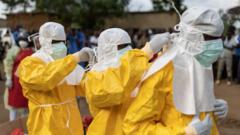
The Democratic Republic of Congo, a nation already beset by myriad challenges, now faces the ominous threat of an Ebola outbreak, a specter that has cast a dark shadow over the land. As reported by Vanguard News, the World Health Organization has declared an international health emergency in response to the outbreak, which has claimed the lives of over 80 people and infected many more. The epidemic, caused by the Bundibugyo virus, has been deemed a public health emergency of international concern, a designation that underscores the gravity of the situation. According to Daily Trust, the WHO's declaration of emergency is a testament to the organization's commitment to containing the outbreak and preventing its spread to other regions. Experts warn that the outbreak has the potential to spiral out of control, given the lack of a vaccine for this particular strain of the virus. As the situation continues to unfold, the people of DR Congo are left to grapple with the uncertainty and fear that accompanies such a deadly and highly infectious disease. The outbreak has already spread to major cities, including Goma, which is controlled by the Rwanda-backed M23 militia, a factor that could potentially complicate efforts to contain the outbreak. With almost 250 suspected cases reported, the situation is indeed dire, and the need for a concerted response is paramount.
As analysts point out, the DR Congo has faced repeated Ebola outbreaks in the past, a fact that highlights the need for sustained efforts to strengthen the nation's healthcare infrastructure. The WHO Director General, Tedros Adhanom Ghebreyesus, has emphasized the importance of a coordinated response to the outbreak, noting that the international community must come together to support the affected regions. As the world watches with bated breath, the people of DR Congo can only hope that the necessary measures will be taken to prevent the outbreak from spreading further. The situation is indeed a complex and multifaceted challenge, one that requires a nuanced and comprehensive approach. As reported by Al Jazeera Africa, the DRC is struggling to contain the outbreak, a fact that underscores the need for additional support and resources. The road ahead will be long and arduous, but with the right combination of international cooperation and local expertise, it is possible to bring the outbreak under control. As the situation continues to evolve, one thing is clear: the fate of the people of DR Congo hangs in the balance, and the world must come together to support them in this time of need. The economic, social, and cultural implications of the outbreak are far-reaching, and the long-term consequences of inaction could be devastating.
As the world responds to the crisis, it is essential to consider the historical context of the outbreak, as well as the future implications of the actions taken today. The technological and informational battlefield is also a critical component of the response, as accurate and timely information is essential for containing the outbreak. As the situation continues to unfold, the world will be watching with great interest, and the people of DR Congo will be waiting with bated breath for the support and relief they so desperately need. The clock is ticking, and the time for action is now. As the world responds to the crisis, it is essential to remember that the lives of thousands of people are at stake, and the consequences of inaction could be catastrophic. The WHO, UN, and other international organizations must work together to provide the necessary support and resources to contain the outbreak and prevent its spread. The people of DR Congo are counting on the international community to come to their aid in this time of need. The future of the region hangs in the balance, and the actions taken today will have far-reaching consequences for generations to come. As the situation continues to evolve, one thing is clear: the Ebola outbreak in DR Congo is a complex and multifaceted challenge that requires a nuanced and comprehensive approach.
The world must come together to support the affected regions and prevent the outbreak from spreading further. The time for action is now, and the clock is ticking. The lives of thousands of people are at stake, and the consequences of inaction could be devastating. The WHO, UN, and other international organizations must work together to provide the necessary support and resources to contain the outbreak and prevent its spread. As the world responds to the crisis, it is essential to consider the economic, social, and cultural implications of the outbreak, as well as the long-term consequences of the actions taken today. The technological and informational battlefield is also a critical component of the response, as accurate and timely information is essential for containing the outbreak. As the situation continues to unfold, the world will be watching with great interest, and the people of DR Congo will be waiting with bated breath for the support and relief they so desperately need.
The Epidemic's Dark Shadow: Fear, Uncertainty, and the Struggle for Control
The Ebola outbreak in DR Congo has cast a dark shadow over the land, a specter that has brought fear and uncertainty to the people of the region. As reported by BBC News Africa, the outbreak has been declared a health emergency, a designation that underscores the gravity of the situation. The lack of a vaccine for this particular strain of the virus has made it difficult to contain the outbreak, and the number of cases continues to rise. According to Al Jazeera Africa, the DRC is struggling to contain the outbreak, a fact that highlights the need for additional support and resources. The international community must come together to support the affected regions and prevent the outbreak from spreading further. As analysts point out, the DR Congo has faced repeated Ebola outbreaks in the past, a fact that underscores the need for sustained efforts to strengthen the nation's healthcare infrastructure. The WHO Director General, Tedros Adhanom Ghebreyesus, has emphasized the importance of a coordinated response to the outbreak, noting that the international community must come together to support the affected regions. As the world watches with bated breath, the people of DR Congo can only hope that the necessary measures will be taken to prevent the outbreak from spreading further. The situation is indeed a complex and multifaceted challenge, one that requires a nuanced and comprehensive approach.
The economic, social, and cultural implications of the outbreak are far-reaching, and the long-term consequences of inaction could be devastating. As the world responds to the crisis, it is essential to consider the historical context of the outbreak, as well as the future implications of the actions taken today. The technological and informational battlefield is also a critical component of the response, as accurate and timely information is essential for containing the outbreak. As the situation continues to unfold, the world will be watching with great interest, and the people of DR Congo will be waiting with bated breath for the support and relief they so desperately need. The clock is ticking, and the time for action is now. As the world responds to the crisis, it is essential to remember that the lives of thousands of people are at stake, and the consequences of inaction could be catastrophic. The WHO, UN, and other international organizations must work together to provide the necessary support and resources to contain the outbreak and prevent its spread. The people of DR Congo are counting on the international community to come to their aid in this time of need. The future of the region hangs in the balance, and the actions taken today will have far-reaching consequences for generations to come. As the situation continues to evolve, one thing is clear: the Ebola outbreak in DR Congo is a complex and multifaceted challenge that requires a nuanced and comprehensive approach.
The world must come together to support the affected regions and prevent the outbreak from spreading further. The time for action is now, and the clock is ticking. The lives of thousands of people are at stake, and the consequences of inaction could be devastating. As the world responds to the crisis, it is essential to consider the economic, social, and cultural implications of the outbreak, as well as the long-term consequences of the actions taken today. The technological and informational battlefield is also a critical component of the response, as accurate and timely information is essential for containing the outbreak. As the situation continues to unfold, the world will be watching with great interest, and the people of DR Congo will be waiting with bated breath for the support and relief they so desperately need. The WHO, UN, and other international organizations must work together to provide the necessary support and resources to contain the outbreak and prevent its spread. The people of DR Congo are counting on the international community to come to their aid in this time of need. The future of the region hangs in the balance, and the actions taken today will have far-reaching consequences for generations to come. As the situation continues to evolve, one thing is clear: the Ebola outbreak in DR Congo is a complex and multifaceted challenge that requires a nuanced and comprehensive approach.
The world must come together to support the affected regions and prevent the outbreak from spreading further. The time for action is now, and the clock is ticking. The lives of thousands of people are at stake, and the consequences of inaction could be devastating.
The Economic Backdrop: A Delicate Balance of Resources and Relief
The Ebola outbreak in DR Congo has significant economic implications, a fact that underscores the need for a coordinated response to the crisis. As reported by Vanguard News, the WHO has declared an international health emergency, a designation that highlights the gravity of the situation. The lack of a vaccine for this particular strain of the virus has made it difficult to contain the outbreak, and the number of cases continues to rise. According to Al Jazeera Africa, the DRC is struggling to contain the outbreak, a fact that highlights the need for additional support and resources. The international community must come together to support the affected regions and prevent the outbreak from spreading further. As analysts point out, the DR Congo has faced repeated Ebola outbreaks in the past, a fact that underscores the need for sustained efforts to strengthen the nation's healthcare infrastructure. The WHO Director General, Tedros Adhanom Ghebreyesus, has emphasized the importance of a coordinated response to the outbreak, noting that the international community must come together to support the affected regions. As the world watches with bated breath, the people of DR Congo can only hope that the necessary measures will be taken to prevent the outbreak from spreading further. The situation is indeed a complex and multifaceted challenge, one that requires a nuanced and comprehensive approach.
The economic, social, and cultural implications of the outbreak are far-reaching, and the long-term consequences of inaction could be devastating. As the world responds to the crisis, it is essential to consider the historical context of the outbreak, as well as the future implications of the actions taken today. The technological and informational battlefield is also a critical component of the response, as accurate and timely information is essential for containing the outbreak. As the situation continues to unfold, the world will be watching with great interest, and the people of DR Congo will be waiting with bated breath for the support and relief they so desperately need. The clock is ticking, and the time for action is now. As the world responds to the crisis, it is essential to remember that the lives of thousands of people are at stake, and the consequences of inaction could be catastrophic. The WHO, UN, and other international organizations must work together to provide the necessary support and resources to contain the outbreak and prevent its spread. The people of DR Congo are counting on the international community to come to their aid in this time of need. The future of the region hangs in the balance, and the actions taken today will have far-reaching consequences for generations to come. As the situation continues to evolve, one thing is clear: the Ebola outbreak in DR Congo is a complex and multifaceted challenge that requires a nuanced and comprehensive approach.
The world must come together to support the affected regions and prevent the outbreak from spreading further. The time for action is now, and the clock is ticking. The lives of thousands of people are at stake, and the consequences of inaction could be devastating. As the world responds to the crisis, it is essential to consider the economic, social, and cultural implications of the outbreak, as well as the long-term consequences of the actions taken today. The technological and informational battlefield is also a critical component of the response, as accurate and timely information is essential for containing the outbreak. As the situation continues to unfold, the world will be watching with great interest, and the people of DR Congo will be waiting with bated breath for the support and relief they so desperately need. The WHO, UN, and other international organizations must work together to provide the necessary support and resources to contain the outbreak and prevent its spread. The people of DR Congo are counting on the international community to come to their aid in this time of need. The future of the region hangs in the balance, and the actions taken today will have far-reaching consequences for generations to come. As the situation continues to evolve, one thing is clear: the Ebola outbreak in DR Congo is a complex and multifaceted challenge that requires a nuanced and comprehensive approach.
The world must come together to support the affected regions and prevent the outbreak from spreading further. The time for action is now, and the clock is ticking. The lives of thousands of people are at stake, and the consequences of inaction could be devastating.
Future Implications: A Blueprint for Action or a Band-Aid Solution?
The Ebola outbreak in DR Congo has significant future implications, a fact that underscores the need for a coordinated response to the crisis. As reported by Daily Trust, the WHO has declared an international health emergency, a designation that highlights the gravity of the situation. The lack of a vaccine for this particular strain of the virus has made it difficult to contain the outbreak, and the number of cases continues to rise. According to Al Jazeera Africa, the DRC is struggling to contain the outbreak, a fact that highlights the need for additional support and resources. The international community must come together to support the affected regions and prevent the outbreak from spreading further. As analysts point out, the DR Congo has faced repeated Ebola outbreaks in the past, a fact that underscores the need for sustained efforts to strengthen the nation's healthcare infrastructure. The WHO Director General, Tedros Adhanom Ghebreyesus, has emphasized the importance of a coordinated response to the outbreak, noting that the international community must come together to support the affected regions. As the world watches with bated breath, the people of DR Congo can only hope that the necessary measures will be taken to prevent the outbreak from spreading further. The situation is indeed a complex and multifaceted challenge, one that requires a nuanced and comprehensive approach.
The economic, social, and cultural implications of the outbreak are far-reaching, and the long-term consequences of inaction could be devastating. As the world responds to the crisis, it is essential to consider the historical context of the outbreak, as well as the future implications of the actions taken today. The technological and informational battlefield is also a critical component of the response, as accurate and timely information is essential for containing the outbreak. As the situation continues to unfold, the world will be watching with great interest, and the people of DR Congo will be waiting with bated breath for the support and relief they so desperately need. The clock is ticking, and the time for action is now. As the world responds to the crisis, it is essential to remember that the lives of thousands of people are at stake, and the consequences of inaction could be catastrophic. The WHO, UN, and other international organizations must work together to provide the necessary support and resources to contain the outbreak and prevent its spread. The people of DR Congo are counting on the international community to come to their aid in this time of need. The future of the region hangs in the balance, and the actions taken today will have far-reaching consequences for generations to come. As the situation continues to evolve, one thing is clear: the Ebola outbreak in DR Congo is a complex and multifaceted challenge that requires a nuanced and comprehensive approach.
The world must come together to support the affected regions and prevent the outbreak from spreading further. The time for action is now, and the clock is ticking. The lives of thousands of people are at stake, and the consequences of inaction could be devastating. As the world responds to the crisis, it is essential to consider the economic, social, and cultural implications of the outbreak, as well as the long-term consequences of the actions taken today. The technological and informational battlefield is also a critical component of the response, as accurate and timely information is essential for containing the outbreak. As the situation continues to unfold, the world will be watching with great interest, and the people of DR Congo will be waiting with bated breath for the support and relief they so desperately need. The WHO, UN, and other international organizations must work together to provide the necessary support and resources to contain the outbreak and prevent its spread. The people of DR Congo are counting on the international community to come to their aid in this time of need. The future of the region hangs in the balance, and the actions taken today will have far-reaching consequences for generations to come. As the situation continues to evolve, one thing is clear: the **Ebola outbreak in
📰 Sources Cited
- Google News Nigeria: WHO declares emergency as Ebola kills over 80 in DR Congo - Daily Trust
- Al Jazeera Africa: DRC struggling to contain Ebola outbreak as cases spread
- BBC News Africa: How worrying is the Ebola outbreak in DR Congo?
- Vanguard News: WHO declares int’l emergency as Ebola kills over 80 in DR Congo
0 Comments
Sign in to commentNo comments yet. Be the first to share your thoughts!