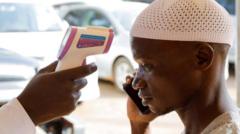
The Democratic Republic of Congo, a nation already beset by the turmoil of war and conflict, now finds itself in the grip of a catastrophic collision of disease and violence, as the Ebola outbreak continues to spread its dark shadow across the land. According to Al Jazeera Africa, the World Health Organization (WHO) chief, Tedros Adhanom Ghebreyesus, has warned of the dire consequences of this convergence, stating that stopping this Ebola transmission depends entirely on humanitarian access. The situation on the ground is grim, with BBC News Africa reporting that fighting in the DR Congo is severely hampering efforts to stop the spread of the disease. As the deadly haemorrhagic fever unfolds in a region already at the epicentre of fighting between the army and armed groups, the need for safe humanitarian corridors has become increasingly urgent, with officials from the DR Congo calling for their establishment to facilitate the delivery of aid to those affected. Meanwhile, in the midst of this chaos, the Muslim community in DRC has found a moment of solace and peace, as they gathered to observe Eid al-Adha in Bunia, a city at the heart of the ongoing Ebola outbreak. This poignant scene serves as a powerful reminder of the resilience and strength of the human spirit, even in the face of unimaginable adversity.
As the world watches, the people of the DR Congo continue to suffer, their lives torn apart by the twin crises of war and disease. The economic backdrop of this crisis is equally dire, with the outbreak already beginning to take a significant toll on the nation's economy, and the humanitarian response being severely hindered by the ongoing conflict. As experts and analysts warn of the potentially disastrous consequences of inaction, the international community is being called upon to take immediate and decisive action to address this crisis. The situation is complex, with multiple factors at play, and the need for a coordinated and comprehensive response has never been more pressing. As the people of the DR Congo struggle to survive, their story serves as a powerful reminder of the need for global solidarity and humanitarian action in the face of adversity. The road ahead will be long and difficult, but with the right support and assistance, there is still hope for a better future. As the world looks on, it is clear that the situation in the DR Congo is a humanitarian crisis of the highest order, one that demands immediate attention and action. The future implications of this crisis are far-reaching and profound, with the potential to impact not only the people of the DR Congo but also the wider region and beyond.
As the international community grapples with the challenges of responding to this crisis, it is clear that a new approach is needed, one that prioritizes humanitarian access and global cooperation. The stakes are high, and the consequences of failure could be catastrophic, but with the right approach, there is still a chance to turn the tide of this crisis and build a better future for the people of the DR Congo. As the situation continues to unfold, one thing is clear: the world cannot afford to turn a blind eye to the suffering of the people of the DR Congo. The time for action is now, and the need for a coordinated and comprehensive response has never been more pressing.
The Humanitarian Crisis: A Descent into Chaos
The humanitarian crisis unfolding in the Democratic Republic of Congo is a descent into chaos, with the Ebola outbreak and ongoing conflict combining to create a perfect storm of suffering and despair. According to AfricaNews.com, the spread of the deadly haemorrhagic fever is unfolding in a region that is already at the epicentre of fighting between the army and armed groups, making it extremely challenging for humanitarian workers to access affected areas. The WHO chief, Tedros Adhanom Ghebreyesus, has warned of the catastrophic consequences of this convergence, stating that stopping this Ebola transmission depends entirely on humanitarian access. The situation on the ground is grim, with Al Jazeera Africa reporting that fighting in the DR Congo is severely hampering efforts to stop the spread of the disease. As the humanitarian response continues to be hindered by the ongoing conflict, the need for safe humanitarian corridors has become increasingly urgent, with officials from the DR Congo calling for their establishment to facilitate the delivery of aid to those affected. The economic toll of this crisis is already being felt, with the outbreak beginning to take a significant impact on the nation's economy. As experts and analysts warn of the potentially disastrous consequences of inaction, the international community is being called upon to take immediate and decisive action to address this crisis.
The situation is complex, with multiple factors at play, and the need for a coordinated and comprehensive response has never been more pressing. As the people of the DR Congo struggle to survive, their story serves as a powerful reminder of the need for global solidarity and humanitarian action in the face of adversity. The Muslim community in DRC has found a moment of solace and peace, as they gathered to observe Eid al-Adha in Bunia, a city at the heart of the ongoing Ebola outbreak. This poignant scene serves as a powerful reminder of the resilience and strength of the human spirit, even in the face of unimaginable adversity. As the world watches, the people of the DR Congo continue to suffer, their lives torn apart by the twin crises of war and disease. The future implications of this crisis are far-reaching and profound, with the potential to impact not only the people of the DR Congo but also the wider region and beyond. As the international community grapples with the challenges of responding to this crisis, it is clear that a new approach is needed, one that prioritizes humanitarian access and global cooperation. The stakes are high, and the consequences of failure could be catastrophic, but with the right approach, there is still a chance to turn the tide of this crisis and build a better future for the people of the DR Congo.
As the situation continues to unfold, one thing is clear: the world cannot afford to turn a blind eye to the suffering of the people of the DR Congo. The time for action is now, and the need for a coordinated and comprehensive response has never been more pressing. The technological and informational battlefield is also playing a crucial role in this crisis, with social media and online platforms being used to spread awareness and mobilize support for the people of the DR Congo. However, the misinformation and disinformation that is also being spread through these channels is posing a significant challenge to the humanitarian response, and efforts are being made to combat this fake news and ensure that accurate and reliable information is being disseminated to the public.
The Economic Backdrop: A Nation on the Brink
The economic backdrop of this crisis is equally dire, with the outbreak already beginning to take a significant toll on the nation's economy. According to BBC News Africa, the economic impact of the Ebola outbreak is being felt across the country, with trade and commerce being severely disrupted by the ongoing conflict and disease. The WHO chief, Tedros Adhanom Ghebreyesus, has warned of the catastrophic consequences of this convergence, stating that stopping this Ebola transmission depends entirely on humanitarian access. The situation on the ground is grim, with Al Jazeera Africa reporting that fighting in the DR Congo is severely hampering efforts to stop the spread of the disease. As the humanitarian response continues to be hindered by the ongoing conflict, the need for safe humanitarian corridors has become increasingly urgent, with officials from the DR Congo calling for their establishment to facilitate the delivery of aid to those affected. The economic toll of this crisis is already being felt, with the outbreak beginning to take a significant impact on the nation's economy. As experts and analysts warn of the potentially disastrous consequences of inaction, the international community is being called upon to take immediate and decisive action to address this crisis. The situation is complex, with multiple factors at play, and the need for a coordinated and comprehensive response has never been more pressing.
As the people of the DR Congo struggle to survive, their story serves as a powerful reminder of the need for global solidarity and humanitarian action in the face of adversity. The Muslim community in DRC has found a moment of solace and peace, as they gathered to observe Eid al-Adha in Bunia, a city at the heart of the ongoing Ebola outbreak. This poignant scene serves as a powerful reminder of the resilience and strength of the human spirit, even in the face of unimaginable adversity. As the world watches, the people of the DR Congo continue to suffer, their lives torn apart by the twin crises of war and disease. The future implications of this crisis are far-reaching and profound, with the potential to impact not only the people of the DR Congo but also the wider region and beyond. As the international community grapples with the challenges of responding to this crisis, it is clear that a new approach is needed, one that prioritizes humanitarian access and global cooperation. The stakes are high, and the consequences of failure could be catastrophic, but with the right approach, there is still a chance to turn the tide of this crisis and build a better future for the people of the DR Congo.
As the situation continues to unfold, one thing is clear: the world cannot afford to turn a blind eye to the suffering of the people of the DR Congo. The time for action is now, and the need for a coordinated and comprehensive response has never been more pressing. The cultural and social dimension of this crisis is also playing a significant role, with the social fabric of the nation being severely strained by the ongoing conflict and disease. As the humanitarian response continues to be hindered by the ongoing conflict, the need for safe humanitarian corridors has become increasingly urgent, with officials from the DR Congo calling for their establishment to facilitate the delivery of aid to those affected.
The Cultural and Social Dimension: A Nation in Turmoil
The cultural and social dimension of this crisis is also playing a significant role, with the social fabric of the nation being severely strained by the ongoing conflict and disease. According to AfricaNews.com, the Muslim community in DRC has found a moment of solace and peace, as they gathered to observe Eid al-Adha in Bunia, a city at the heart of the ongoing Ebola outbreak. This poignant scene serves as a powerful reminder of the resilience and strength of the human spirit, even in the face of unimaginable adversity. As the world watches, the people of the DR Congo continue to suffer, their lives torn apart by the twin crises of war and disease. The future implications of this crisis are far-reaching and profound, with the potential to impact not only the people of the DR Congo but also the wider region and beyond. As the international community grapples with the challenges of responding to this crisis, it is clear that a new approach is needed, one that prioritizes humanitarian access and global cooperation. The stakes are high, and the consequences of failure could be catastrophic, but with the right approach, there is still a chance to turn the tide of this crisis and build a better future for the people of the DR Congo.
As the situation continues to unfold, one thing is clear: the world cannot afford to turn a blind eye to the suffering of the people of the DR Congo. The time for action is now, and the need for a coordinated and comprehensive response has never been more pressing. The technological and informational battlefield is also playing a crucial role in this crisis, with social media and online platforms being used to spread awareness and mobilize support for the people of the DR Congo. However, the misinformation and disinformation that is also being spread through these channels is posing a significant challenge to the humanitarian response, and efforts are being made to combat this fake news and ensure that accurate and reliable information is being disseminated to the public. As the humanitarian response continues to be hindered by the ongoing conflict, the need for safe humanitarian corridors has become increasingly urgent, with officials from the DR Congo calling for their establishment to facilitate the delivery of aid to those affected. The economic toll of this crisis is already being felt, with the outbreak beginning to take a significant impact on the nation's economy. As experts and analysts warn of the potentially disastrous consequences of inaction, the international community is being called upon to take immediate and decisive action to address this crisis.
The situation is complex, with multiple factors at play, and the need for a coordinated and comprehensive response has never been more pressing. As the people of the DR Congo struggle to survive, their story serves as a powerful reminder of the need for global solidarity and humanitarian action in the face of adversity.
Future Implications: A Blueprint for Action
The future implications of this crisis are far-reaching and profound, with the potential to impact not only the people of the DR Congo but also the wider region and beyond. As the international community grapples with the challenges of responding to this crisis, it is clear that a new approach is needed, one that prioritizes humanitarian access and global cooperation. The stakes are high, and the consequences of failure could be catastrophic, but with the right approach, there is still a chance to turn the tide of this crisis and build a better future for the people of the DR Congo. As the situation continues to unfold, one thing is clear: the world cannot afford to turn a blind eye to the suffering of the people of the DR Congo. The time for action is now, and the need for a coordinated and comprehensive response has never been more pressing. The WHO chief, Tedros Adhanom Ghebreyesus, has warned of the catastrophic consequences of this convergence, stating that stopping this Ebola transmission depends entirely on humanitarian access. The situation on the ground is grim, with Al Jazeera Africa reporting that fighting in the DR Congo is severely hampering efforts to stop the spread of the disease. As the humanitarian response continues to be hindered by the ongoing conflict, the need for safe humanitarian corridors has become increasingly urgent, with officials from the DR Congo calling for their establishment to facilitate the delivery of aid to those affected.
The economic toll of this crisis is already being felt, with the outbreak beginning to take a significant impact on the nation's economy. As experts and analysts warn of the potentially disastrous consequences of inaction, the international community is being called upon to take immediate and decisive action to address this crisis. The situation is complex, with multiple factors at play, and the need for a coordinated and comprehensive response has never been more pressing. As the people of the DR Congo struggle to survive, their story serves as a powerful reminder of the need for global solidarity and humanitarian action in the face of adversity. The future implications of this crisis are far-reaching and profound, with the potential to impact not only the people of the DR Congo but also the wider region and beyond. As the international community grapples with the challenges of responding to this crisis, it is clear that a new approach is needed, one that prioritizes humanitarian access and global cooperation. The stakes are high, and the consequences of failure could be catastrophic, but with the right approach, there is still a chance to turn the tide of this crisis and build a better future for the people of the DR Congo. As the situation continues to unfold, one thing is clear: the world cannot afford to turn a blind eye to the suffering of the people of the DR Congo.
The time for action is now, and the need for a coordinated and comprehensive response has never been more pressing.
📰 Sources Cited
- Al Jazeera Africa: DRC facing ‘catastrophic collision’ of Ebola and war, WHO chief warns
- BBC News Africa: Ebola-hit DR Congo faces 'catastrophic collision' of disease and conflict, WHO warns
- AfricaNews.com: DR Congo officials call for safe humanitarian corridors amid Ebola outbreak
- AfricaNews.com: Muslim community in DRC celebrates Eid al-Adha amid Ebola outbreak
0 Comments
Sign in to commentNo comments yet. Be the first to share your thoughts!