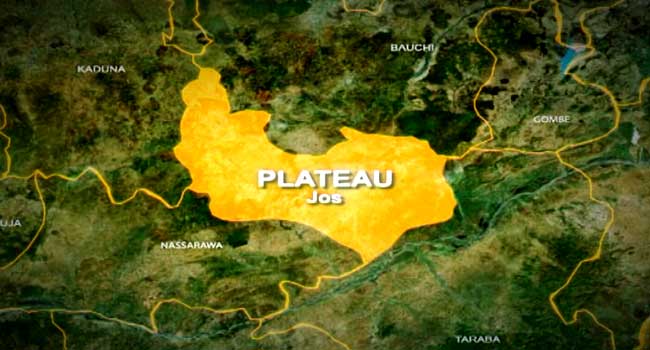
The night of July 1, 2026, cast a long and ominous shadow over the National Institute for Policy and Strategic Studies (NIPSS) in Kuru, Plateau State, as the institution faced yet another brazen attack by suspected gunmen. The security operatives stationed at the institute, however, proved to be a formidable bulwark against the assault, repelling the attackers and killing one of the suspected gunmen in the process. This latest incident is a stark reminder of the persistent insecurity that has come to characterize parts of Nigeria, with the NIPSS having been attacked just two weeks prior, resulting in the tragic loss of three security operatives. According to reports from Blueprint Newspapers and Punch Nigeria, the attackers targeted the residences of key personnel, including the Acting Director of Studies, Barrister Nima Salman-Mann, and a Directing Staff, Professor Haruna Dabin, underscoring the calculated nature of the assault. As the nation grapples with the implications of this attack, it is clear that the security challenges facing the country are multifaceted and require a comprehensive response. The NIPSS, as a premier institution dedicated to policy and strategic studies, is not only a hub of intellectual activity but also a symbol of the country's quest for development and stability.
The fact that it has been targeted not once but twice in a short span is a cause for concern and warrants a deeper examination of the security landscape in Nigeria. The attack on NIPSS is not an isolated incident; it is part of a larger narrative of insecurity that has plagued the country, with various regions experiencing different forms of violence and criminal activity. As Vanguard News reported, troops of Operation Enduring Peace have been engaged in efforts to neutralize terrorist threats across Plateau State, having neutralized six suspected terrorists in separate operations. This context is crucial in understanding the environment in which the NIPSS attack occurred.
The Turbulent Landscape: Insecurity and the NIPSS Under Siege
The attack on NIPSS is set against a backdrop of heightened insecurity in Plateau State and beyond. The institution, known for its role in fostering strategic thinking and policy development, has found itself at the center of a maelstrom of violence. Daily Trust reported that the assailants were repelled by security operatives, who killed one of the attackers, highlighting the bravery and vigilance of the personnel on duty. The fact that the attackers were able to launch a coordinated assault on the institute's security perimeter at around 11 p.m. raises questions about the adequacy of the existing security measures and the need for enhanced vigilance. Politics Nigeria quoted sources indicating that the security operatives engaged the attackers in a fierce gun duel, forcing them to retreat. This incident, coming on the heels of a previous attack, underscores the evolving nature of the threats faced by the institution and the need for a robust security response. The NIPSS, as a critical infrastructure for national development, must be protected, and the security challenges it faces are not just a local issue but a national concern. The attack is a stark reminder of the pervasive insecurity that affects various aspects of Nigerian life, from economic activities to social interactions and intellectual pursuits.
As experts and analysts have noted, the root causes of insecurity in Nigeria are complex, involving factors such as poverty, unemployment, and governance issues. Addressing these underlying issues is crucial to creating a more secure environment for institutions like NIPSS to thrive.
The Security Paradox: Strengthening Defenses in a Challenging Environment
In the aftermath of the attack, the resilience of the NIPSS community and the effectiveness of its security apparatus have been subjects of considerable interest. The killing of one of the suspected gunmen is seen as a testament to the capability of the security operatives stationed at the institute. However, the fact that the attackers were able to launch such a bold assault also highlights the challenges faced by security agencies in Nigeria. According to Captain Chinonso Polycarp Oteh, the Media Information Officer of the Joint Task Force, troops have been engaged in ongoing operations to dismantle terrorist camps and neutralize threats across Plateau State. Vanguard News detailed the military's efforts, including an operation on June 26 where troops stormed Gero Highground in Jos South Local Government Area, coming under fire from terrorists who used livestock as cover. The military's response to such incidents involves not just immediate action but also follow-up operations to ensure that the perpetrators are brought to justice and their networks disrupted. The security operatives at NIPSS have demonstrated their commitment to protecting the institution, but the recurring nature of the attacks suggests that there is a need for a more nuanced and multi-faceted approach to security.
This includes not just enhancing the physical security measures but also addressing the broader socio-economic factors that contribute to insecurity. As officials have noted, the security landscape in Nigeria is complex, requiring a comprehensive strategy that involves various stakeholders, including government agencies, civil society, and the local communities.
Future Implications: A Nation Under Siege or a Path to Stability?
The attack on NIPSS and the subsequent response by security operatives raise important questions about the future of security in Nigeria. On one hand, the ability of the security agencies to repel the attack and neutralize some of the threats is a positive indicator of their capabilities. On the other hand, the frequency and audacity of such attacks suggest that there is still much work to be done to ensure the safety of critical infrastructure and the general populace. As the nation looks to the future, it is clear that a sustained effort is required to address the root causes of insecurity and to strengthen the security architecture. This involves not just military and law enforcement actions but also socio-economic interventions aimed at reducing the drivers of violence and criminality. The NIPSS, as a think tank, has a critical role to play in informing policy and strategic decisions that can help navigate these challenges. By analyzing the security situation and proposing viable solutions, the institution can contribute to the development of a more secure and stable Nigeria. The road ahead is fraught with challenges, but with a concerted effort from all stakeholders, there is hope for a more secure future. The resilience of institutions like NIPSS and the bravery of security operatives are beacons of hope in a landscape marked by uncertainty.
As the country moves forward, it is imperative that the lessons from the NIPSS attack are learned and that the security framework is strengthened to prevent future incidents. The future implications of the attack on NIPSS are far-reaching, touching on aspects of national security, economic stability, and social cohesion. Addressing these challenges will require a holistic approach that balances immediate security needs with long-term development goals. In this context, the NIPSS attack serves as a catalyst for a broader national conversation on security and development, highlighting the need for a unified and proactive response to the challenges facing Nigeria.
📰 Sources Cited
- Blueprint Newspapers: Security operatives kill suspected gunman as NIPSS foils fresh attack
- Punch Nigeria: Gunmen attack NIPSS again, one assailant killed
- Vanguard News: Troops kill six terrorists, recover arms in Plateau
- Daily Trust: Assailant killed as security operatives repel fresh attack on NIPSS
- Politics Nigeria: JUST IN: Security Operatives Repel Fresh Attack on NIPSS, One Killed
0 Comments
Sign in to commentNo comments yet. Be the first to share your thoughts!