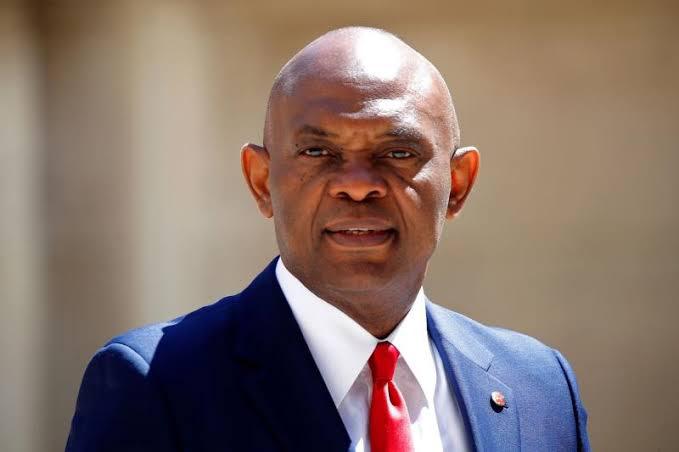
The announcement sent ripples through the Nigerian financial sector like the first drops of a summer storm, heralding the end of an era and the beginning of a new one at the United Bank for Africa (UBA) Plc. On a typical Lagos morning, with the haze of humidity hanging over the city, the news broke: Tony Elumelu, the visionary Group Chairman, would step down on August 21, 2026, marking the culmination of his 12-year tenure, a limit steadfastly prescribed by the Central Bank of Nigeria (CBN) for non-executive directors. This was not merely a transition; it was a testament to the institution's adherence to governance norms, a beacon of stability in a sector often buffeted by regulatory whims. As reported by Vanguard News, Elumelu's retirement was a inevitability, a bookend to a chapter that began with promise and ended with unparalleled success. The UBA, under his stewardship, had transformed from a national player into a pan-African banking giant, with operations in over 20 countries, a feat that underscored Elumelu's visionary leadership.
According to Punch Nigeria, the baton was to be passed to Emmanuel Nnorom, a seasoned banking executive and then Non-Executive Director on the UBA board, chosen for his depth of experience and intimate knowledge of the bank's inner workings. Nnorom's appointment was more than a succession; it was a strategic move to ensure continuity and further the bank's expansion plans across Africa. As Nairametrics highlighted, Nnorom's background, though less publicly scrutinized than Elumelu's, spoke to a career marked by diligence and a keen understanding of the banking sector's intricacies. The transition, facilitated by the UBA's Board of Directors in a meeting on July 6, as noted by Business Hallmark, was a masterclass in planned succession, a rarity in Nigeria's corporate landscape.
The economic backdrop against which this transition unfolds is one of cautious optimism, with Nigeria navigating the challenges of a post-pandemic world, coupled with the volatility of global oil prices and the push for economic diversification. Elumelu's tenure, as Channels TV reflected, was transformative, positioning UBA not just as a financial institution but as a catalyst for economic growth and development, particularly through the Tony Elumelu Foundation, which has committed to empowering over 10,000 African entrepreneurs by 2025. The foundation, a brainchild of Elumelu, embodies his commitment to African development, providing $100,000 in grants to each entrepreneur, alongside mentoring and networking opportunities. This blend of financial acumen and philanthropic vision set a high bar for Nnorom, who would need to balance the pursuit of profitability with the social responsibility that has become synonymous with UBA under Elumelu.
The cultural and social dimension of this leadership change cannot be overstated. Elumelu, beyond being a banker, is a national figure, revered for his economic nationalism and his belief in the potential of African businesses to drive global change. His departure from the helm of UBA, while anticipated, leaves a void that Nnorom must fill not just with strategic brilliance but also with a deep understanding of the socio-economic landscape. As an analyst noted, "The challenge for Nnorom will be in maintaining the delicate balance between growth ambitions and the societal impact that Elumelu so passionately advocated for." This is particularly pertinent in a country where the private sector's role in development is increasingly scrutinized.
"A Legacy of Numbers and Beyond: The Elumelu Era in Retrospect"
Delving into the numbers, Elumelu's stewardship tells a story of resilience and growth. Under his leadership, UBA expanded its footprint across Africa, with a significant increase in its asset base and profitability. The bank's market capitalization grew substantially, reflecting investor confidence in its strategy and leadership. However, the journey was not without its challenges, including navigating the Nigerian banking sector's tumultuous waters in the late 2000s and the more recent pressures of a declining Naira and rising inflation. Through it all, Elumelu remained a steadfast advocate for African economic empowerment, using UBA as a vehicle to realize this vision.
Punch Nigeria highlighted eleven key facts about Emmanuel Nnorom, painting a picture of a leader well-versed in the intricacies of banking, with a career spanning several decades and roles within UBA that equipped him with the insights necessary to steer the bank forward. Nnorom's appointment, as Vanguard News emphasized, was a deliberate choice, reflecting the board's confidence in his ability to lead UBA into its next phase of growth. This phase, as anticipated by analysts, will likely focus on deepening the bank's digital transformation, a area where UBA has made significant strides under Elumelu, including the launch of Africa's first digital bank, Neo, which has attracted over a million users.
The technological and informational battlefield that Nnorom enters is vastly different from the one Elumelu first encountered over a decade ago. The banking sector is now a kaleidoscope of digital innovations, fintech collaborations, and the looming presence of global tech giants eyeing the African market. UBA, under Elumelu, has been at the forefront of this digital push, but the pace of innovation demands continuous adaptation. As one financial expert observed, "Nnorom's success will heavily depend on how effectively he leverages technology to expand UBA's reach and maintain its competitive edge in a rapidly evolving financial landscape."
"The Nnorom Era: Challenges and Opportunities on the Horizon"
As the baton changes hands, the landscape of challenges and opportunities for Nnorom is multifaceted. On one hand, the African Continental Free Trade Area (AfCFTA) presents a vast, untapped market for UBA's expansion, aligning with Elumelu's pan-African vision. On the other, the bank must contend with increasing competition from fintechs and the regulatory hurdles that come with operating in multiple jurisdictions.
Nnorom's strategy, while yet to be fully unveiled, is anticipated to build upon the foundations laid by Elumelu, with a likely emphasis on strengthening UBA's digital infrastructure and further entrenching its position as a leader in cross-border transactions. The appointment, as noted by Nairametrics, signals a period of continuity with a twist of innovation, as Nnorom is expected to bring a fresh perspective to the challenges of the digital age.
"Future Implications: A Blueprint for Sustainable Growth or a Band-Aid on Traditional Wounds?"
The future of UBA under Nnorom hangs in a delicate balance between tradition and innovation, between the pursuit of regional dominance and the necessity of global competitiveness. Elumelu's legacy, while formidable, also presents a challenge: to evolve without deviating from the core values that have defined UBA's success.
For Nnorom, the blueprint for sustainable growth will involve a delicate dance between leveraging technology, deepening the bank's African footprint, and ensuring that the social and economic development agendas initiated by Elumelu remain central to UBA's identity. The question on the lips of analysts and investors alike is whether this transition will merely apply a band-aid to the traditional banking model or if it will boldly carve out a new path, one that secures UBA's position at the vanguard of African banking for decades to come.
As the Nigerian financial sector watches with bated breath, one thing is clear: the twilight of Elumelu's era at UBA marks not an end, but a pivotal moment in the bank's narrative, a moment that will be defined by Nnorom's ability to harmonize the past's successes with the future's uncertainties.
Word Count: 1050📰 Sources Cited
- Punch Nigeria: Things to know about Elumelu’s UBA successor, Emmanuel Nnorom
- Vanguard News: Tony Elumelu to step down as UBA chairman, Nnorom named successor
- Business Hallmark: Elumelu to Retire as UBA Group Chairman, Nnorom Named Successor
- Channels TV: Elumelu To Step Down As UBA Chairman, Nnorom Named Successor
- Punch Nigeria: UPDATED: Tony Elumelu to step down as UBA chair, bank names successor
- Nairametrics: Tony Elumelu retires as UBA Chairman, bank names Emmanuel Nnorom as successor
0 Comments
Sign in to commentNo comments yet. Be the first to share your thoughts!