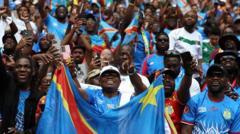
The world of football is abuzz with excitement as the 2026 FIFA World Cup approaches, bringing with it a multitude of storylines that transcend the beautiful game itself. As the tournament draws near, fans from all corners of the globe are eagerly anticipating the spectacle that will unfold on the pitch. According to Al Jazeera Africa, Norway's impressive qualifying campaign, led by the prolific Erling Haaland, has secured their first World Cup appearance since 1998, sending shockwaves of excitement throughout the football community. This remarkable achievement is a testament to the team's dedication and perseverance, and fans are eager to see how they will fare against the world's top teams. As reported by BBC News Africa, the latest Ebola outbreak has imposed significant travel restrictions, affecting teams like DR Congo, whose fans are facing a major hurdle in their quest to support their side's return to the World Cup. Despite these challenges, the football world remains optimistic, with experts predicting a thrilling tournament that will showcase the best of the sport. With the countdown to the 2026 FIFA World Cup underway, fans are eagerly awaiting the opportunity to witness history in the making. As Vanguard News notes, Iraq's historic return to the global stage is a significant milestone, marking a new era for the team and its fans.
The stage is set for a captivating tournament, with matches scheduled to take place at iconic venues like Gillette Stadium, promising an unforgettable experience for players and spectators alike. As the world prepares to come together in celebration of the beautiful game, the 2026 FIFA World Cup is poised to be an event like no other, with its unique blend of passion, politics, and sportsmanship. With the tournament's fixtures, groups, and schedule now finalized, the anticipation is palpable, and fans are eagerly anticipating the start of the competition. According to Complete Sports, World Cup betting has moved into its serious phase, with Spain and France emerging as favorites, leading the market at 11/2 and 6/1 respectively on BetMGM. As the football world gears up for the ultimate showdown, the 2026 FIFA World Cup promises to be an unforgettable experience, filled with drama, excitement, and unforgettable moments. With the tournament's global reach and appeal, it is an event that will bring people together, transcending borders and cultures, and reminding us of the power of sports to unite and inspire. As the clock ticks down to the start of the tournament, the world is holding its breath, eager to witness the magic of the 2026 FIFA World Cup.
The Economic Backdrop: Sponsorships, Broadcasting Rights, and Revenue Streams
The 2026 FIFA World Cup is not just a sporting event, but a global spectacle that generates significant revenue through sponsorships, broadcasting rights, and merchandise sales. As reported by Google News Nigeria, the tournament's economic impact is substantial, with millions of dollars at stake. According to experts, the World Cup is a major driver of economic growth, creating jobs, stimulating local economies, and generating revenue for host countries. The tournament's broadcasting rights are a significant source of income, with major networks like BBC and Al Jazeera securing exclusive deals to broadcast the matches to a global audience. Sponsorships are another key revenue stream, with top brands like Coca-Cola, Adidas, and Nike investing heavily in the tournament. As noted by AfricaNews.com, Mexico's offer to host Iran's national football team during the 2026 World Cup is a significant development, highlighting the tournament's diplomatic and political dimensions. The economic backdrop of the World Cup is complex, with multiple stakeholders and interests at play. As the tournament approaches, the economic implications of the event are becoming increasingly clear, with experts predicting a significant boost to local economies and a substantial increase in revenue for the football industry. With the tournament's global reach and appeal, the economic benefits of the 2026 FIFA World Cup are expected to be felt far beyond the football pitch.
As the world prepares to come together in celebration of the beautiful game, the economic dimensions of the tournament are a reminder of the significant impact that sports can have on local and global economies. According to Vanguard News, the full list of countries that replaced withdrawn teams in the FIFA World Cup is a testament to the tournament's complexity and unpredictability, highlighting the need for flexibility and adaptability in the face of uncertainty. As the 2026 FIFA World Cup approaches, the economic backdrop of the tournament is a fascinating and complex aspect of the event, filled with opportunities and challenges for stakeholders and fans alike. With the tournament's economic implications expected to be felt for years to come, the 2026 FIFA World Cup is an event that will have a lasting impact on the football industry and beyond. As the clock ticks down to the start of the tournament, the economic dimensions of the event are a reminder of the significant role that sports play in shaping local and global economies.
The Cultural and Social Dimension: Identity, Community, and the Power of Sports
The 2026 FIFA World Cup is more than just a sporting event; it is a cultural and social phenomenon that brings people together, transcending borders and cultures. As reported by Complete Sports, the tournament's cultural and social dimensions are a significant aspect of the event, with fans from all over the world coming together to celebrate their love of football. According to experts, the World Cup has the power to unite people, creating a sense of community and shared identity among fans. The tournament's cultural significance is evident in the way that fans express themselves, through music, dance, and art, showcasing their team spirit and national pride. As noted by Al Jazeera Africa, Norway's qualification for the World Cup is a significant cultural milestone, marking a new era for the team and its fans. The cultural and social dimensions of the tournament are complex, with multiple stakeholders and interests at play. As the world prepares to come together in celebration of the beautiful game, the cultural and social implications of the event are becoming increasingly clear, with experts predicting a significant impact on local and global communities. According to BBC News Africa, the latest Ebola outbreak has imposed significant travel restrictions, affecting teams like DR Congo, whose fans are facing a major hurdle in their quest to support their side's return to the World Cup.
Despite these challenges, the football world remains optimistic, with fans eager to come together in celebration of the beautiful game. As the 2026 FIFA World Cup approaches, the cultural and social dimensions of the tournament are a reminder of the significant role that sports play in shaping local and global communities. With the tournament's global reach and appeal, the cultural and social implications of the event are expected to be felt far beyond the football pitch. As the clock ticks down to the start of the tournament, the cultural and social dimensions of the event are a testament to the power of sports to unite and inspire people, creating a sense of community and shared identity among fans. According to AfricaNews.com, Mexico's offer to host Iran's national football team during the 2026 World Cup is a significant development, highlighting the tournament's diplomatic and political dimensions. As the world prepares to come together in celebration of the beautiful game, the cultural and social dimensions of the tournament are a fascinating and complex aspect of the event, filled with opportunities and challenges for stakeholders and fans alike.
The Technological and Informational Battlefield: Broadcasting, Social Media, and the Digital Age
The 2026 FIFA World Cup is a technological and informational battlefield, with the latest advancements in broadcasting, social media, and digital technology playing a significant role in the tournament. As reported by Google News Nigeria, the tournament's broadcasting rights are a significant source of income, with major networks like BBC and Al Jazeera securing exclusive deals to broadcast the matches to a global audience. According to experts, the World Cup is a major driver of technological innovation, with the latest advancements in digital technology and social media changing the way that fans experience the tournament. The tournament's social media presence is a significant aspect of the event, with fans taking to platforms like Twitter, Facebook, and Instagram to share their thoughts, opinions, and experiences. As noted by Complete Sports, the tournament's digital dimensions are a complex and fascinating aspect of the event, with fans able to access a wealth of information, statistics, and analysis through online platforms and mobile apps. The technological and informational battlefield of the World Cup is a rapidly evolving landscape, with new technologies and innovations emerging all the time. As the world prepares to come together in celebration of the beautiful game, the technological and informational implications of the event are becoming increasingly clear, with experts predicting a significant impact on the way that fans experience and interact with the tournament.
According to Vanguard News, the full list of countries that replaced withdrawn teams in the FIFA World Cup is a testament to the tournament's complexity and unpredictability, highlighting the need for flexibility and adaptability in the face of uncertainty. As the 2026 FIFA World Cup approaches, the technological and informational dimensions of the tournament are a reminder of the significant role that technology plays in shaping the football industry and beyond. With the tournament's global reach and appeal, the technological and informational implications of the event are expected to be felt far beyond the football pitch. As the clock ticks down to the start of the tournament, the technological and informational dimensions of the event are a testament to the power of technology to transform and enhance the fan experience, creating new opportunities for engagement, interaction, and participation. According to Al Jazeera Africa, Norway's qualification for the World Cup is a significant technological milestone, marking a new era for the team and its fans. As the world prepares to come together in celebration of the beautiful game, the technological and informational dimensions of the tournament are a fascinating and complex aspect of the event, filled with opportunities and challenges for stakeholders and fans alike.
Future Implications: A Blueprint for Success or a Band-Aid on a Broken System?
The 2026 FIFA World Cup is a significant event that will have far-reaching implications for the football industry and beyond. As the tournament approaches, experts are predicting a significant impact on local and global economies, communities, and cultures. According to Google News Nigeria, the tournament's economic implications are a significant aspect of the event, with millions of dollars at stake. The tournament's cultural and social dimensions are also expected to have a significant impact, with fans from all over the world coming together to celebrate their love of football. As noted by Complete Sports, the tournament's technological and informational dimensions are a complex and fascinating aspect of the event, with the latest advancements in digital technology and social media changing the way that fans experience the tournament. As the world prepares to come together in celebration of the beautiful game, the future implications of the event are becoming increasingly clear, with experts predicting a significant impact on the football industry and beyond. According to AfricaNews.com, Mexico's offer to host Iran's national football team during the 2026 World Cup is a significant development, highlighting the tournament's diplomatic and political dimensions. As the 2026 FIFA World Cup approaches, the future implications of the tournament are a reminder of the significant role that sports play in shaping local and global communities, economies, and cultures.
With the tournament's global reach and appeal, the future implications of the event are expected to be felt far beyond the football pitch. As the clock ticks down to the start of the tournament, the future implications of the event are a testament to the power of sports to unite and inspire people, creating a sense of community and shared identity among fans. According to Vanguard News, the full list of countries that replaced withdrawn teams in the FIFA World Cup is a testament to the tournament's complexity and unpredictability, highlighting the need for flexibility and adaptability in the face of uncertainty. As the world prepares to come together in celebration of the beautiful game, the future implications of the tournament are a fascinating and complex aspect of the event, filled with opportunities and challenges for stakeholders and fans alike. The 2026 FIFA World Cup is a significant event that will have far-reaching implications for the football industry and beyond, and as the tournament approaches, one thing is clear: the beautiful game will continue to be a source of passion, excitement, and inspiration for fans all over the world.
📰 Sources Cited
- Al Jazeera Africa: Norway World Cup 2026 preview: Players to watch, group matches, squad list
- BBC News Africa: DR Congo seek World Cup ticket refunds after Ebola outbreak
- Google News Nigeria: Countdown to 2026 FIFA World Cup: Iraq makes historic return to global stage - Vanguard News
- Complete Sports: Why France And Spain Are Emerging As BetMGM World Cup Favorites
- AfricaNews.com: Sheinbaum: Mexico has “no problem” hosting Iran team during World Cup
- Google News Nigeria: Full list of countries that replaced withdrawn teams in FIFA World Cup - Vanguard News
0 Comments
Sign in to commentNo comments yet. Be the first to share your thoughts!