Skip to Content

The Mirage of Authority: When a Governor's Shadow Meets the Police Light

Samuel Chimezie Okechukwu (Great Nigeria - Story Teller)
10/15/2026
DEEP DIVE

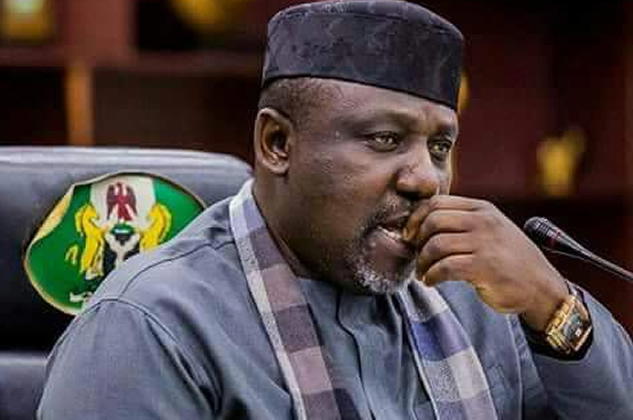
The night air over Abuja clung to the REIZ Continental Hotel like a heavy shroud, and the flicker of police lights painted the marble façade with staccato flashes of blue and red. In the lobby, murmurs rose as officers in crisp uniforms moved with purpose, their radios crackling with codes that only the initiated could decipher. Rochas Okorocha, former governor of Imo State and a senator whose name still evoked both admiration and resentment, stood momentarily silhouetted against the glass doors, his composure a study in restrained defiance. According to Vanguard News, the Nigeria Police Force had detained him following allegations of criminal conspiracy, forgery and impersonation, a move that seemed to erupt from the shadows of a simmering political feud. The Force Public Relations Officer, CSP Aniete Iniedu, confirmed the arrest, stating that Okorocha was taken into custody at the hotel and released on bail after roughly an hour of questioning, a detail that would soon become the fulcrum of a heated contest of narratives. Meanwhile, Okorocha’s Chief Press Secretary and Special Adviser on Media, Sam Onwuemeodo, denounced the reports as false, insisting that the former governor had neither been arrested nor granted bail, a claim that set the stage for a duel of press releases and public perception.


As the night deepened, the hotel’s chandeliers threw fractured light onto the marble floor, each glint a reminder that in Nigeria’s volatile political arena, truth often wears many masks, and the line between detention and release can blur as easily as the haze over the city’s bustling streets.

The roots of this confrontation trace back to a digital phantom that slipped across social media feeds like a rumor carried on the harmattan wind—a document purporting to show Rochas Okorocha as the victor of the All Progressives Congress senatorial primary for Imo West, a claim that directly contradicted the certified results lodged with the Independent National Electoral Commission. The Resident Electoral Commissioner of Imo State, Chukwuemeka Ibeziako, had taken notice, penning two letters dated October 5 and October 8, 2026, to both the Department of State Services and the Imo State Police Commissioner, urging an investigation into what he described as a fictitious proclamation designed to sow confusion. According to the Daily Trust, the police had initially summoned Okorocha to Force Headquarters on September 2, only to reschedule the appointment to September 8 at the behest of his legal team, a date he subsequently missed, prompting the authorities to obtain a bench warrant for his arrest. The alleged forgery, therefore, was not merely a piece of paper but a catalyst that ignited a chain of procedural steps, each echoing with the weight of electoral integrity and the lingering specter of political patronage that has long shaped Imo State’s tumultuous politics.


As analysts noted, the episode highlighted how digital fabrication can be weaponized in Nigeria’s fiercely contested political battles, where a single forged document can shift the balance of power and provoke state institutions into action.

When the police moved, their actions were swift and deliberate, yet the aftermath unfolded in a fog of contradictory statements that left observers scrambling to piece together a coherent timeline. CSP Aniete Iniedu told Channels Television that after an hour of interrogation, Okorocha was released on bail and instructed to return the following day for further questioning, a procedural detail that underscored the seriousness of the allegations while also hinting at the limits of immediate detention. In stark contrast, Sam Onwuemeodo maintained that the entire episode was a fabrication, arguing that no arrest had taken place and that any talk of bail was baseless, a position that was amplified through Okorocha’s media channels and echoed by supporters who viewed the police action as a politically motivated vendetta. The Business Hallmark report reinforced this denial, quoting the press secretary’s insistence that the former governor was neither arrested nor granted bail, and describing the circulating stories as false narratives designed to tarnish his reputation. Legal experts, speaking on condition of anonymity, noted that such divergences between official police communiqués and political spokespersons are not uncommon in Nigeria, where the battle for narrative control often outpaces the factual record, leaving the public to navigate a landscape where truth is constantly negotiated rather than simply reported.


The tension between the police’s assertion of procedural compliance and Okorocha’s camp’s outright rejection created a fractious dialogue that reverberated across talk shows, newspaper editorials, and the endless scroll of social media commentary.

Public reaction surged like a tide, with citizens across Nigeria weighing in on the episode through a mixture of outrage, skepticism, and partisan loyalty, each comment a reflection of deeper anxieties about governance, accountability, and the role of law enforcement in a democracy. Social media platforms buzzed with hashtags that oscillated between #OkorochaArrested and #OkorochaInnocent, while commentators dissected the implications for the APC’s internal cohesion, noting that the party’s senatorial primaries have long been arenas where allegiances are tested and power recalibrated. Cultural commentators observed that the episode tapped into a broader Nigerian narrative of the “big man” syndrome, wherein influential figures leverage their stature to evade scrutiny, only to be brought down—or purportedly brought down—by institutions that claim to uphold the rule of law. Economically, the distraction came at a time when Nigeria grappled with pressing challenges, including the federal government’s recent announcement of paying N1.23 trillion in power debt, a figure that underscored the nation’s fiscal strains and the urgency of focusing on developmental priorities rather than political theatrics. Analysts warned that the prolonged focus on such controversies risks diverting attention and resources from critical sectors, exacerbating social frustrations that could manifest in unrest or heightened political polarization. Yet, amid the clamor, there emerged a chorus of voices calling for greater transparency from both the police and political actors, urging that any investigation be conducted with rigor, impartiality, and respect for due process, lest the episode devolve into a mere spectacle that erodes public trust in essential institutions.

Looking ahead, the episode serves as a stark reminder of the fragile interplay between technology, politics, and law enforcement in contemporary Nigeria, where a digitally fabricated document can precipitate real‑world consequences that ripple through the halls of power and the streets of the populace. The outcome of any ensuing investigation will likely shape perceptions of the Nigeria Police Force’s ability to act independently of political influence, while also testing the resilience of the APC’s internal mechanisms for conflict resolution. Should the allegations be substantiated, the fallout could prompt a reevaluation of how electoral disputes are managed, potentially spurring reforms aimed at bolstering the credibility of INEC’s processes and curbing the spread of falsified information online. Conversely, if the claims of arrest are proven false, the incident may fuel perceptions of political harassment, emboldening opposition figures and deepening the mistrust that already colors Nigeria’s democratic landscape. In either scenario, the episode underscores the necessity for robust fact‑checking mechanisms, clearer communication protocols between law enforcement and the public, and a renewed commitment to upholding the sanctity of the electoral process—a commitment that, if honored, could transform this moment of discord into a catalyst for greater institutional integrity and national cohesion.

📰 Sources Cited

No comments yet. Be the first to share your thoughts!

The Mirage of Authority: When a Governor's Shadow Meets the Police Light

Samuel Chimezie Okechukwu (Great Nigeria - Story Teller)
10/15/2026
DEEP DIVE

The night air over Abuja clung to the REIZ Continental Hotel like a heavy shroud, and the flicker of police lights painted the marble façade with staccato flashes of blue and red. In the lobby, murmurs rose as officers in crisp uniforms moved with purpose, their radios crackling with codes that only the initiated could decipher. Rochas Okorocha, former governor of Imo State and a senator whose name still evoked both admiration and resentment, stood momentarily silhouetted against the glass doors, his composure a study in restrained defiance. According to Vanguard News, the Nigeria Police Force had detained him following allegations of criminal conspiracy, forgery and impersonation, a move that seemed to erupt from the shadows of a simmering political feud. The Force Public Relations Officer, CSP Aniete Iniedu, confirmed the arrest, stating that Okorocha was taken into custody at the hotel and released on bail after roughly an hour of questioning, a detail that would soon become the fulcrum of a heated contest of narratives. Meanwhile, Okorocha’s Chief Press Secretary and Special Adviser on Media, Sam Onwuemeodo, denounced the reports as false, insisting that the former governor had neither been arrested nor granted bail, a claim that set the stage for a duel of press releases and public perception.


As the night deepened, the hotel’s chandeliers threw fractured light onto the marble floor, each glint a reminder that in Nigeria’s volatile political arena, truth often wears many masks, and the line between detention and release can blur as easily as the haze over the city’s bustling streets.

The roots of this confrontation trace back to a digital phantom that slipped across social media feeds like a rumor carried on the harmattan wind—a document purporting to show Rochas Okorocha as the victor of the All Progressives Congress senatorial primary for Imo West, a claim that directly contradicted the certified results lodged with the Independent National Electoral Commission. The Resident Electoral Commissioner of Imo State, Chukwuemeka Ibeziako, had taken notice, penning two letters dated October 5 and October 8, 2026, to both the Department of State Services and the Imo State Police Commissioner, urging an investigation into what he described as a fictitious proclamation designed to sow confusion. According to the Daily Trust, the police had initially summoned Okorocha to Force Headquarters on September 2, only to reschedule the appointment to September 8 at the behest of his legal team, a date he subsequently missed, prompting the authorities to obtain a bench warrant for his arrest. The alleged forgery, therefore, was not merely a piece of paper but a catalyst that ignited a chain of procedural steps, each echoing with the weight of electoral integrity and the lingering specter of political patronage that has long shaped Imo State’s tumultuous politics.


As analysts noted, the episode highlighted how digital fabrication can be weaponized in Nigeria’s fiercely contested political battles, where a single forged document can shift the balance of power and provoke state institutions into action.

When the police moved, their actions were swift and deliberate, yet the aftermath unfolded in a fog of contradictory statements that left observers scrambling to piece together a coherent timeline. CSP Aniete Iniedu told Channels Television that after an hour of interrogation, Okorocha was released on bail and instructed to return the following day for further questioning, a procedural detail that underscored the seriousness of the allegations while also hinting at the limits of immediate detention. In stark contrast, Sam Onwuemeodo maintained that the entire episode was a fabrication, arguing that no arrest had taken place and that any talk of bail was baseless, a position that was amplified through Okorocha’s media channels and echoed by supporters who viewed the police action as a politically motivated vendetta. The Business Hallmark report reinforced this denial, quoting the press secretary’s insistence that the former governor was neither arrested nor granted bail, and describing the circulating stories as false narratives designed to tarnish his reputation. Legal experts, speaking on condition of anonymity, noted that such divergences between official police communiqués and political spokespersons are not uncommon in Nigeria, where the battle for narrative control often outpaces the factual record, leaving the public to navigate a landscape where truth is constantly negotiated rather than simply reported.


The tension between the police’s assertion of procedural compliance and Okorocha’s camp’s outright rejection created a fractious dialogue that reverberated across talk shows, newspaper editorials, and the endless scroll of social media commentary.

Public reaction surged like a tide, with citizens across Nigeria weighing in on the episode through a mixture of outrage, skepticism, and partisan loyalty, each comment a reflection of deeper anxieties about governance, accountability, and the role of law enforcement in a democracy. Social media platforms buzzed with hashtags that oscillated between #OkorochaArrested and #OkorochaInnocent, while commentators dissected the implications for the APC’s internal cohesion, noting that the party’s senatorial primaries have long been arenas where allegiances are tested and power recalibrated. Cultural commentators observed that the episode tapped into a broader Nigerian narrative of the “big man” syndrome, wherein influential figures leverage their stature to evade scrutiny, only to be brought down—or purportedly brought down—by institutions that claim to uphold the rule of law. Economically, the distraction came at a time when Nigeria grappled with pressing challenges, including the federal government’s recent announcement of paying N1.23 trillion in power debt, a figure that underscored the nation’s fiscal strains and the urgency of focusing on developmental priorities rather than political theatrics. Analysts warned that the prolonged focus on such controversies risks diverting attention and resources from critical sectors, exacerbating social frustrations that could manifest in unrest or heightened political polarization. Yet, amid the clamor, there emerged a chorus of voices calling for greater transparency from both the police and political actors, urging that any investigation be conducted with rigor, impartiality, and respect for due process, lest the episode devolve into a mere spectacle that erodes public trust in essential institutions.

Looking ahead, the episode serves as a stark reminder of the fragile interplay between technology, politics, and law enforcement in contemporary Nigeria, where a digitally fabricated document can precipitate real‑world consequences that ripple through the halls of power and the streets of the populace. The outcome of any ensuing investigation will likely shape perceptions of the Nigeria Police Force’s ability to act independently of political influence, while also testing the resilience of the APC’s internal mechanisms for conflict resolution. Should the allegations be substantiated, the fallout could prompt a reevaluation of how electoral disputes are managed, potentially spurring reforms aimed at bolstering the credibility of INEC’s processes and curbing the spread of falsified information online. Conversely, if the claims of arrest are proven false, the incident may fuel perceptions of political harassment, emboldening opposition figures and deepening the mistrust that already colors Nigeria’s democratic landscape. In either scenario, the episode underscores the necessity for robust fact‑checking mechanisms, clearer communication protocols between law enforcement and the public, and a renewed commitment to upholding the sanctity of the electoral process—a commitment that, if honored, could transform this moment of discord into a catalyst for greater institutional integrity and national cohesion.

📰 Sources Cited

No comments yet. Be the first to share your thoughts!

Cinematic