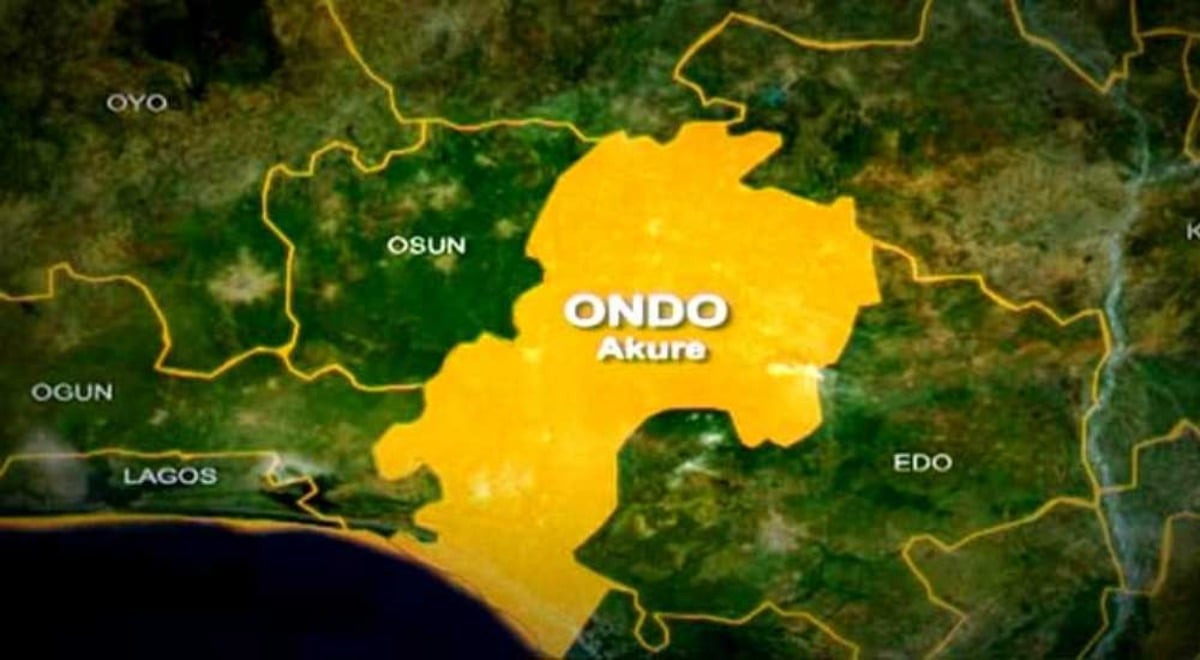
In the humid twilight of early September 2026, the quiet villages of Odigbo and Irele Local Government Areas awoke to a grim reality that would soon echo across Nigeria’s newsrooms and policy corridors. What began as celebratory libations at two naming ceremonies—where elders poured locally brewed gin and herbal mixtures to honor newborns—turned into a cascade of convulsions, coma, and untimely death as a poisonous concoction seized the bloodstreams of unsuspecting revelers. By the time the state Commissioner for Health, Dr. Banji Ajaka, stood before cameras on a Wednesday press briefing, the death toll had climbed to forty‑nine, with another one hundred and twenty souls languishing in hospital beds, their families clutching prayer beads and begging for answers. Reports from the Nigerian Tribune noted that the outbreak first surfaced in Araromi‑Obu and Odigbo communities, spreading like a silent fire through neighboring hamlets before the full scale of the tragedy became apparent. Business Hallmark echoed the grim tally, emphasizing that the victims were not merely statistics but traders, farmers, and youths whose livelihoods were now jeopardized by a drink marketed as a traditional remedy. TVC News highlighted Ajaka’s revelation that eight of the latest fatalities had occurred in Irele, a detail that underscored the epidemic’s relentless march beyond its initial epicenter.
As the Vanguard News exposé later disclosed, police had already arrested fifteen suspects linked to the production and distribution of a locally notorious brew nicknamed “monkey tail,” with forensic teams analyzing seized samples for methanol content. The Premium Times report added that the government’s case count had swollen from an initial sixty to the staggering 170 affected individuals, a figure that included both the deceased and those still battling severe organ failure. Together, these accounts paint a portrait of a community caught between reverence for ancestral practices and the lethal consequences of unregulated informal economies, setting the stage for a deeper examination of the forces that allowed such a tragedy to unfold.
The Alchemy of Informal Trade and Economic Vulnerability
At the heart of Ondo’s crisis lies a fragile informal economy where artisanal distillers fill the gaps left by scarce formal employment and limited access to regulated alcoholic beverages. According to Premium Times, many of the producers operate out of makeshift sheds, fermenting sugarcane mash or cassava peel with undisclosed additives to boost potency and profit margins, a practice that often slips under the radar of NAFDAC’s oversight. Vanguard News noted that the arrested suspect, Oloruntoba Babatunde—known on the streets as “Meko”—was allegedly assisted by a network of small‑scale vendors who sold the toxic blend at naming ceremonies, funerals, and market stalls, turning communal gatherings into unwitting distribution channels. The Nigerian Tribune pointed out that the initial outbreak followed a state‑imposed ban on unverified drinks after thirty deaths and fifty hospitalizations in Odigbo, suggesting that the prohibition merely drove the trade further underground rather than eradicating it. Business Hallmark added that the economic allure of such brews is rooted in their low production cost and high resale value, making them attractive to both producers seeking quick cash and consumers unable to afford branded spirits. In this context, the drink dubbed “monkey tail” functions not merely as a beverage but as an informal safety net for those excluded from formal markets, a net that, when laced with methanol or other contaminants, becomes a deadly trap.
Experts interviewed by TVC News warned that without viable livelihood alternatives and affordable, quality‑controlled alcohol, the cycle of illicit production and tragic consumption is likely to repeat, undermining both public health and economic stability in Ondo’s agrarian communities.
The Human Toll: Grief, Stigma, and the Social Fabric
Beyond the stark numbers, the epidemic has etched deep scars into the social psyche of Odigbo and Irele, where funerals have become a weekly ritual and survivors grapple with lingering health complications. Peoples Gazette recounted how Ajaka disclosed that eight fresh deaths were recorded in Irele alone, a revelation that turned the local government area into a somber epicenter of mourning. The Punch Nigeria article described families huddled around hospital beds, their faces etched with anguish as loved ones suffered from vomiting, blindness, and neurological damage—symptoms consistent with methanol poisoning that can persist long after acute treatment. According to the Vanguard News report, survivors often face stigma, being labeled as “drinkers of poison” and shunned by neighbors who fear contamination, thereby fracturing the communal bonds that traditionally sustain rural Nigerian life. The Nigerian Tribune highlighted that many of the affected were young adults in their twenties and thirties, individuals whose loss deprives households of vital labor and jeopardizes the future of children left without parental guidance. In addition, the Premium Times piece noted that health workers, already stretched thin by routine malaria and maternal care burdens, have been forced to divert scarce resources to manage the poisoning crisis, leading to delayed care for other ailments.
Social analysts quoted by TVC News emphasized that the tragedy exacerbates existing inequities, as poorer households lacking access to formal healthcare bear the brunt of the mortality, while wealthier residents can afford private clinics or travel to urban centers for treatment. The collective grief has also sparked a quiet but growing discourse among community leaders about the need to revisit traditional rites, questioning whether the reliance on locally brewed spirits for ceremonies can be reconciled with public health imperatives.
The Response Network: Governance, Security, and Technological Mobilization
Ondo’s reaction to the outbreak has mobilized a multi‑agency task force that blends traditional public health mechanisms with security enforcement and nascent technological surveillance. Dr. Banji Ajaka, speaking on behalf of the state government, told Vanguard News that surveillance and emergency response had been scaled up in the affected communities, with rapid response teams dispatched within hours of receiving reports—a claim lauded at a recent national meeting of health commissioners and NCDC officials. The police command, through spokesperson DSP Jimoh Abayomi, confirmed that fifteen suspects had been arrested in connection with the sale and distribution of the lethal brew, with samples of the suspected methanol‑laden substance forwarded to forensic laboratories for composition analysis, as reported by Premium Times. Vanguard News further noted that the state is collaborating with NAFDAC, NDLEA, DSS, and NSCDC, creating an inter‑agency net aimed at both curbing production and tracing the supply chain. The Nigerian Tribune highlighted that the government’s proactive stance—cited by Ajaka as a model praised at the health commissioners’ forum—has included the establishment of temporary treatment centers, the distribution of oral rehydration salts, and the deployment of community health volunteers to educate residents about the dangers of unregulated drinks. Technologically, the response has leveraged mobile reporting platforms that allow villagers to alert health officials via SMS or WhatsApp, a system described by TVC News as instrumental in detecting new clusters before they spiral out of control.
Moreover, the Premium Times article mentioned that the state is considering the introduction of low‑cost, portable testing kits that could enable market inspectors to screen alcoholic products for methanol on site, a move that could transform informal market regulation if adequately funded and supported by training programs. Together, these efforts illustrate a nascent shift from reactive crisis management toward a more integrated, data‑informed approach to safeguarding public health in Nigeria’s informal sectors.
Future Implications: A Blueprint for Resilient Communities
Looking ahead, the Ondo poison‑alcohol tragedy offers a stark lesson and a potential blueprint for preventing similar catastrophes across Nigeria’s diverse landscapes. First, the episode underscores the urgent need to formalize and support artisanal alcohol producers through licensing, quality‑control training, and access to affordable testing equipment, thereby transforming a hazardous underground trade into a regulated livelihood avenue. Second, public health campaigns must be culturally resonant, employing local languages, traditional leaders, and radio dramas to convey the risks of methanol‑laden brews while respecting the symbolic role of drink in ceremonies. Third, the crisis reveals the value of real‑time surveillance networks that blend community reporting with official dashboards; scaling such systems nationally could enable early detection of adulterated products before they claim lives. Fourth, policymakers should consider establishing a contingency fund dedicated to rapid medical response, ensuring that antivenom, dialysis, and critical care resources are readily available when outbreaks emerge. Finally, the tragedy invites a reexamination of Nigeria’s broader alcohol taxation and distribution policies, which, if too restrictive, may inadvertently push consumers toward perilous alternatives. By weaving together economic empowerment, health education, technological innovation, and responsive governance, Ondo’s painful experience could ultimately catalyze a safer, more resilient framework for communities that rely on informal markets—not just for their spirits, but for their very survival.
📰 Sources Cited
- Nigerian Tribune: Ondo herbal drink death toll rises to 49, 170 affected
- Business Hallmark: Ondo herbal drink: death toll climbs to 49
- TVC News: Ondo Poisoning Incident: Death Toll Rises To 49, 170 Affected
- Google News Nigeria: Ondo Poisonous Alcohol: Death Toll Increases To 49, Cases Spread To Neighboring Local Govt - channelstv.com
- PM News Nigeria: ‘Monkey Tail’ tragedy: Ondo death toll hits 49 as 170 people fall ill
- Punch Nigeria: Ondo herbal drink deaths rise to 49, 170 affected
- Peoples Gazette: Ondo toxic alcohol kills eight more; 170 people affected
- PM News Nigeria: Ondo herbal drink deaths hit 49
- Premium Times: Poisonous Drinks: Ondo Govt confirms 49 deaths as new cases are recorded in another LGA
- Vanguard News: Ondo Killer Drink: 49 dead, 170 affected – Health Commissioner
0 Comments
Sign in to commentNo comments yet. Be the first to share your thoughts!