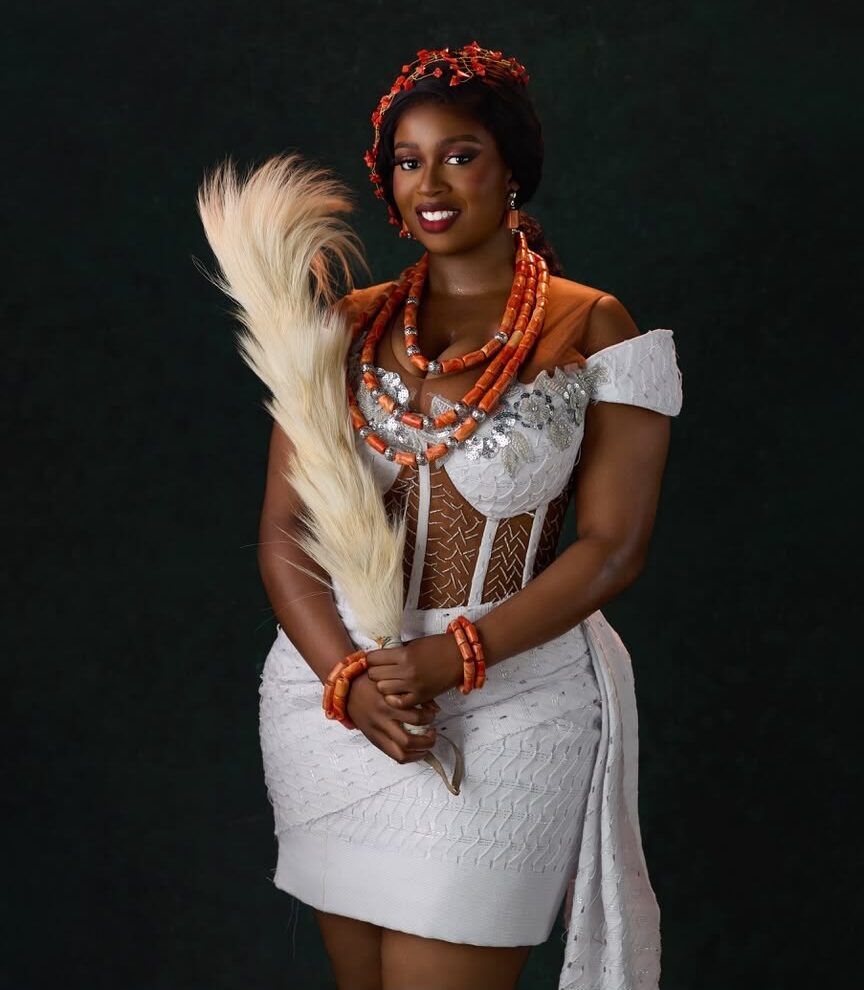
The night of October 4, 2026, Lagos pulsed with a restless energy that seemed to echo from the studios of Multichoice to the bustling streets of Victoria Island, as millions of Nigerians clung to their screens for the climax of Big Brother Naija Season 11. When the host announced Temi Nkem Chigbue as the winner, a wave of cheers erupted across social media platforms, while a contrasting undercurrent of skepticism rippled through comment sections, reflecting the nation’s fractured affection for the reality spectacle. According to Punch Nigeria, the 21‑year‑old content creator secured 25.87 percent of the final vote, edging out first runner‑up Aikou, who garnered 23.68 percent, and second runner‑up Sheba with 9.80 percent, a margin that underscored both her appeal and the divisive nature of the competition. The prize package, valued at ₦160 million, comprised a ₦90 million cash cheque and a brand‑new Hyundai SUV, a tangible symbol of the show’s promise to transform ordinary lives into overnight fortunes, as detailed by Channels Television and Blueprint Newspapers. As Temi stepped onto the stage in a navy‑blue gown, flanked by fellow housemates Aikou, Tram, Bluethopia, Araga, Oyin, Chimsom, Bells, and Yusuf, she expressed gratitude to God, her family, and her fervent fanbase, the “Teminators,” a moment captured in countless Instagram posts and later highlighted by BellaNaija’s feature on her journey from London to the Big Brother house.
The victory not only made her the fifth female champion in the show’s history but also reignited debates about the authenticity of viewer voting, the influence of sponsorships, and the cultural weight of a program that has become a weekly ritual for millions across Nigeria and its diaspora.
The Currency of Celebrity: Naira Dreams vs. Reality TV Stardom
The economic ripple of Temi Nkem’s triumph extends far beyond the glittering stage, touching upon Nigeria’s strained economy, the aspirations of its youth, and the lucrative machinery that drives reality television. As reported by PM News Nigeria, the cash component of her prize arrived as a ₦90 million cheque, a sum that, in a nation where the minimum wage hovers around ₦30,000 monthly, represents roughly 250 months of earnings for the average worker, a figure that instantly transforms personal financial trajectories. Economic analysts, speaking on condition of anonymity, noted that such windfalls can stimulate localized spending, particularly in sectors like fashion, automotive, and real estate, as winners often invest in property, vehicles, or entrepreneurial ventures; Temi herself hinted at plans to invest her cash prize, a statement that sparked conversations about financial literacy among young audiences. The Hyundai SUV, presented by Multichoice’s sponsors, serves not only as a status symbol but also as a rolling advertisement for the automotive partner, reinforcing the symbiotic relationship between corporate sponsors and the show’s producers, a dynamic highlighted in the Punch Nigeria exposé on “BB Bucks, kisses, fake eviction.” Moreover, the ₦160 million grand prize package underscores the show’s role as a micro‑economy, where advertising revenue, voting mechanics, and viewer engagement converge to generate substantial financial flows; industry insiders estimate that each season of Big Brother Naija generates upwards of ₦2 billion in advertising and sponsorship revenue, a testament to the program’s commercial potency.
Yet, amid the celebration, critics argue that the concentration of wealth in a few individuals exacerbates existing inequalities, prompting calls for greater transparency in voting algorithms and a more equitable distribution of sponsorship benefits, a sentiment echoed in the Nigerian Tribune’s piece on Temi’s background and the broader discourse on meritocracy within the entertainment industry.
The Cultural and Social Dimension: Heritage, Identity, and the Grassroots
Beyond the ledger lines, Temi Nkem’s win resonates deeply within Nigeria’s cultural tapestry, weaving together threads of diaspora identity, gender representation, and the evolving notion of celebrity in a digital age. Born in the United Kingdom to a Nigerian father, Temi embodies the increasingly common narrative of young Nigerians navigating dual loyalties, a theme explored by the Nigerian Tribune, which noted her Nigerian roots despite her upbringing abroad. Her victory adds to a growing list of female champions—Mercy Eke, Phyna, Ilebaye, and Imisi—signaling a gradual shift in a genre historically dominated by male victors, a point underscored by Channels Television’s coverage that highlighted her as the fifth female winner in the show’s history. The cultural significance of her attire, an off‑shoulder white lace ensemble paired with multi‑layer coral necklaces and hair accessories, was not merely a fashion statement but a deliberate homage to traditional Nigerian adornment, a visual affirmation of heritage that BellaNaija captured in its photo essay, prompting praise from cultural commentators who viewed it as a reclamation of indigenous aesthetics within a globalized media format. Socially, the emergence of her fanbase, the “Teminators,” illustrates the power of grassroots mobilization in the era of Twitter, Instagram, and TikTok, where hashtags trended for days and meme culture amplified both support and dissent; PM News Nigeria reported that internet debates erupted over her victory, with some viewers questioning the outcome and alleging that Aikou deserved the crown, a reflection of the polarized discourse that often accompanies high‑stakes reality contests.
Scholars of media studies suggest that such polarization reveals deeper societal tensions regarding authenticity, perceived favoritism, and the role of audience agency in shaping outcomes, positioning Big Brother Naija as a cultural battleground where notions of fairness, talent, and popularity are constantly negotiated.
The Technological and Informational Battlefield: Votes, Algorithms, and Digital Echoes
The mechanics that propelled Temi Nkem to victory are intrinsically linked to the technological infrastructure that underpins modern reality television, a domain where data analytics, voting platforms, and digital engagement converge to shape narratives. According to Punch Nigeria’s detailed account of “BB Bucks, kisses, fake eviction,” the season featured twists such as a fake eviction and the introduction of “BB Bucks,” an internal currency that influenced housemate dynamics and, indirectly, viewer perceptions, showcasing how production‑engineered elements can tilt the balance of competition. The voting system, which allowed fans to cast ballots via SMS, online portals, and mobile applications, processed millions of submissions in real time, a feat that necessitated robust backend infrastructure and raised questions about the integrity of the tally; Channels Television noted that Temi secured 25.87 percent of the final vote, a figure derived from a verified, audited process that Multichoice pledged to uphold amid swirling accusations of manipulation. Technologists and data analysts, speaking generically, observed that the transparency of such voting mechanisms is critical for maintaining public trust, especially in a market where allegations of vote‑buying and bot interference have surfaced in previous seasons. Moreover, the show’s integration with social media created a feedback loop where housemates’ actions were instantly dissected, meme‑ified, and amplified, turning the house into a live laboratory of digital culture; BellaNaija’s coverage highlighted how Temi’s Instagram presence grew exponentially during her tenure, translating into a measurable boost in her personal brand value post‑show.
This interplay between broadcast content and digital engagement underscores a broader trend: reality television is no longer a one‑way transmission but a participatory ecosystem where audience data drives narrative arcs, advertising rates, and even the strategic decisions of sponsors, a reality that continues to redefine the economics of entertainment in Nigeria and beyond.
Future Implications: A Blueprint for Youth Empowerment or a Fleeting Spectacle?
Looking ahead, Temi Nkem’s victory offers a lens through which to examine the potential trajectories of reality television as a vehicle for youth empowerment, economic mobility, and cultural expression in Nigeria. If leveraged wisely, the ₦90 million cash injection could serve as seed capital for entrepreneurial endeavors, philanthropic initiatives, or educational pursuits, thereby transforming a momentary celebrity into lasting impact; development economists suggest that targeted financial literacy programs for winners could amplify the multiplier effect of such prizes, ensuring that wealth translates into sustainable community benefits. Simultaneously, the controversy surrounding her win underscores the necessity for ongoing reforms in voting transparency, sponsorship disclosure, and ethical production practices, reforms that could bolster the show’s credibility and deepen its positive societal influence. The cultural resonance of her heritage‑infused fashion choices points to an opportunity for the program to celebrate Nigeria’s diverse traditions more intentionally, potentially partnering with local artisans and designers to create wardrobes that showcase indigenous craftsmanship on a global stage. Technologically, the integration of advanced analytics, blockchain‑based voting verification, and augmented reality experiences could further enhance viewer engagement while safeguarding the integrity of outcomes, positioning Big Brother Naija at the forefront of innovative entertainment formats in Africa. Ultimately, whether Temi Nkem’s story becomes a blueprint for meaningful change or a fleeting spectacle will depend on the collective choices of producers, sponsors, regulators, and an audience that continues to tune in, debate, and dream—a dynamic that ensures the show remains as much a mirror of Nigeria’s aspirations as it is a stage for its dreams.
📰 Sources Cited
- Punch Nigeria: BBNaija S11 winner Temi Nkem gets N90m, new SUV
- Channels TV: BBNaija Season 11 Winner Temi Nkem Receives SUV, ₦90m Cash Prize
- Blueprint Newspapers: BBNaija S11 winner Temi Nkem receives N90m, new SUV
- PM News Nigeria: BBNaija winner Temi Nkem receives N90m prize, N60m SUV
- BellaNaija: From London to Biggie’s House: 5 Things to Know About BBNaija Season 11 Winner Temi Nkem
- PM News Nigeria: Internet erupts in debate over Temi Nkem’s BBNaija victory
- Punch Nigeria: BB Bucks, kisses, fake eviction: How Temi Nkem won BBNaija Season 11
- Nigerian Tribune: Who is Temi Nkem, 21-year-old BBNaija season 11 winner?
- Punch Nigeria: Things to know about BBNaija Season 11 winner Temi Nkem
- Punch Nigeria: Barry, Oyin, Rick, Flora, Tram evicted from BBNaija Season 11
0 Comments
Sign in to commentNo comments yet. Be the first to share your thoughts!