The Sorrowful Welcome: A City in Mourning
The Sorrowful Welcome: A City in Mourning
Jos, the capital of Plateau State, stands as a city wrapped in the shroud of grief. The air is thick with the palpable weight of loss, as the echoes of recent violence reverberate through its streets. The tranquility once cherished here has been shattered, replaced by a somber silence, occasionally pierced by the wails of the bereaved. It was within this atmosphere that President Bola Tinubu arrived, his presence a stark contrast to the city's sorrow. Rather than the expected gesture of solidarity and empathy, his visit was met with a mix of anticipation and skepticism, as noted by former Vice President Atiku Abubakar, who criticized the handling of the presidential visit as a "disturbing and unacceptable approach to national tragedy," according to a statement by his Senior Special Assistant on Public Communication, Phrank Shaibu. The city, still reeling from the shock of Palm Sunday’s attack at Angwan Rukuba in Jos North LGA, awaited Tinubu's response.
The Assurance of Justice: A President's Pledge
In the aftermath of the悲痛, President Tinubu stood amidst the brokenness, offering words of assurance. "We will find the perpetrators," he declared, his voice echoing through the halls of power and into the ears of the victims, as reported by Leadership Newspaper. This was not just a promise but a directive to his security chiefs, a call to action that resonated with the urgency of the situation. Tinubu's directives were clear: intensify efforts to apprehend those responsible for the killings and bring them to justice. His appeal for peace among community leaders was a plea for unity in the face of adversity, an acknowledgment of the delicate balance that must be struck between vengeance and reconciliation.
The Watchful Eye: Surveillance as a Shield
President Tinubu's visit was not only a somber condolence call but also a strategic deployment. He announced the immediate deployment of a security network by the Federal Government, one that includes surveillance infrastructure to assist law enforcement in identifying and tracking violent attackers in real-time. This move, as detailed by Leadership Newspaper, is a significant step in the ongoing battle against recurring violence, an attempt to turn the tides against those who would seek to inflict harm upon the people of Jos. The installation of 5,000 CCTV cameras, as reported by Businessday Nigeria, is a testament to the government's commitment to bolstering security in the area, a sentinel against the shadows of violence.
The Sentinels of the Forest: Mutfwang's Praise for Support
In the shadow of tragedy, there are moments of solidarity. Plateau State Governor Caleb Mutfwang commended President Bola Tinubu for approving the recruitment of 1,000 forest guards, as reported by Vanguard News. This move is seen as a significant bolstering of security in the state, a testament to the federal government's commitment to reinforcing the defenses against the forces of chaos. Mutfwang's praise is a recognition of the importance of this support, a symbol of the collaboration between state and federal entities in the pursuit of peace.
The Calm Before the Storm: Military Deployment and Tension
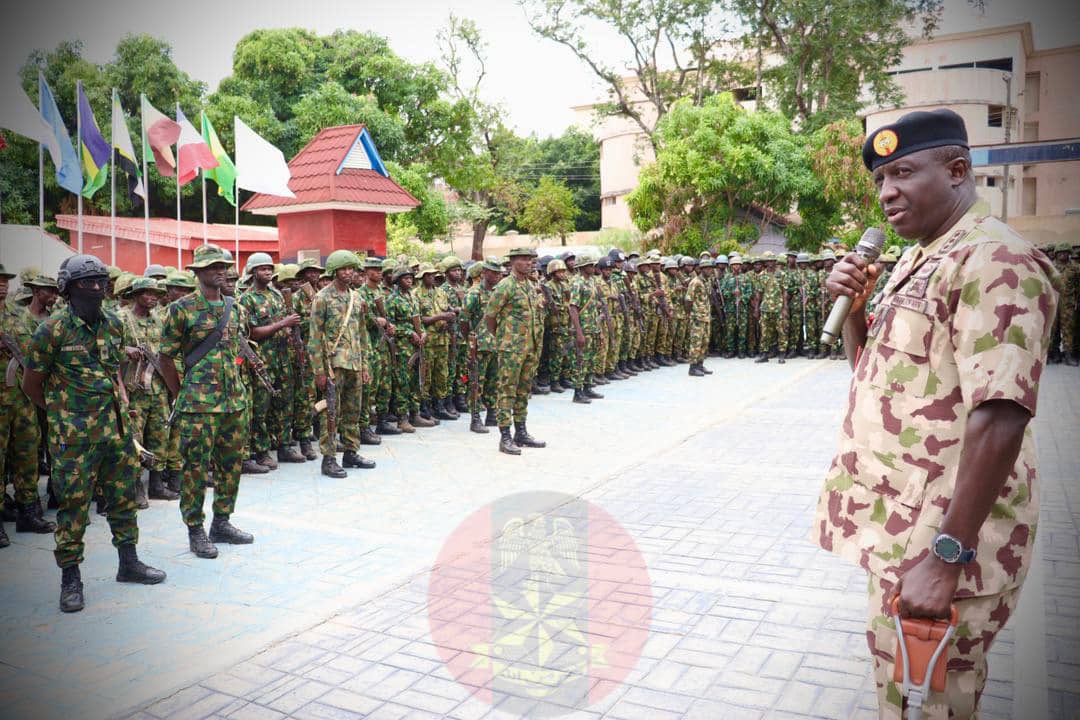
The streets of Jos have seen their share of unrest, and the recent killings have only heightened the tension. In response, the Chief of Army Staff, Lieutenant General Waidi Shaibu, has approved the immediate deployment of additional troops to Plateau, as reported by PM News Nigeria. This move is aimed at de-escalating tensions and restoring law and order across the state, a necessary step in the face of the violence that has plagued the community. The presence of these troops is a reminder of the delicate balance that must be maintained, a show of force meant to restore calm and security to the people of Jos.
The Weight of a Nation's Grief: The Human Impact
The numbers are stark, the loss immeasurable. The recent attack in Angwan Rukuba resulted in the tragic death of 28 people, a number that belies the depth of the sorrow felt by the community. Each life taken is a story untold, a future unfulfilled. One such story is that of Ibrahim Haruna Abdulkareem, a 31-year-old corps member who had recently gotten married and was preparing to pass out, as reported by Daily Trust. Tragically, Abdulkareem was caught in a reprisal attack, his life cut short in a moment of violence. His story is but one of many, a testament to the human impact of the violence that has gripped Jos.
Future Implications: The Road to Restoration
The visit of President Tinubu to Jos, though met with mixed sentiment, marks a critical juncture in the nation's response to the recurring violence. His directives to security chiefs, the deployment of additional troops, and the installation of a robust surveillance network are steps towards a more secure future. However, as we look towards the horizon, the question remains: will these measures be enough to quell the violence and restore peace to the people of Jos? The answer lies not only in the immediate actions taken but in the sustained commitment to addressing the root causes of the conflict. It is a journey that requires the concerted effort of both the government and the people, a collective march towards a future where the echoes of violence are replaced by the harmonious sounds of a city healed.
Understanding the Complexity of the Crisis
Jos, the capital of Plateau State, has long been a microcosm of Nigeria's diverse ethnic and religious makeup, a tapestry woven with both potential and challenge. The city's location at the intersection of the Middle Belt and Northern regions positions it at the crossroads of a complex web of cultural and socio-political tensions. Historically, Jos has been a flashpoint for violent conflicts, often rooted in disputes over land and resources, with a recent surge fueled by agricultural and pastoralist clashes, as well as wider regional instability.
The deployment of additional troops, under the command of General Waidi Shaibu, underscores the gravity of the situation. It reflects a clear recognition by the Nigerian government of the urgent need to intervene and protect its citizens. This military presence is expected to deter further violence and provide a temporary respite for the traumatized communities. However, as history has shown, a purely military solution is often insufficient in addressing the deep-seated issues that fuel such conflicts. It is a stop-gap measure, a necessary but not sufficient condition for lasting peace.
The Role of Governance and Community Engagement
Governance plays a critical role in mitigating ethnic tensions and fostering a sense of shared destiny among diverse groups. The leadership in Jos and Plateau State must walk a fine line between enforcing law and order and addressing the underlying grievances that have led to the current crisis. This requires a multi-pronged approach that includes not only robust security measures but also economic development, education, and social cohesion programs.
Community engagement is equally vital. Local leaders, religious figures, and civil society organizations have a crucial role to play in mediating disputes, promoting dialogue, and rebuilding trust among communities. Their grassroots connections and intimate understanding of the local dynamics can complement state-led initiatives and provide a more nuanced response to the conflict.
The Economic and Social Ramifications
The violence in Jos has not only claimed lives but also disrupted the socio-economic fabric of the city. Businesses have been forced to close, trade has been hampered, and livelihoods have been lost. This has a ripple effect on the entire state and beyond, exacerbating poverty and increasing the risk of social unrest.恢复经济活力 and providing economic opportunities are essential to healing the wounds of violence and preventing further conflict.
International Perspective and Regional Cooperation
Jos's troubles are not isolated; they are part of a broader pattern of instability in the region. The Lake Chad Basin, for instance, is grappling with similar issues of violent extremism, displacement, and humanitarian crises. Nigeria's response to the crisis in Jos must be seen in this broader regional context. International cooperation and regional dialogue can provide valuable lessons and support in addressing the complex challenges faced by Jos and similar cities.
Long-Term Solutions and Sustainable Peacebuilding
The path to sustainable peace in Jos is fraught with challenges but is not without hope. Long-term solutions require a holistic approach that addresses the root causes of the conflict, including land disputes, economic grievances, and social inequality. This involves not only security sector reform but also investments in education, healthcare, and infrastructure that can provide a foundation for social cohesion and economic growth.
The government's commitment to installing a robust surveillance network and directing security chiefs to take proactive measures is a step in the right direction. However, it must be complemented by efforts to empower local communities, promote interfaith dialogue, and foster a culture of peace and tolerance. The involvement of international organizations, such as the United Nations and the African Union, can provide additional resources and expertise in peacebuilding and conflict resolution.
Conclusion: A Call for Unity and Resilience
The deployment of additional troops to Jos is a significant step in addressing the immediate security concerns. However, it is the beginning of a longer journey towards sustainable peace and healing. The road ahead is challenging, requiring the collective efforts of the government, civil society, and the international community. It demands a commitment to dialogue, tolerance, and the pursuit of justice. Only through a concerted and coordinated response can the people of Jos hope to overcome the cycle of violence and build a future where peace and prosperity are not just aspirations but reality.
📰 Sources Cited
- Leadership Newspaper: Plateau Killings: Tinubu Visited Jos Airport, Not Grieving Victims — Atiku
- Leadership Newspaper: We Will Find The Perpetrators, Tinubu Assures Jos Attack Victims
- Leadership Newspaper: Plateau Attacks: Cameras To Be Installed To Stop Killings, Says Tinubu
- Vanguard News: Mutfwang commends Tinubu for approving 1,000 forest guards for Plateau
- PM News Nigeria: Killings: COAS Shaibu deploys more troops to calm tension in Plateau
- PM News Nigeria: Plateau killings: Tinubu directs arrest of perpetrators, promises 5000-camera network for security
- Google News Nigeria: Jos killings: Tinubu orders 5,000 CCTV cameras, vows justice - Businessday Nigeria
- Daily Trust: How newlywed corps member was killed in Jos
0 Comments
Sign in to commentNo comments yet. Be the first to share your thoughts!