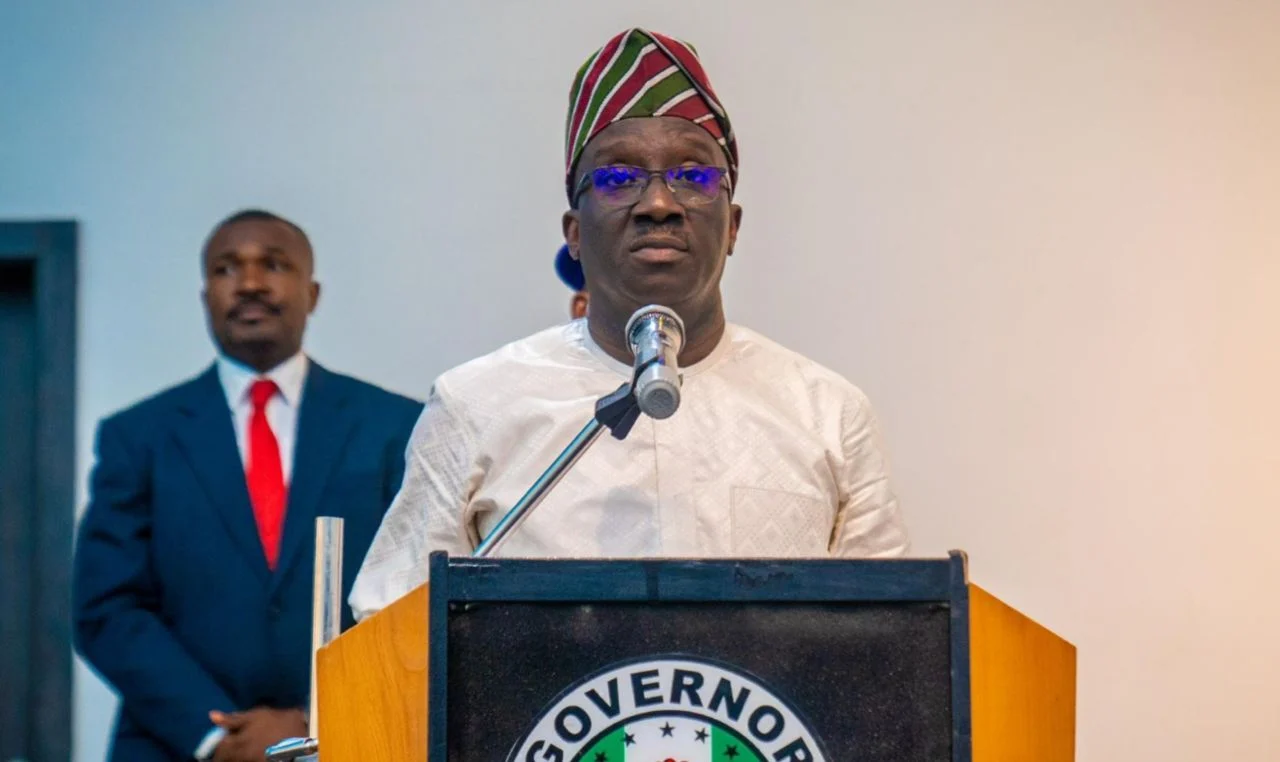
The local government election in Edo State unfolded like a complex tapestry, woven with threads of contrasting narratives, on a Saturday that would be remembered for its mixed signals. As the day broke, the atmosphere was electric with anticipation, yet tinged with a sense of uncertainty that hung like a mist over the state's 18 local government areas. In the heart of Benin City, the capital, and in Auchi, a major town, the mood was palpably different, reflecting the diverse perspectives that characterized the electoral process. According to Sun News Online, the election was marked by low voter turnout and the late arrival of electoral officials and voting materials in parts of Edo State, a narrative that was both corroborated and contradicted by various reports. Our correspondent observed that many polling units recorded low voter participation, a sentiment echoed by Daily Trust's report that highlighted the sparse turnout at Agbado Primary School in Oredo Ward 4, where despite the timely arrival of electoral materials, only a few voters cast their ballots. In contrast, Governor Monday Okpebholo commended the high turnout of voters, praising their orderly conduct, as reported by Nigerian Tribune and Peoples Gazette, indicating a significant divergence in the perceived level of voter engagement.
As the governor cast his vote at Ward 2, Udomi Primary School, in Esan Central Local Government Area, he described the process as peaceful, a characterization that was largely supported by observers and echoed across various news outlets, including Daily Trust.
The Voter Turnout Enigma: High vs. Low Participation
The voter turnout during the Edo LG election presented a paradox, with different stakeholders and observers offering disparate accounts of the level of participation. While Sun News Online and Daily Trust reported low voter turnout in several areas, Governor Okpebholo and APC leaders hailed the turnout as encouraging, suggesting a higher level of engagement than initially reported. As Peoples Gazette noted, Mr. Edusei, an APC leader, described the voter participation as surpassing what he had witnessed in previous elections, underscoring the subjective nature of assessing turnout. The discrepancy in these narratives can be attributed to the varying locations and methodologies used to gauge participation. In areas like Oredo and Egor Local Government Areas, the turnout was observed to be low, with many polling units starting late, as reported by Sun News Online. Conversely, in other parts of the state, the turnout was reportedly more robust, reflecting the complex and multifaceted nature of the electoral process. The presence of security personnel at polling centers, as observed by various correspondents, contributed to the overall peacefulness of the election, a factor that is crucial in assessing the validity and acceptance of the electoral outcome. The election's peaceful conduct was a significant aspect, with Governor Okpebholo urging residents to continue their peaceful demeanor throughout the voting process and to await the official declaration of results, as reported by Peoples Gazette.
The Economic and Social Backdrop: Movement Restrictions and Voter Defiance
The Edo LG election took place against a backdrop of movement restrictions across Benin City and Auchi, a factor that could have potentially dampened voter turnout. However, reports from Punch Nigeria indicated that residents defied these restrictions, with vehicular and commercial activities observed around major areas, including Ring Road, Airport Road, and the New Benin axis, as noted by Peoples Gazette. This defiance suggests a strong desire among the electorate to participate in the democratic process, despite the challenges posed by the restrictions. The economic implications of the election are significant, as the outcome will influence the allocation of resources and the delivery of public services at the local government level. Analysts have noted that the election's result could have a ripple effect on the state's economic development, with the potential to either enhance or hinder progress, depending on the victors' policies and priorities. The social dimension of the election was also noteworthy, with women leading voter registrations in the ongoing Adamawa CVR exercise, as reported by Punch Nigeria, a trend that could have implications for gender representation in Edo State's political landscape.
The Cultural and Social Dimension: Identity, Values, and the Grassroots
The Edo LG election was not just a contest about political power; it was also a reflection of the state's cultural and social values. The election process revealed the intricate dynamics of identity and affiliation that characterize the grassroots political landscape in Edo State. As various candidates and parties vied for control, they tapped into local identities and issues, highlighting the importance of understanding the cultural context in which the election took place. The peaceful conduct of the election, despite initial concerns about voter turnout and the late arrival of materials, underscored the resilience of Edo's democratic culture. Experts have observed that the election's outcome will be influenced by the candidates' ability to connect with the electorate on issues that matter most to them, including economic development, security, and social welfare. The election also highlighted the role of social cohesion in facilitating a peaceful electoral process, with communities coming together to ensure that the election was conducted in a manner that was respectful and orderly.
Future Implications: A Blueprint for Democratic Consolidation or a Band-Aid Solution?
As the Edo LG election results are announced and the dust begins to settle, the focus will shift to the implications of the outcome for the state's democratic future. The election has provided a critical test of the state's electoral machinery and its ability to manage complex political processes. The divergent narratives about voter turnout and the overall conduct of the election highlight the need for continued refinement of the electoral process to ensure greater transparency and accountability. Analysts will be watching closely to see whether the outcome of the election provides a blueprint for democratic consolidation, with the potential to strengthen local governance and enhance citizen engagement, or whether it represents a more superficial Band-Aid solution that fails to address deeper structural issues. The future implications of the Edo LG election will depend on the extent to which the victors are able to deliver on their campaign promises and respond to the needs and aspirations of the electorate. As the state looks to the future, the election serves as a reminder of the ongoing challenges and opportunities that characterize Nigeria's democratic journey, with the Edo experience offering valuable lessons for other states and the country as a whole. With over 43,000 new voters registered in the ongoing Adamawa CVR exercise, as reported by Punch Nigeria, the democratic process is continually evolving, presenting both challenges and opportunities for growth and development.
📰 Sources Cited
- Sun News Online: Low voter turnout, late arrival of materials characterise Edo LG poll
- Punch Nigeria: Over 43,000 new voters register in Adamawa CVR exercise – INEC
- Nigerian Tribune: Edo LG election: Okpebholo scores voters’ turnout high, praises peaceful conduct
- Peoples Gazette: Gov. Okpebholo lauds voter turnout in Edo LG poll
- Punch Nigeria: Edo LG poll: Okpebholo hails turnout as residents defy movement restriction
- Daily Trust: Edo LG Polls: Okpebholo Casts Vote, Says Process Peaceful
- Peoples Gazette: Edo LG Polls: APC leaders hail turnout, peaceful process
- Peoples Gazette: Edo LG Poll: Motorists, commuters disregard movement restriction in Benin City
- Daily Trust: Low voter turnout mars Edo LG election
0 Comments
Sign in to commentNo comments yet. Be the first to share your thoughts!