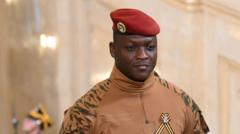
In the heart of West Africa, a seismic shift has occurred, sending shockwaves through the diplomatic corridors of the world. Burkina Faso, a nation once closely tied to France, its former colonial ruler, has severed diplomatic relations with the European power. This drastic move, announced by the military government, comes on the heels of accusations that France has been supporting terrorist groups and pursuing neo-colonial ambitions in the region. The decision, effective immediately, marks a significant break in the long-standing relationship between the two countries. According to Arise News, the junta's move is a response to France's alleged interference in Burkina Faso's internal affairs, which has led to a deterioration of trust between the two nations. This development is not isolated but rather part of a broader trend of African nations reevaluating their relationships with former colonial powers. As reported by BBC News Africa, the West African country's junta has been vocal about its dissatisfaction with France's role in the region, accusing the former colonial power of undermining its national interests. The situation is complex, with historical, cultural, and economic factors at play. Experts suggest that this break could have far-reaching implications, not just for Burkina Faso and France, but for the entire region.
Officials in Burkina Faso have stated that while diplomatic ties are being cut, the historical, cultural, and social bonds between the people of Burkina Faso and France will remain unaffected. However, the immediate effects of this decision are already being felt, with French nationals residing in Burkina Faso being assured of protection under the country's laws. As the situation continues to unfold, analysts are watching closely to see how this will impact the regional dynamics, especially in terms of security and economic cooperation. The move by Burkina Faso is seen by some as a bold assertion of its sovereignty, while others view it as a risky maneuver that could lead to instability. According to TVC News, the Government of Burkina Faso has framed this decision as a necessary step to protect its sovereignty and interests, citing France's continued interference and hostility. This narrative is supported by AfricaNews.com, which reports that Burkina Faso has cut diplomatic ties with France, marking a dramatic break with its former colonial ruler. The military junta, led by Captain Ibrahim Traoré, has accused Paris of repeatedly acting against the country's interests, deepening its shift away from Western allies. As the dust settles, it remains to be seen how this new chapter in Burkina Faso's history will unfold, and what implications it will have for the country, the region, and its former colonial ruler.
The path ahead is fraught with challenges, but also filled with opportunities for Burkina Faso to redefine its place in the world and forge new relationships based on mutual respect and cooperation. This development is a clear indication that the dynamics of international relations are shifting, with nations seeking to assert their independence and sovereignty in a rapidly changing world. The question on everyone's mind now is what the future holds for Burkina Faso and its people, as they navigate this uncharted territory.
The Economic Backdrop: Colonial Legacy, Resource Exploitation, and the Quest for Self-Determination
The economic dimension of the rift between Burkina Faso and France is deeply intertwined with the historical legacy of colonialism. For decades, France has maintained significant economic interests in its former colonies, including Burkina Faso. The country is rich in natural resources, including gold, cotton, and manganese, which have been exploited by French companies. According to analysts, this exploitation has contributed to the economic underdevelopment of Burkina Faso, with the country struggling to achieve economic self-sufficiency. Experts point out that the economic relationship between Burkina Faso and France has been characterized by a form of neo-colonialism, where French companies have dominated key sectors of the economy, stifling local entrepreneurship and development. The junta's decision to cut ties with France is seen, in part, as an attempt to break free from this economic stranglehold and forge a new path based on self-determination and economic independence. As reported by Arise News, the government of Burkina Faso has announced plans to review and renegotiate contracts with French companies, aiming to secure better deals for the country. This move is part of a broader strategy to diversify the economy and reduce dependence on French capital. However, the road to economic independence will be long and challenging, requiring significant investment in infrastructure, education, and local industries.
The international community is watching closely, with some expressing concern over the potential economic fallout of this decision. Despite these challenges, many in Burkina Faso see this as an opportunity for the country to redefine its economic relationships and pursue a more equitable and sustainable development path. According to BBC News Africa, officials in Burkina Faso are exploring new partnerships with other nations, including those in the African continent, to support the country's economic development. This shift towards greater regional cooperation and economic integration could have significant implications for the future of Burkina Faso and the wider West African region. As the country navigates this new economic landscape, it will be crucial to balance the need for foreign investment with the imperative of protecting national interests and promoting local development. The outcome of this endeavor will depend on the ability of the government to implement effective economic policies and negotiate favorable agreements with international partners. The future of Burkina Faso's economy hangs in the balance, as the country embarks on this journey of self-discovery and economic rebirth.
The Cultural and Social Dimension: Identity, Resistance, and the Pursuit of Sovereignty
The cultural and social fabric of Burkina Faso has been significantly impacted by the country's history of colonialism and its subsequent relationship with France. The imposition of French language and culture has had a lasting effect on the country's identity, with many Burkinabés speaking French as a first or second language. However, this has also led to a complex identity crisis, with some in the country feeling a strong connection to French culture, while others see it as a legacy of colonialism that needs to be overcome. According to TVC News, the government of Burkina Faso has been promoting a return to traditional values and the use of local languages, as part of a broader effort to assert the country's cultural sovereignty. This move is seen as a way to resist the cultural hegemony of France and promote a more authentic Burkinabé identity. Experts suggest that this process of cultural rediscovery and reassertion is crucial for the country's development, as it allows Burkinabés to reconnect with their roots and forge a sense of national pride. The social dimension of the break with France is also significant, with many in Burkina Faso viewing the decision as a necessary step towards asserting the country's sovereignty and independence.
As reported by AfricaNews.com, the military junta has been supported by many in the country, who see the move as a bold assertion of Burkina Faso's rights and interests. However, others have expressed concern over the potential social and economic consequences of this decision, particularly for those who have family ties or business interests in France. The international community has been watching the situation closely, with some expressing concern over the potential for instability and conflict. Despite these challenges, the people of Burkina Faso remain resilient, with a strong sense of determination and hope for the future. As the country navigates this new chapter in its history, it will be crucial to balance the need for sovereignty and self-determination with the imperative of promoting social cohesion and economic development. The outcome of this endeavor will depend on the ability of the government to implement effective policies and negotiate favorable agreements with international partners. The future of Burkina Faso's cultural and social landscape hangs in the balance, as the country embarks on this journey of self-discovery and national rebirth.
The Technological and Informational Battlefield: Cybersecurity, Propaganda, and the War for Hearts and Minds
In the digital age, the battle for influence and control is increasingly being fought on the technological and informational front. The break between Burkina Faso and France has not been immune to this trend, with both sides engaging in a war of words and propaganda. According to Arise News, the government of Burkina Faso has been using social media and other digital platforms to promote its narrative and counter French propaganda. This has included the use of cyber diplomacy to reach out to international audiences and promote the country's perspective on the conflict. However, this has also raised concerns over the potential for disinformation and cybersecurity threats, as both sides seek to gain the upper hand in the informational battlefield. Experts point out that the use of technology and social media has been a key factor in the conflict, allowing both sides to mobilize support and promote their narratives. As reported by BBC News Africa, the French government has been accused of using its media outlets to promote a negative image of Burkina Faso and its government, in an attempt to undermine the country's sovereignty and legitimacy. The Burkinabé government has responded by promoting its own narrative, using a combination of traditional and digital media to reach out to local and international audiences.
The war for hearts and minds is being fought on multiple fronts, with both sides seeking to win the support of the international community. The outcome of this battle will depend on the ability of each side to promote a compelling narrative and secure the support of key allies and partners. As the conflict continues to unfold, it is clear that the technological and informational dimension will play a crucial role in shaping the future of Burkina Faso and its relationships with the rest of the world. The use of technology and social media has opened up new avenues for diplomacy and communication, but it has also raised significant challenges and risks. The future of Burkina Faso's digital landscape hangs in the balance, as the country navigates this complex and rapidly evolving environment.
Future Implications: A Blueprint for Sovereignty or a Band-Aid on a Deeper Wound?
As the dust settles on the break between Burkina Faso and France, the future implications of this decision are still unclear. The path ahead is fraught with challenges, but also filled with opportunities for Burkina Faso to redefine its place in the world and forge new relationships based on mutual respect and cooperation. According to TVC News, the government of Burkina Faso has announced plans to diversify its economy and reduce its dependence on French aid and investment. This move is seen as a key step towards achieving economic sovereignty and promoting sustainable development. However, the road to sovereignty will be long and challenging, requiring significant investment in infrastructure, education, and local industries. The international community is watching closely, with some expressing concern over the potential economic fallout of this decision. Despite these challenges, many in Burkina Faso see this as an opportunity for the country to break free from the shackles of neo-colonialism and forge a new path based on self-determination and economic independence. As reported by AfricaNews.com, the military junta has been supported by many in the country, who see the move as a bold assertion of Burkina Faso's rights and interests. The future of Burkina Faso hangs in the balance, as the country navigates this uncharted territory.
The outcome of this endeavor will depend on the ability of the government to implement effective policies and negotiate favorable agreements with international partners. The question on everyone's mind now is what the future holds for Burkina Faso and its people, as they embark on this journey of self-discovery and national rebirth. Will the break with France prove to be a blueprint for sovereignty, or merely a band-aid on a deeper wound? Only time will tell, but one thing is certain - the future of Burkina Faso will be shaped by the decisions made today, and the path chosen will have far-reaching implications for the country, the region, and the world.
0 Comments
Sign in to commentNo comments yet. Be the first to share your thoughts!