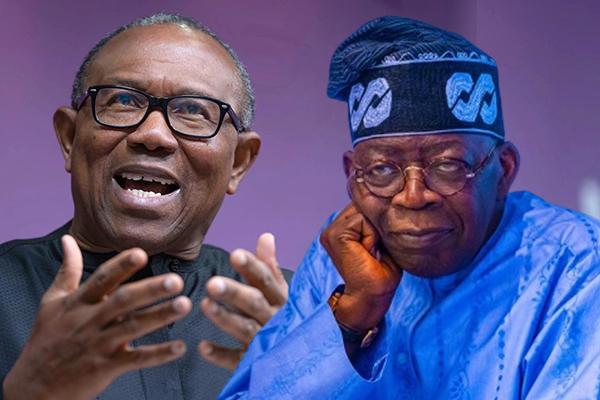
The landscape of Nigerian politics has long been a complex tapestry, woven from threads of diverse opinions, interests, and ideologies. In this intricate narrative, two figures have recently emerged, their paths crossing in a dance of political intrigue. Bola Ahmed Tinubu, the President of Nigeria, and Peter Obi, a former Labour Party presidential candidate, have found themselves at the center of a national conversation, one that speaks to the very heart of the country's governance, economy, and social fabric. According to Vanguard News, Peter Obi has called on President Tinubu to resign, citing poor leadership, worsening insecurity, and growing economic hardship as the rationale behind his demand. This call echoes the sentiments of many Nigerians who feel disillusioned with the current state of affairs. As reported by Politics Nigeria, Obi's statement, shared via his official X account, drew parallels with the resignation of British Prime Minister Keir Starmer, who stepped down amidst growing public dissatisfaction over economic challenges and unmet campaign promises. This comparison is not merely coincidental; it reflects a broader global trend where leaders are being held accountable for their actions and the impact of their policies on the populace. The situation in Nigeria, with its unique blend of cultural, economic, and political challenges, presents a fascinating case study.
Historically, the country has grappled with issues of insecurity, corruption, and economic instability, all of which have been exacerbated by poor governance. The Chibok school kidnapping incident, which occurred during the tenure of former President Goodluck Jonathan, stands as a stark reminder of the consequences of ineffective leadership. In a surprising turn of events, President Tinubu, who has been the subject of Obi's criticism, recently congratulated the Obi of Onitsha, His Majesty, Igwe Nnaemeka Alfred Achebe, on his 85th birthday. This gesture, as reported by TVC News, highlights the complex nature of Nigerian politics, where personal and professional relationships often intersect. Igwe Achebe, a symbol of unity, grace, and integrity, has had a distinguished career, serving as a director in Shell Petroleum Company in Nigeria and other Shell companies across the globe. His birthday celebration serves as a moment of reflection on the values of leadership, unity, and service that he embodies. As Nigeria navigates its current challenges, the example set by figures like Igwe Achebe offers a beacon of hope for a future where leadership is characterized by wisdom, compassion, and a deep understanding of the needs of the people. The contrast between the political landscape and the celebratory tone of Igwe Achebe's birthday underscores the mixed sentiments that pervade the nation.
On one hand, there is a sense of disillusionment and frustration with the political status quo, as expressed by Peter Obi and many Nigerians. On the other hand, there are moments of unity and celebration, like the birthday of the Obi of Onitsha, which remind us of the country's rich cultural heritage and the importance of respecting tradition and leadership. As the country moves forward, it is crucial to reconcile these contrasting sentiments, fostering a political environment that is inclusive, responsive to the needs of its citizens, and guided by the principles of good governance. The future of Nigeria depends on its ability to navigate these complexities, learning from its past while embracing the challenges and opportunities of the present. With the global community watching, the actions of its leaders will be under scrutiny, and the decisions made today will have far-reaching implications for tomorrow. As the narrative of Nigerian politics continues to unfold, one thing is clear: the path ahead will be shaped by the choices made by its leaders and the resilience of its people.
The Economic Backdrop: Challenges, Opportunities, and the Role of Leadership The economic situation in Nigeria is a critical dimension of the country's political landscape. As reported by Leadership Newspaper, the economic hardship faced by many Nigerians has been a focal point of criticism against the current administration. Peter Obi's call for President Tinubu's resignation is partly based on the perceived failure of the government to address economic challenges effectively. The comparison with British Prime Minister Keir Starmer's resignation over similar issues highlights the global nature of economic discontent and the demand for accountable leadership. According to analysts, the Nigerian economy faces significant challenges, including a high rate of inflation, unemployment, and a substantial dependence on oil exports. These challenges are not new but have been exacerbated by recent global events and poor economic management. Historically, Nigeria has struggled to diversify its economy, a situation that has made it vulnerable to fluctuations in the global oil market. The need for economic reform and diversification is pressing, with experts suggesting that investing in agriculture, manufacturing, and human capital could be key strategies for sustainable economic growth. However, implementing such reforms requires visionary leadership, a quality that many feel is lacking in the current political setup. The example of Igwe Achebe, with his background in the oil and gas sector, serves as a reminder of the potential for Nigerian leaders to make a positive impact in critical sectors of the economy. His experience as a director in Shell companies across several countries underscores the importance of international cooperation and the transfer of knowledge in driving economic development. As Nigeria seeks to revitalize its economy, it must look towards models of successful economic transformation, both within and outside the African continent. This involves not only adopting policies that promote economic growth but also ensuring that such growth is inclusive and benefits all segments of society. The role of leadership in this process cannot be overstated. Leaders who are visionary, courageous, and committed to the welfare of their people are essential for driving the reforms needed to address Nigeria's economic challenges. In the context of Nigerian politics, where personal interests often seem to overshadow the public good, the emergence of leaders who prioritize the nation's development over personal gain could be a turning point. The call for President Tinubu's resignation, while controversial, reflects a deeper desire among Nigerians for leadership that is accountable, effective, and genuinely committed to the country's progress. As the economic narrative of Nigeria continues to evolve, the interplay between political leadership, economic policy, and societal expectations will be crucial in determining the country's trajectory.
The Cultural and Social Dimension: Unity, Diversity, and the Grassroots Nigeria is a country of immense cultural and social diversity, with over 250 ethnic groups and more than 500 languages spoken. This diversity is both a strength and a challenge, as it presents opportunities for rich cultural exchange and innovation, while also posing difficulties in terms of unity and cohesion. The political landscape, including the recent calls for President Tinubu's resignation, is deeply influenced by these cultural and social dynamics. According to TVC News, the celebration of the Obi of Onitsha's 85th birthday is a testament to the enduring importance of traditional leadership and cultural heritage in Nigerian society. Igwe Achebe's role as a symbol of unity and integrity highlights the potential for traditional institutions to play a positive role in promoting social cohesion and national unity. However, the current political climate, marked by ethnic and religious tensions, underscores the challenges of building a unified Nigerian identity. Experts suggest that addressing these challenges requires a leadership that is inclusive, respectful of diversity, and committed to the principles of justice and equality. The grassroots level is where the impact of political decisions is most keenly felt, and it is here that the legitimacy of any government is ultimately tested. As reported by Vanguard News, Peter Obi's call for President Tinubu's resignation has resonated with many at the grassroots level, who feel that the current administration has failed to address their basic needs and aspirations. The economic hardship, insecurity, and lack of access to basic services such as healthcare and education are just a few of the issues that have eroded trust in the government. To rebuild this trust, leaders must engage more effectively with the grassroots, listening to their concerns and developing policies that are responsive to their needs. This involves not only political will but also a genuine commitment to democracy and the principles of accountability and transparency. As Nigeria navigates its complex cultural and social landscape, the need for a leadership that can inspire unity, promote diversity, and empower the grassroots cannot be overstated. The future of the country depends on its ability to harness its diversity as a strength, rather than allowing it to become a source of division and conflict. In this context, the role of traditional leaders like Igwe Achebe, and the political leaders who are willing to listen and learn from them, will be crucial in shaping a more inclusive and equitable society.
The Technological and Informational Battlefield: Social Media, News, and the Public Sphere The advent of social media and digital technologies has transformed the informational landscape of Nigeria, creating new avenues for political engagement, information dissemination, and public discourse. According to Politics Nigeria, Peter Obi's use of his official X account to call for President Tinubu's resignation highlights the increasingly important role of social media in Nigerian politics. Social media platforms have become crucial spaces for political mobilization, with many Nigerians turning to these platforms to express their opinions, share information, and mobilize support for various causes. However, this digital landscape is also fraught with challenges, including the spread of misinformation, hate speech, and the manipulation of public opinion. Experts warn that the lack of regulation and the ease with which false information can be disseminated pose significant risks to the integrity of the public sphere and the stability of the political system. In this context, the responsibility of leaders to use social media and other digital platforms wisely, promoting truth, respect, and constructive dialogue, cannot be overstated. The celebration of Igwe Achebe's birthday, as reported by TVC News, demonstrates how traditional institutions can leverage digital media to promote their values and connect with a wider audience. This blend of tradition and modernity offers a powerful model for how Nigerian leaders can engage with the public in a more effective and inclusive manner. As Nigeria moves forward, the technological and informational dimensions of its political landscape will continue to evolve, presenting both opportunities and challenges. The key to navigating these complexities lies in the development of a regulatory framework that balances freedom of expression with the need to protect the public from harmful content. Moreover, leaders must be proactive in promoting digital literacy and critical thinking, empowering Nigerians to navigate the digital world with confidence and discernment. By doing so, Nigeria can harness the potential of digital technologies to strengthen its democracy, promote transparency, and build a more informed and engaged citizenry.
Future Implications: A Blueprint for Sustainable Development As Nigeria looks to the future, the implications of its current political, economic, and social trajectories are far-reaching. The call for President Tinubu's resignation, the celebration of Igwe Achebe's birthday, and the broader discussions around leadership, economy, and society all point to a critical juncture in the country's history. According to analysts, the next steps taken by Nigerian leaders will be decisive in shaping the country's future, determining whether it continues down a path of instability and stagnation or embarks on a journey of sustainable development and prosperity. A key part of this journey involves addressing the economic challenges facing the country, including the need for diversification, investment in human capital, and the promotion of inclusive growth. This requires a leadership that is visionary, courageous, and committed to the welfare of all Nigerians, not just a privileged few. The example of Igwe Achebe, with his distinguished career and commitment to public service, offers a powerful model for the kind of leadership that Nigeria needs. His emphasis on unity, integrity, and service to the community underscores the values that must guide Nigerian leaders as they navigate the complexities of the 21st century. Furthermore, the role of technology and social media in Nigerian politics will continue to grow, presenting opportunities for greater engagement, transparency, and accountability. However, this also necessitates a concerted effort to regulate the digital space, promote digital literacy, and ensure that the benefits of technological advancement are equitably distributed. As Nigeria moves forward, it must draw on its rich cultural heritage, its diversity, and its resilience to build a brighter future. This involves not only political reforms but also a deeper transformation of the country's social and economic structures, ensuring that all Nigerians have access to the opportunities and resources they need to thrive. The future of Nigeria is not predetermined; it is a canvas waiting to be painted by the actions of its leaders and the aspirations of its people. With wisdom, courage, and a commitment to the common good, Nigeria can overcome its current challenges and emerge as a beacon of hope and prosperity in Africa and beyond.
📰 Sources Cited
- Politics Nigeria: BREAKING: Peter Obi Tells Tinubu to Resign, Cites United Kingdom PM’s Example
- Vanguard News: Starmer’s Resignation: Obi asks Tinubu to resign over ‘failure in governance’
- Leadership Newspaper: Tinubu Felicitates Obi Of Onitsha At 85
- TVC News: Tinubu Celebrates Obi of Onitsha, Igwe Nnaemeka Achebe at 85
0 Comments
Sign in to commentNo comments yet. Be the first to share your thoughts!