Skip to Content

The Scales of Justice: A Bail Revoked, A Future Uncertain

Samuel Chimezie Okechukwu (Great Nigeria - Story Teller)
06/18/2026
DEEP DIVE

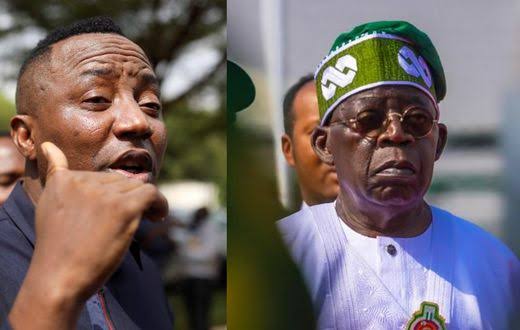
The Federal High Court in Abuja, Nigeria, has become the focal point of a brewing storm as it revoked the bail granted to Omoyele Sowore, a prominent activist and publisher of Sahara Reporters, on Tuesday, June 16. The court's decision, led by Justice Mohammed Umar, was a direct response to Sowore's failure to appear in court for the continuation of his trial, which has been marred by controversy and allegations of cyberstalking. As reported by Vanguard News, Sowore was standing trial on a two-count charge filed by the Department of State Services (DSS), bordering on alleged cyberstalking over a social media post in which he referred to President Bola Tinubu as a "criminal." The court's decision to revoke Sowore's bail and issue a bench warrant for his arrest has sent shockwaves through Nigeria's political and social landscape, raising questions about the intersection of free speech, activism, and the rule of law. According to Channels TV, Justice Umar revoked Sowore's bail following his failure to appear in court, despite being aware of the scheduled hearing. The prosecution, led by Kehinde Akinlolu, had urged the court to revoke the defendant's bail, citing his failure to appear and his alleged persistent efforts to delay the trial.


As the news of the court's decision spread, it became clear that Sowore's case is not just about one individual's fate but also about the broader implications for Nigeria's democracy and its fragile balance between freedom of expression and the limits of tolerance.

The Turbulent Trial: A History of Contention

Sowore's trial has been a rollercoaster ride of legal twists and turns, with the activist's absence on the last court date being the latest development to spark controversy. According to PM News Nigeria, Sowore had written to the court seeking an adjournment, but the letter did not provide any reason for the request, a fact that Justice Umar found unsatisfactory. The judge subsequently revoked the bail and adjourned the matter until June 22 for hearing. Sowore's decision to represent himself before the court after his legal team withdrew from the case added another layer of complexity to the proceedings. As reported by ICIR Nigeria, Sowore had earlier asked the trial judge to recuse himself from the trial and remit the case file to the chief judge for reassignment to another judge, further complicating the legal landscape. The back-and-forth between Sowore and the court has highlighted the tense dynamics at play, with the activist's supporters viewing the trial as a test case for freedom of speech in Nigeria. An expert on Nigerian law noted that the court's decision to revoke Sowore's bail underscores the challenges faced by activists and journalists in the country, where the line between free speech and cyberstalking can often become blurred.


The economic implications of such cases are also significant, as they can impact investor confidence and the overall business environment in Nigeria.

The Cultural and Social Dimension: Free Speech Under Siege

The revocation of Sowore's bail has ignited a fierce debate about the state of free speech in Nigeria, a country where social media has become a powerful tool for political expression and mobilization. Sowore's social media post, which led to the charges against him, has been seen by many as a form of political dissent, a fundamental right that is enshrined in Nigeria's constitution. However, the government's response, as represented by the DSS's charges against Sowore, suggests a more nuanced view of free speech, one that is tempered by the need to maintain public order and respect for authority. According to Politics Nigeria, the court's decision has been met with criticism from Sowore's supporters, who argue that the trial is politically motivated and aimed at silencing a vocal critic of the government. A human rights analyst noted that cases like Sowore's highlight the need for clearer guidelines on what constitutes cyberstalking in the context of political speech, to avoid the criminalization of dissent. The cultural implications of this case are far-reaching, as they touch on the values of free expression and the role of activism in Nigerian society. The social dimension of this case is also significant, as it reflects the tensions between the government and civil society in Nigeria.

The Technological and Informational Battlefield: Social Media and the Law

The Sowore case is also a reflection of the changing nature of political discourse in the digital age, where social media platforms have become critical arenas for political engagement and contestation. The use of social media by activists like Sowore to mobilize support and critique government policies has raised important questions about the regulation of online content and the limits of free speech in the digital sphere. As reported by Google News Nigeria, the DSS's charges against Sowore are part of a broader trend of governments around the world grappling with the challenges of regulating social media while protecting fundamental rights. A tech expert noted that the outcome of Sowore's case could have significant implications for how social media is regulated in Nigeria, potentially setting a precedent for the treatment of online political speech. The technological dimension of this case is critical, as it highlights the need for a nuanced understanding of the role of social media in modern politics. The informational battlefield is also a key aspect of this case, as it reflects the struggle for control over the narrative and the flow of information in Nigerian society.

Future Implications: A Blueprint for Free Speech or a Precedent for Censorship?

As Sowore's case continues to unfold, its outcome will likely have far-reaching implications for Nigeria's democracy, particularly in the areas of free speech and political activism. If the court ultimately convicts Sowore, it could set a precedent for the prosecution of other activists and journalists who use social media to critique government policies, potentially chilling free speech in the country. On the other hand, if Sowore is acquitted, it could reinforce the importance of protecting political dissent and free speech, even in the face of government criticism. According to Vanguard News, the international community is watching Sowore's case closely, with many viewing it as a test of Nigeria's commitment to democratic values and human rights. A government official noted that the outcome of the case will be closely watched, not just within Nigeria but also by international observers who are concerned about the state of democracy and free speech in the country. As the case moves forward, one thing is clear: the fate of Omoyele Sowore will be a significant indicator of the future of free speech and political activism in Nigeria, a country that is navigating the complex challenges of the digital age. The future implications of this case are profound, and it remains to be seen whether it will serve as a blueprint for free speech or a precedent for censorship in Nigeria.

📰 Sources Cited

Live Updates

Nigerian Court Revokes Bail for Activist Omoyele Sowore Over Non-Appearance

Sowore's case has garnered significant attention both domestically and internationally, with many viewing it as a test of Nigeria's commitment to freedom of speech and the rule of law. The international community and human rights organizations are likely to be watching the developments closely, given Sowore's prominence as a political activist and the potential repercussions for political dissent in Nigeria. As more information becomes available, the response from these groups and the Nigerian government's stance on the matter will be crucial in understanding the broader implications of the court's decision.

No comments yet. Be the first to share your thoughts!

The Scales of Justice: A Bail Revoked, A Future Uncertain

Samuel Chimezie Okechukwu (Great Nigeria - Story Teller)
06/18/2026
DEEP DIVE

The Federal High Court in Abuja, Nigeria, has become the focal point of a brewing storm as it revoked the bail granted to Omoyele Sowore, a prominent activist and publisher of Sahara Reporters, on Tuesday, June 16. The court's decision, led by Justice Mohammed Umar, was a direct response to Sowore's failure to appear in court for the continuation of his trial, which has been marred by controversy and allegations of cyberstalking. As reported by Vanguard News, Sowore was standing trial on a two-count charge filed by the Department of State Services (DSS), bordering on alleged cyberstalking over a social media post in which he referred to President Bola Tinubu as a "criminal." The court's decision to revoke Sowore's bail and issue a bench warrant for his arrest has sent shockwaves through Nigeria's political and social landscape, raising questions about the intersection of free speech, activism, and the rule of law. According to Channels TV, Justice Umar revoked Sowore's bail following his failure to appear in court, despite being aware of the scheduled hearing. The prosecution, led by Kehinde Akinlolu, had urged the court to revoke the defendant's bail, citing his failure to appear and his alleged persistent efforts to delay the trial.


As the news of the court's decision spread, it became clear that Sowore's case is not just about one individual's fate but also about the broader implications for Nigeria's democracy and its fragile balance between freedom of expression and the limits of tolerance.

The Turbulent Trial: A History of Contention

Sowore's trial has been a rollercoaster ride of legal twists and turns, with the activist's absence on the last court date being the latest development to spark controversy. According to PM News Nigeria, Sowore had written to the court seeking an adjournment, but the letter did not provide any reason for the request, a fact that Justice Umar found unsatisfactory. The judge subsequently revoked the bail and adjourned the matter until June 22 for hearing. Sowore's decision to represent himself before the court after his legal team withdrew from the case added another layer of complexity to the proceedings. As reported by ICIR Nigeria, Sowore had earlier asked the trial judge to recuse himself from the trial and remit the case file to the chief judge for reassignment to another judge, further complicating the legal landscape. The back-and-forth between Sowore and the court has highlighted the tense dynamics at play, with the activist's supporters viewing the trial as a test case for freedom of speech in Nigeria. An expert on Nigerian law noted that the court's decision to revoke Sowore's bail underscores the challenges faced by activists and journalists in the country, where the line between free speech and cyberstalking can often become blurred.


The economic implications of such cases are also significant, as they can impact investor confidence and the overall business environment in Nigeria.

The Cultural and Social Dimension: Free Speech Under Siege

The revocation of Sowore's bail has ignited a fierce debate about the state of free speech in Nigeria, a country where social media has become a powerful tool for political expression and mobilization. Sowore's social media post, which led to the charges against him, has been seen by many as a form of political dissent, a fundamental right that is enshrined in Nigeria's constitution. However, the government's response, as represented by the DSS's charges against Sowore, suggests a more nuanced view of free speech, one that is tempered by the need to maintain public order and respect for authority. According to Politics Nigeria, the court's decision has been met with criticism from Sowore's supporters, who argue that the trial is politically motivated and aimed at silencing a vocal critic of the government. A human rights analyst noted that cases like Sowore's highlight the need for clearer guidelines on what constitutes cyberstalking in the context of political speech, to avoid the criminalization of dissent. The cultural implications of this case are far-reaching, as they touch on the values of free expression and the role of activism in Nigerian society. The social dimension of this case is also significant, as it reflects the tensions between the government and civil society in Nigeria.

The Technological and Informational Battlefield: Social Media and the Law

The Sowore case is also a reflection of the changing nature of political discourse in the digital age, where social media platforms have become critical arenas for political engagement and contestation. The use of social media by activists like Sowore to mobilize support and critique government policies has raised important questions about the regulation of online content and the limits of free speech in the digital sphere. As reported by Google News Nigeria, the DSS's charges against Sowore are part of a broader trend of governments around the world grappling with the challenges of regulating social media while protecting fundamental rights. A tech expert noted that the outcome of Sowore's case could have significant implications for how social media is regulated in Nigeria, potentially setting a precedent for the treatment of online political speech. The technological dimension of this case is critical, as it highlights the need for a nuanced understanding of the role of social media in modern politics. The informational battlefield is also a key aspect of this case, as it reflects the struggle for control over the narrative and the flow of information in Nigerian society.

Future Implications: A Blueprint for Free Speech or a Precedent for Censorship?

As Sowore's case continues to unfold, its outcome will likely have far-reaching implications for Nigeria's democracy, particularly in the areas of free speech and political activism. If the court ultimately convicts Sowore, it could set a precedent for the prosecution of other activists and journalists who use social media to critique government policies, potentially chilling free speech in the country. On the other hand, if Sowore is acquitted, it could reinforce the importance of protecting political dissent and free speech, even in the face of government criticism. According to Vanguard News, the international community is watching Sowore's case closely, with many viewing it as a test of Nigeria's commitment to democratic values and human rights. A government official noted that the outcome of the case will be closely watched, not just within Nigeria but also by international observers who are concerned about the state of democracy and free speech in the country. As the case moves forward, one thing is clear: the fate of Omoyele Sowore will be a significant indicator of the future of free speech and political activism in Nigeria, a country that is navigating the complex challenges of the digital age. The future implications of this case are profound, and it remains to be seen whether it will serve as a blueprint for free speech or a precedent for censorship in Nigeria.

📰 Sources Cited

Live Updates

Nigerian Court Revokes Bail for Activist Omoyele Sowore Over Non-Appearance

Sowore's case has garnered significant attention both domestically and internationally, with many viewing it as a test of Nigeria's commitment to freedom of speech and the rule of law. The international community and human rights organizations are likely to be watching the developments closely, given Sowore's prominence as a political activist and the potential repercussions for political dissent in Nigeria. As more information becomes available, the response from these groups and the Nigerian government's stance on the matter will be crucial in understanding the broader implications of the court's decision.

No comments yet. Be the first to share your thoughts!

Cinematic