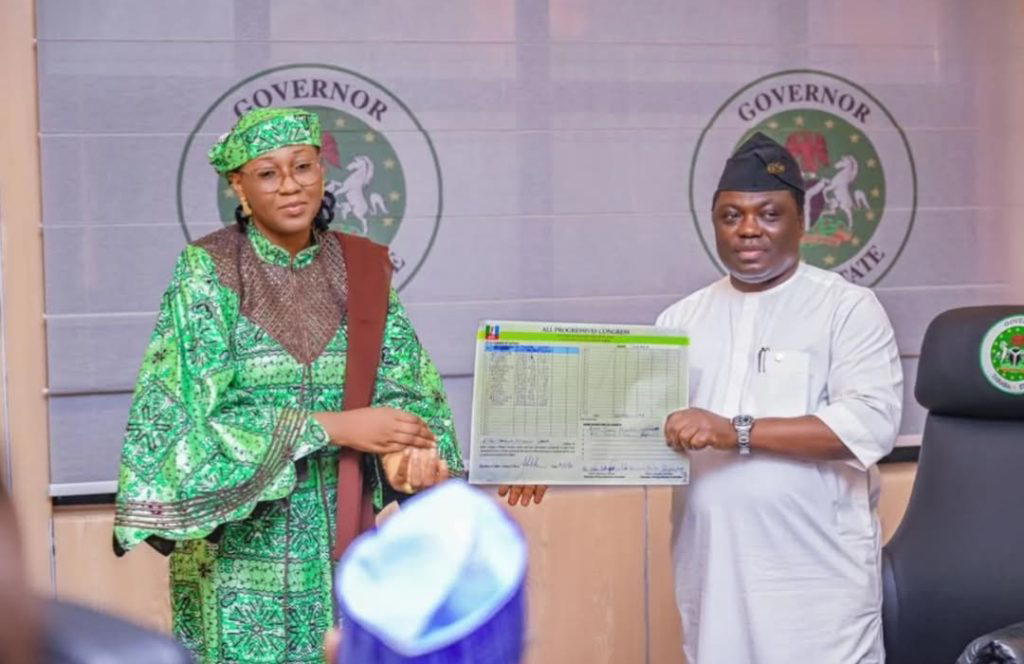
In the vast and complex landscape of Nigerian politics, the recent APC governorship primaries have woven a intricate narrative of power struggles, alliances, and the relentless pursuit of leadership. As the country inches closer to the 2027 elections, the All Progressives Congress (APC) has emerged as a dominant force, with its candidates vying for the top spot in various states. According to Premium Times, a total of 23 candidates have emerged from the APC governorship primaries, each with their own unique story and vision for the future. Senator Ahmed Aliyu Wadada, who recently won the primary in his state, has called for unity and collaborative action amongst party faithful, emphasizing the need for a cohesive front in the face of impending elections. As reported by Blueprint Newspapers, Wadada's victory has been met with a mix of excitement and apprehension, as party members navigate the delicate balance of power and loyalty. Meanwhile, Governor Agbu Kefas has secured the APC ticket for a second term in Taraba State, polling an impressive 166,357 votes, as noted by Punch Nigeria. Kefas's victory has been seen as a testament to his leadership and vision for the state, with many hoping that he will continue to deliver on his promises of good governance.
However, the road to victory has not been without its challenges, as disquiet and protests have erupted in some quarters, with some candidates expressing dissatisfaction with the outcome of the primaries. As Vanguard News reported, Yusuf Tuggar, a former Minister of Foreign Affairs, lost the governorship ticket of the APC in Bauchi State, coming in second to Mohammed Abubakar, who polled 57,517 votes. The outcome of the primaries has significant implications for the future of the APC and the country as a whole, with many analysts predicting a fierce battle for the top spot in the upcoming elections. As the party navigates the complex web of alliances and rivalries, one thing is clear: the pursuit of power and leadership will stop at nothing. The question on everyone's mind is, what does the future hold for the APC and the people of Nigeria? The answer, much like the primaries themselves, remains shrouded in uncertainty, as the country waits with bated breath for the next chapter in this unfolding drama.
The Economic Backdrop: A Canvas of Contrasts
The economic landscape of Nigeria is a complex tapestry of contrasts, with poverty and wealth existing side by side. As the country struggles to find its footing in a rapidly changing global economy, the APC governorship primaries have brought to the forefront the issue of economic development and governance. According to experts, the APC's economic policies have been a mixed bag, with some states experiencing significant growth and others struggling to stay afloat. As reported by Google News Nigeria, the APC governorship primaries have been marked by controversy and protests, with some candidates accusing the party of favoritism and others expressing dissatisfaction with the outcome. Despite these challenges, the APC remains committed to its vision of economic development and growth, with many of its candidates promising to deliver on their campaign promises. Governor Agbu Kefas, for example, has pledged to continue his good governance agenda, which has been credited with bringing significant economic growth to Taraba State. However, others have been more critical, arguing that the APC's economic policies have failed to address the root causes of poverty and inequality. As the country moves forward, it remains to be seen whether the APC's economic vision will be enough to propel it to victory in the upcoming elections.
One thing is certain, however: the economic future of Nigeria hangs in the balance, and the outcome of the elections will have far-reaching implications for the country and its people. As the APC navigates the complex web of economic development and governance, it must also contend with the challenges of corruption, inequality, and poverty, all of which threaten to undermine its vision for a prosperous and stable Nigeria. The road ahead will be long and difficult, but with the right leadership and policies, there is hope that the APC can deliver on its promises and bring about a brighter future for all Nigerians.
The Cultural and Social Dimension: A Mosaic of Identity and Values
The cultural and social landscape of Nigeria is a rich and diverse mosaic of identity and values, with different ethnic and religious groups bringing their unique perspectives and traditions to the table. As the APC governorship primaries have shown, this diversity can be both a strength and a weakness, as different groups and individuals vie for power and influence. According to Punch Nigeria, the APC primaries have been marked by a mix of excitement and tension, as party members navigate the complex web of alliances and rivalries. Governor Agbu Kefas's victory in Taraba State, for example, has been seen as a testament to his ability to build bridges and forge alliances across different ethnic and religious groups. However, others have been more critical, arguing that the APC's approach to diversity and inclusion has been inadequate, and that the party has failed to address the root causes of social and economic inequality. As reported by Vanguard News, Yusuf Tuggar's loss in the APC governorship primary in Bauchi State has been seen as a setback for the party's efforts to promote diversity and inclusion. Despite these challenges, the APC remains committed to its vision of a united and prosperous Nigeria, with many of its candidates promising to deliver on their campaign promises.
As the country moves forward, it remains to be seen whether the APC's approach to diversity and inclusion will be enough to propel it to victory in the upcoming elections. One thing is certain, however: the cultural and social future of Nigeria hangs in the balance, and the outcome of the elections will have far-reaching implications for the country and its people. As the APC navigates the complex web of identity and values, it must also contend with the challenges of social and economic inequality, all of which threaten to undermine its vision for a united and prosperous Nigeria. The road ahead will be long and difficult, but with the right leadership and policies, there is hope that the APC can deliver on its promises and bring about a brighter future for all Nigerians.
The Technological and Informational Battlefield: A War of Wits and Strategy
The technological and informational landscape of Nigeria is a rapidly evolving battlefield, with different groups and individuals using social media and other digital platforms to shape public opinion and influence the outcome of the elections. As the APC governorship primaries have shown, this battlefield is fraught with challenges and opportunities, as party members navigate the complex web of online discourse and misinformation. According to Google News Nigeria, the APC primaries have been marked by a mix of excitement and tension, as party members use social media to promote their candidates and shape public opinion. Governor Agbu Kefas's victory in Taraba State, for example, has been credited in part to his effective use of social media, which helped him to build a strong online presence and connect with voters. However, others have been more critical, arguing that the APC's approach to social media has been inadequate, and that the party has failed to address the root causes of online misinformation and disinformation. As reported by Premium Times, the APC governorship primaries have been marked by controversy and protests, with some candidates accusing the party of favoritism and others expressing dissatisfaction with the outcome. Despite these challenges, the APC remains committed to its vision of a technologically savvy and informed Nigeria, with many of its candidates promising to deliver on their campaign promises.
As the country moves forward, it remains to be seen whether the APC's approach to technology and information will be enough to propel it to victory in the upcoming elections. One thing is certain, however: the technological and informational future of Nigeria hangs in the balance, and the outcome of the elections will have far-reaching implications for the country and its people. As the APC navigates the complex web of online discourse and misinformation, it must also contend with the challenges of cyber security, data protection, and online freedom, all of which threaten to undermine its vision for a technologically advanced and informed Nigeria. The road ahead will be long and difficult, but with the right leadership and policies, there is hope that the APC can deliver on its promises and bring about a brighter future for all Nigerians.
Future Implications: A Blueprint for Progress or a Band-Aid on a Broken System?
As the APC governorship primaries come to a close, the future implications of the outcome are still unfolding. Will the APC's vision for a united and prosperous Nigeria be enough to propel it to victory in the upcoming elections, or will the party's challenges and controversies undermine its chances? According to experts, the outcome of the elections will have far-reaching implications for the country and its people, with the potential to shape the course of Nigerian history for generations to come. As reported by Vanguard News, Governor Agbu Kefas's victory in Taraba State has been seen as a testament to his leadership and vision for the state, with many hoping that he will continue to deliver on his promises of good governance. However, others have been more critical, arguing that the APC's approach to governance has been inadequate, and that the party has failed to address the root causes of poverty, inequality, and social injustice. As the country moves forward, it remains to be seen whether the APC's vision for a united and prosperous Nigeria will be enough to propel it to victory in the upcoming elections. One thing is certain, however: the future of Nigeria hangs in the balance, and the outcome of the elections will have far-reaching implications for the country and its people.
As the APC navigates the complex web of challenges and opportunities, it must also contend with the challenges of corruption, inequality, and poverty, all of which threaten to undermine its vision for a united and prosperous Nigeria. The road ahead will be long and difficult, but with the right leadership and policies, there is hope that the APC can deliver on its promises and bring about a brighter future for all Nigerians. Ultimately, the future of Nigeria will depend on the ability of its leaders to navigate the complex web of challenges and opportunities, and to deliver on their promises of good governance, economic development, and social justice. As the country moves forward, it remains to be seen whether the APC's vision for a united and prosperous Nigeria will be enough to propel it to victory in the upcoming elections, or whether the party's challenges and controversies will undermine its chances. Only time will tell, but one thing is certain: the future of Nigeria is at stake, and the outcome of the elections will have far-reaching implications for the country and its people.
📰 Sources Cited
- Blueprint Newspapers: Wadada calls for unity among APC members after governorship primary victory
- Punch Nigeria: Kefas emerges APC governorship candidate in Taraba
- Google News Nigeria: UPDATED: APC Governorship Primaries: How 23 candidates emerge as Fubara withdraws, Pantami protests - Premium Times Nigeria
- Politics Nigeria: JUST IN: After Adelabu, Another Ex-Minister loses APC Governorship Primaries
- Vanguard News: Taraba 2027: Kefas secures APC ticket for second term
0 Comments
Sign in to commentNo comments yet. Be the first to share your thoughts!