Skip to Content

The Unlikely Refusal: A Presidency Spurned in Nigeria's Season of Ambition

Samuel Chimezie Okechukwu (Great Nigeria - Story Teller)
08/12/2026
DEEP DIVE

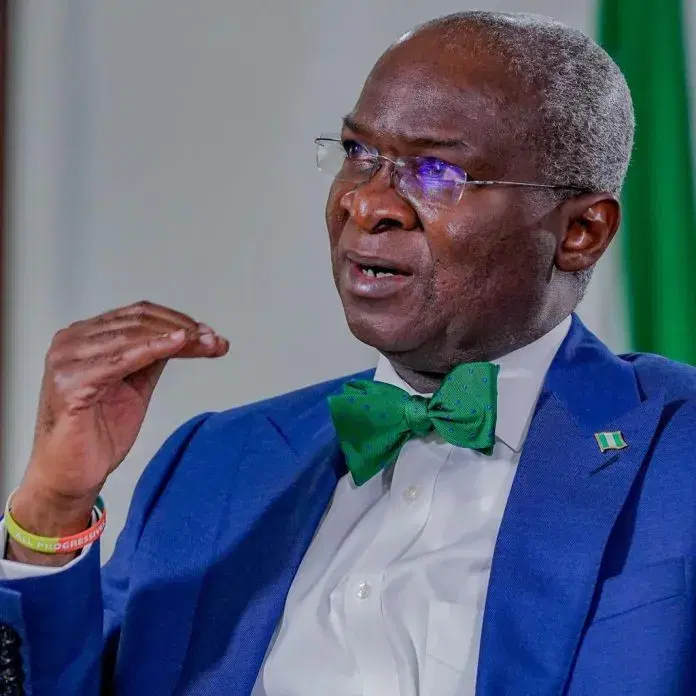
In the midst of Nigeria's fervent political landscape, where the drums of electioneering beat incessantly, a figure once touted as a potential contender for the nation's highest office has made a surprising declaration. Babatunde Fashola, the erstwhile Minister of Works and former Governor of Lagos State, has categorically stated his disinterest in contesting for the presidency. This announcement, carried by several news outlets including Punch Nigeria, PM News Nigeria, Sun News Online, and Vanguard News, among others, has sent ripples through the political community, leaving many to ponder the implications of such a decision. As reported by Punch Nigeria, Fashola's statement was clear and direct, leaving no room for speculation about his political ambitions. According to PM News Nigeria, Fashola's journey in public service has been an "unimaginable privilege," a sentiment that underscores his commitment to the nation's development, albeit not through the presidency. The declaration, made during an interview on TVC, as noted by Sun News Online, has been seen by some as a strategic move, while others view it as a genuine expression of his desire to focus on other aspects of his life and career. Vanguard News captured the essence of Fashola's current mindset, quoting him as saying he is satisfied with being "president at home," a statement that reflects his contentment with his personal and family life.


With over two decades of experience in public service, Fashola's decision to step back from the presidential race is a significant development in Nigeria's political sphere. As an individual who has risen through the ranks, from a humble beginning to prominence, Fashola's story is one of inspiration, and his hope, as expressed to the media, is that his journey inspires another generation about the possibilities of the country. The question on many lips now is what this decision means for the future of Nigerian politics and whether it will have a ripple effect on the ambitions of other potential candidates. As the nation moves towards its next general elections, the political landscape is bound to witness more shifts and realignments, with Fashola's declaration being just the beginning of a series of events that will shape the country's political destiny. With his extensive background in governance and public service, Fashola's influence on Nigerian politics is undeniable, and his decision not to run for the presidency will undoubtedly be felt across the political spectrum. As the country navigates through these complex political waters, one thing is clear: the path to the presidency has just become less predictable, and the field is now open for other aspirants to stake their claims.


The coming months will be crucial in determining the direction of the country, and all eyes will be on the political class to see how they respond to Fashola's declaration and the opportunities it presents. As Nigeria stands at this crossroads, the choices made by its political leaders will have far-reaching consequences, not just for the political elite, but for the nation as a whole. The future of Nigerian politics is at a critical juncture, and the decisions of individuals like Fashola will play a significant role in shaping its trajectory.

The Landscape of Nigerian Politics: Ambition, Aspiration, and the Fashola Factor

Nigerian politics is known for its complexity and dynamism, with a multitude of factors influencing the decisions of its key players. The announcement by Fashola, a figure with a significant following and respect across the political divide, has added another layer to this complex landscape. As reported by Sun News Online, Fashola's decision is seen by some as a strategic move to avoid the fray of presidential politics, which can be highly divisive and demanding. On the other hand, Vanguard News notes that Fashola's statement could also be interpreted as a genuine reflection of his personal and professional priorities at this stage of his life. According to PM News Nigeria, Fashola's public service career, which spans over two decades, has been marked by significant achievements and challenges, providing him with a unique perspective on the nation's governance and development. The fact that Fashola has chosen to step aside from the presidential race at this point in time speaks volumes about his understanding of the political climate and his own aspirations. As Punch Nigeria points out, Fashola's declaration has significant implications for the political calculations of other potential candidates, who may now see an opportunity to fill the gap left by his decision.


The political parties, too, will be watching the situation closely, as they navigate their own internal dynamics and strategize for the upcoming elections. In this context, Fashola's decision not to contest the presidency can be seen as a pivotal moment, one that could influence the direction of political alliances, the emergence of new candidates, and the overall tone of the electoral campaign. With the 2027 presidential election looming on the horizon, the stakes are high, and every move by a significant political figure like Fashola is scrutinized for its potential impact on the outcome. As the nation prepares for this critical election, the role of individuals like Fashola, who have dedicated their careers to public service, will be closely watched. Their decisions, whether to participate in the electoral process or to support other candidates, will carry significant weight. In the end, the future of Nigerian politics will be shaped by the collective choices of its political leaders, and Fashola's decision is just one of the many factors that will influence the trajectory of the country's development. The months ahead will be filled with intense political activity, as candidates and parties jockey for position, and the electorate prepares to make its voice heard.


Through it all, the legacy of public servants like Fashola will serve as a reminder of the importance of dedicated leadership and the need for a new generation of politicians who can inspire and lead the nation towards a brighter future. As Nigeria moves forward, the challenge will be to build on the foundations laid by figures like Fashola, to ensure that the country's political system serves the interests of all its citizens, and to create a future where ambition and aspiration are harnessed for the common good. The path ahead is fraught with challenges, but with the right leadership and a commitment to the principles of democracy and development, Nigeria can overcome its current obstacles and achieve its full potential. The decision by Fashola to forgo his presidential ambitions is a significant moment in this journey, one that underscores the complexity and the opportunities inherent in Nigerian politics.

The Economic Backdrop: Growth, Challenges, and the Role of Leadership

The economic context of Nigeria, a country with immense potential but also facing significant challenges, provides a critical backdrop against which political decisions are made. As noted by various economic analysts, Nigeria's economy has been on a path of recovery and growth, albeit with fluctuations, over the past few years. However, the country still grapples with issues of poverty, inequality, and infrastructure deficits, which impact the quality of life of its citizens and the attractiveness of the country to investors. In this scenario, the role of leadership is paramount. Leaders who can articulate a clear vision for the country's economic development, who can inspire confidence among investors, and who can make tough decisions to drive growth and stability are essential. Fashola, with his experience as a governor and a minister, has been at the forefront of efforts to improve Nigeria's infrastructure and enhance its economic competitiveness. His decision not to run for the presidency, therefore, also has economic implications, as it means that his unique blend of experience and expertise will not be directly applied to the highest office in the land. According to experts, the next president of Nigeria will face significant economic challenges, including the need to diversify the economy, reduce dependence on oil, and invest in human capital and infrastructure.


The ability of the political class to respond to these challenges, to formulate and implement policies that drive sustainable growth and development, will be crucial. In the absence of Fashola from the presidential race, other candidates will need to step up and demonstrate their capacity to lead the country through these complex economic times. The economic future of Nigeria is closely tied to its political stability and the quality of its leadership. As the country navigates the challenges of economic development, the importance of having leaders who understand the nuances of economic policy, who can negotiate the complex landscape of international trade and finance, and who are committed to the welfare of all Nigerians cannot be overstated. The decision by Fashola to focus on his personal and family life, as reported by Vanguard News, while significant, does not diminish the need for visionary and effective leadership in Nigeria. Instead, it underscores the responsibility that lies with other political leaders to rise to the challenge, to offer the country a compelling vision for its future, and to work tirelessly to ensure that this vision becomes a reality. The economic dimension of Nigerian politics is intricate, influenced by a myriad of factors, including global trends, regional dynamics, and domestic policies.


As the country looks to the future, the interplay between economic development, political stability, and leadership quality will be decisive. Fashola's decision, while a personal choice, reflects the broader challenges and opportunities that Nigeria faces in its journey towards becoming a more prosperous and equitable society. The path to achieving this goal is long and complex, requiring dedication, strategic thinking, and a commitment to the common good. As Nigeria moves forward, the legacy of leaders like Fashola will continue to inspire and guide the nation, even as new leaders emerge to take on the challenges of the future.

The Cultural and Social Dimension: Identity, Values, and the Grassroots

Nigerian society is rich in diversity, with a complex tapestry of cultures, languages, and traditions. The country's political landscape is deeply influenced by these cultural and social factors, which shape the identities, values, and aspirations of its citizens. In this context, the decision by Fashola not to contest the presidency has cultural and social implications, as it reflects and influences the broader discourse on leadership, identity, and national values. As a figure who has been involved in public service for over two decades, Fashola's commitment to the nation's development and his dedication to inspiring a new generation of leaders are well-documented. His statement, as carried by PM News Nigeria, that he hopes his journey inspires another generation about the possibilities of the country, underscores his belief in the potential of Nigeria and its people. The cultural and social dimension of Nigerian politics is critical, as it speaks to the very essence of the nation's identity and its values. Leaders who can connect with the grassroots, who understand the daily struggles and aspirations of ordinary Nigerians, and who can articulate a vision that resonates with the broader population are essential for building a cohesive and progressive society. Fashola's decision, while personal, also reflects the evolving nature of Nigerian society, where issues of identity, religion, ethnicity, and region play significant roles in shaping political allegiances and aspirations.


The next president of Nigeria will need to navigate these complex cultural and social dynamics with sensitivity and wisdom, ensuring that the country remains united and focused on its development goals. According to analysts, the cultural and social fabric of Nigeria is both its greatest strength and its most significant challenge. The ability of its leaders to harness the diversity of the country, to celebrate its richness, and to use it as a foundation for national unity and progress will be a defining feature of the nation's future. In the months and years ahead, the political class will be under scrutiny to demonstrate its commitment to these values, to show that it is in tune with the aspirations of the grassroots, and to lead the country towards a future where every citizen feels included, valued, and empowered. The decision by Fashola to step aside from the presidential race is a reminder that leadership is not just about personal ambition but about service, sacrifice, and a genuine commitment to the welfare of the people. As Nigeria looks to the future, the challenge will be to build a political culture that is inclusive, responsive, and accountable to the citizens, a culture that celebrates the country's diversity and uses it as a source of strength and inspiration.


The journey ahead will be long and challenging, but with the right leadership and a commitment to the values of democracy, equality, and justice, Nigeria can overcome its current obstacles and achieve its full potential as a beacon of hope and prosperity in Africa. The role of leaders like Fashola, who have dedicated their lives to public service and the development of their country, will continue to be felt, even as new leaders emerge to take on the challenges of the future. Their legacy will serve as a reminder of the importance of selfless leadership, of the need for politicians to be grounded in the realities of their country, and of the power of vision and determination in shaping the destiny of a nation.

Future Implications: A Blueprint or a Band-Aid?

As Nigeria moves towards its next general elections, the implications of Fashola's decision not to contest the presidency will continue to unfold. The immediate future of the country's politics will be shaped by how the political class responds to this development, how other candidates position themselves, and how the electorate reacts to the evolving political landscape. In the long term, the decision by Fashola reflects broader trends and challenges in Nigerian politics, including the need for visionary leadership, the importance of political stability, and the role of individuals in shaping the nation's destiny. The country's future will be influenced by its ability to address its economic, social, and cultural challenges, to build a political system that is inclusive and responsive to the needs of all citizens, and to inspire a new generation of leaders who are committed to the nation's development and welfare. As reported by Vanguard News, Fashola's hope that his journey inspires another generation about the possibilities of the country is a testament to his belief in Nigeria's potential and his desire to see the nation thrive. The months and years ahead will be critical in determining the trajectory of Nigerian politics and the country's development. The decisions made by its leaders, the choices of its citizens, and the responses of its political class to the challenges and opportunities of the future will all play a role in shaping the nation's destiny.


In this context, the decision by Fashola not to contest the presidency is a significant moment, one that underscores the complexity, the challenges, and the opportunities of Nigerian politics. As the country navigates its future, it will need leaders who can provide a blueprint for development, who can inspire confidence among citizens and investors, and who can make the tough decisions necessary to drive growth and stability. The alternative, a band-aid approach to the country's problems, will not suffice. Nigeria needs a comprehensive and sustainable strategy for its development, one that addresses its economic, social, and cultural challenges and inspires a new era of growth, prosperity, and peace. The future of Nigeria is full of promise and potential, but it will require the collective efforts of its citizens, the dedication of its leaders, and a commitment to the values of democracy, equality, and justice to achieve its full potential. As the nation moves forward, the legacy of leaders like Fashola will continue to inspire and guide the country, even as new leaders emerge to take on the challenges of the future. Their decisions, their vision, and their commitment to the nation's welfare will be decisive in shaping the trajectory of Nigerian politics and the country's development.


The journey ahead will be long and challenging, but with the right leadership, a clear vision, and a commitment to the common good, Nigeria can overcome its current obstacles and achieve its full potential as a beacon of hope and prosperity in Africa.

📰 Sources Cited

No comments yet. Be the first to share your thoughts!

The Unlikely Refusal: A Presidency Spurned in Nigeria's Season of Ambition

Samuel Chimezie Okechukwu (Great Nigeria - Story Teller)
08/12/2026
DEEP DIVE

In the midst of Nigeria's fervent political landscape, where the drums of electioneering beat incessantly, a figure once touted as a potential contender for the nation's highest office has made a surprising declaration. Babatunde Fashola, the erstwhile Minister of Works and former Governor of Lagos State, has categorically stated his disinterest in contesting for the presidency. This announcement, carried by several news outlets including Punch Nigeria, PM News Nigeria, Sun News Online, and Vanguard News, among others, has sent ripples through the political community, leaving many to ponder the implications of such a decision. As reported by Punch Nigeria, Fashola's statement was clear and direct, leaving no room for speculation about his political ambitions. According to PM News Nigeria, Fashola's journey in public service has been an "unimaginable privilege," a sentiment that underscores his commitment to the nation's development, albeit not through the presidency. The declaration, made during an interview on TVC, as noted by Sun News Online, has been seen by some as a strategic move, while others view it as a genuine expression of his desire to focus on other aspects of his life and career. Vanguard News captured the essence of Fashola's current mindset, quoting him as saying he is satisfied with being "president at home," a statement that reflects his contentment with his personal and family life.


With over two decades of experience in public service, Fashola's decision to step back from the presidential race is a significant development in Nigeria's political sphere. As an individual who has risen through the ranks, from a humble beginning to prominence, Fashola's story is one of inspiration, and his hope, as expressed to the media, is that his journey inspires another generation about the possibilities of the country. The question on many lips now is what this decision means for the future of Nigerian politics and whether it will have a ripple effect on the ambitions of other potential candidates. As the nation moves towards its next general elections, the political landscape is bound to witness more shifts and realignments, with Fashola's declaration being just the beginning of a series of events that will shape the country's political destiny. With his extensive background in governance and public service, Fashola's influence on Nigerian politics is undeniable, and his decision not to run for the presidency will undoubtedly be felt across the political spectrum. As the country navigates through these complex political waters, one thing is clear: the path to the presidency has just become less predictable, and the field is now open for other aspirants to stake their claims.


The coming months will be crucial in determining the direction of the country, and all eyes will be on the political class to see how they respond to Fashola's declaration and the opportunities it presents. As Nigeria stands at this crossroads, the choices made by its political leaders will have far-reaching consequences, not just for the political elite, but for the nation as a whole. The future of Nigerian politics is at a critical juncture, and the decisions of individuals like Fashola will play a significant role in shaping its trajectory.

The Landscape of Nigerian Politics: Ambition, Aspiration, and the Fashola Factor

Nigerian politics is known for its complexity and dynamism, with a multitude of factors influencing the decisions of its key players. The announcement by Fashola, a figure with a significant following and respect across the political divide, has added another layer to this complex landscape. As reported by Sun News Online, Fashola's decision is seen by some as a strategic move to avoid the fray of presidential politics, which can be highly divisive and demanding. On the other hand, Vanguard News notes that Fashola's statement could also be interpreted as a genuine reflection of his personal and professional priorities at this stage of his life. According to PM News Nigeria, Fashola's public service career, which spans over two decades, has been marked by significant achievements and challenges, providing him with a unique perspective on the nation's governance and development. The fact that Fashola has chosen to step aside from the presidential race at this point in time speaks volumes about his understanding of the political climate and his own aspirations. As Punch Nigeria points out, Fashola's declaration has significant implications for the political calculations of other potential candidates, who may now see an opportunity to fill the gap left by his decision.


The political parties, too, will be watching the situation closely, as they navigate their own internal dynamics and strategize for the upcoming elections. In this context, Fashola's decision not to contest the presidency can be seen as a pivotal moment, one that could influence the direction of political alliances, the emergence of new candidates, and the overall tone of the electoral campaign. With the 2027 presidential election looming on the horizon, the stakes are high, and every move by a significant political figure like Fashola is scrutinized for its potential impact on the outcome. As the nation prepares for this critical election, the role of individuals like Fashola, who have dedicated their careers to public service, will be closely watched. Their decisions, whether to participate in the electoral process or to support other candidates, will carry significant weight. In the end, the future of Nigerian politics will be shaped by the collective choices of its political leaders, and Fashola's decision is just one of the many factors that will influence the trajectory of the country's development. The months ahead will be filled with intense political activity, as candidates and parties jockey for position, and the electorate prepares to make its voice heard.


Through it all, the legacy of public servants like Fashola will serve as a reminder of the importance of dedicated leadership and the need for a new generation of politicians who can inspire and lead the nation towards a brighter future. As Nigeria moves forward, the challenge will be to build on the foundations laid by figures like Fashola, to ensure that the country's political system serves the interests of all its citizens, and to create a future where ambition and aspiration are harnessed for the common good. The path ahead is fraught with challenges, but with the right leadership and a commitment to the principles of democracy and development, Nigeria can overcome its current obstacles and achieve its full potential. The decision by Fashola to forgo his presidential ambitions is a significant moment in this journey, one that underscores the complexity and the opportunities inherent in Nigerian politics.

The Economic Backdrop: Growth, Challenges, and the Role of Leadership

The economic context of Nigeria, a country with immense potential but also facing significant challenges, provides a critical backdrop against which political decisions are made. As noted by various economic analysts, Nigeria's economy has been on a path of recovery and growth, albeit with fluctuations, over the past few years. However, the country still grapples with issues of poverty, inequality, and infrastructure deficits, which impact the quality of life of its citizens and the attractiveness of the country to investors. In this scenario, the role of leadership is paramount. Leaders who can articulate a clear vision for the country's economic development, who can inspire confidence among investors, and who can make tough decisions to drive growth and stability are essential. Fashola, with his experience as a governor and a minister, has been at the forefront of efforts to improve Nigeria's infrastructure and enhance its economic competitiveness. His decision not to run for the presidency, therefore, also has economic implications, as it means that his unique blend of experience and expertise will not be directly applied to the highest office in the land. According to experts, the next president of Nigeria will face significant economic challenges, including the need to diversify the economy, reduce dependence on oil, and invest in human capital and infrastructure.


The ability of the political class to respond to these challenges, to formulate and implement policies that drive sustainable growth and development, will be crucial. In the absence of Fashola from the presidential race, other candidates will need to step up and demonstrate their capacity to lead the country through these complex economic times. The economic future of Nigeria is closely tied to its political stability and the quality of its leadership. As the country navigates the challenges of economic development, the importance of having leaders who understand the nuances of economic policy, who can negotiate the complex landscape of international trade and finance, and who are committed to the welfare of all Nigerians cannot be overstated. The decision by Fashola to focus on his personal and family life, as reported by Vanguard News, while significant, does not diminish the need for visionary and effective leadership in Nigeria. Instead, it underscores the responsibility that lies with other political leaders to rise to the challenge, to offer the country a compelling vision for its future, and to work tirelessly to ensure that this vision becomes a reality. The economic dimension of Nigerian politics is intricate, influenced by a myriad of factors, including global trends, regional dynamics, and domestic policies.


As the country looks to the future, the interplay between economic development, political stability, and leadership quality will be decisive. Fashola's decision, while a personal choice, reflects the broader challenges and opportunities that Nigeria faces in its journey towards becoming a more prosperous and equitable society. The path to achieving this goal is long and complex, requiring dedication, strategic thinking, and a commitment to the common good. As Nigeria moves forward, the legacy of leaders like Fashola will continue to inspire and guide the nation, even as new leaders emerge to take on the challenges of the future.

The Cultural and Social Dimension: Identity, Values, and the Grassroots

Nigerian society is rich in diversity, with a complex tapestry of cultures, languages, and traditions. The country's political landscape is deeply influenced by these cultural and social factors, which shape the identities, values, and aspirations of its citizens. In this context, the decision by Fashola not to contest the presidency has cultural and social implications, as it reflects and influences the broader discourse on leadership, identity, and national values. As a figure who has been involved in public service for over two decades, Fashola's commitment to the nation's development and his dedication to inspiring a new generation of leaders are well-documented. His statement, as carried by PM News Nigeria, that he hopes his journey inspires another generation about the possibilities of the country, underscores his belief in the potential of Nigeria and its people. The cultural and social dimension of Nigerian politics is critical, as it speaks to the very essence of the nation's identity and its values. Leaders who can connect with the grassroots, who understand the daily struggles and aspirations of ordinary Nigerians, and who can articulate a vision that resonates with the broader population are essential for building a cohesive and progressive society. Fashola's decision, while personal, also reflects the evolving nature of Nigerian society, where issues of identity, religion, ethnicity, and region play significant roles in shaping political allegiances and aspirations.


The next president of Nigeria will need to navigate these complex cultural and social dynamics with sensitivity and wisdom, ensuring that the country remains united and focused on its development goals. According to analysts, the cultural and social fabric of Nigeria is both its greatest strength and its most significant challenge. The ability of its leaders to harness the diversity of the country, to celebrate its richness, and to use it as a foundation for national unity and progress will be a defining feature of the nation's future. In the months and years ahead, the political class will be under scrutiny to demonstrate its commitment to these values, to show that it is in tune with the aspirations of the grassroots, and to lead the country towards a future where every citizen feels included, valued, and empowered. The decision by Fashola to step aside from the presidential race is a reminder that leadership is not just about personal ambition but about service, sacrifice, and a genuine commitment to the welfare of the people. As Nigeria looks to the future, the challenge will be to build a political culture that is inclusive, responsive, and accountable to the citizens, a culture that celebrates the country's diversity and uses it as a source of strength and inspiration.


The journey ahead will be long and challenging, but with the right leadership and a commitment to the values of democracy, equality, and justice, Nigeria can overcome its current obstacles and achieve its full potential as a beacon of hope and prosperity in Africa. The role of leaders like Fashola, who have dedicated their lives to public service and the development of their country, will continue to be felt, even as new leaders emerge to take on the challenges of the future. Their legacy will serve as a reminder of the importance of selfless leadership, of the need for politicians to be grounded in the realities of their country, and of the power of vision and determination in shaping the destiny of a nation.

Future Implications: A Blueprint or a Band-Aid?

As Nigeria moves towards its next general elections, the implications of Fashola's decision not to contest the presidency will continue to unfold. The immediate future of the country's politics will be shaped by how the political class responds to this development, how other candidates position themselves, and how the electorate reacts to the evolving political landscape. In the long term, the decision by Fashola reflects broader trends and challenges in Nigerian politics, including the need for visionary leadership, the importance of political stability, and the role of individuals in shaping the nation's destiny. The country's future will be influenced by its ability to address its economic, social, and cultural challenges, to build a political system that is inclusive and responsive to the needs of all citizens, and to inspire a new generation of leaders who are committed to the nation's development and welfare. As reported by Vanguard News, Fashola's hope that his journey inspires another generation about the possibilities of the country is a testament to his belief in Nigeria's potential and his desire to see the nation thrive. The months and years ahead will be critical in determining the trajectory of Nigerian politics and the country's development. The decisions made by its leaders, the choices of its citizens, and the responses of its political class to the challenges and opportunities of the future will all play a role in shaping the nation's destiny.


In this context, the decision by Fashola not to contest the presidency is a significant moment, one that underscores the complexity, the challenges, and the opportunities of Nigerian politics. As the country navigates its future, it will need leaders who can provide a blueprint for development, who can inspire confidence among citizens and investors, and who can make the tough decisions necessary to drive growth and stability. The alternative, a band-aid approach to the country's problems, will not suffice. Nigeria needs a comprehensive and sustainable strategy for its development, one that addresses its economic, social, and cultural challenges and inspires a new era of growth, prosperity, and peace. The future of Nigeria is full of promise and potential, but it will require the collective efforts of its citizens, the dedication of its leaders, and a commitment to the values of democracy, equality, and justice to achieve its full potential. As the nation moves forward, the legacy of leaders like Fashola will continue to inspire and guide the country, even as new leaders emerge to take on the challenges of the future. Their decisions, their vision, and their commitment to the nation's welfare will be decisive in shaping the trajectory of Nigerian politics and the country's development.


The journey ahead will be long and challenging, but with the right leadership, a clear vision, and a commitment to the common good, Nigeria can overcome its current obstacles and achieve its full potential as a beacon of hope and prosperity in Africa.

📰 Sources Cited

No comments yet. Be the first to share your thoughts!

Cinematic