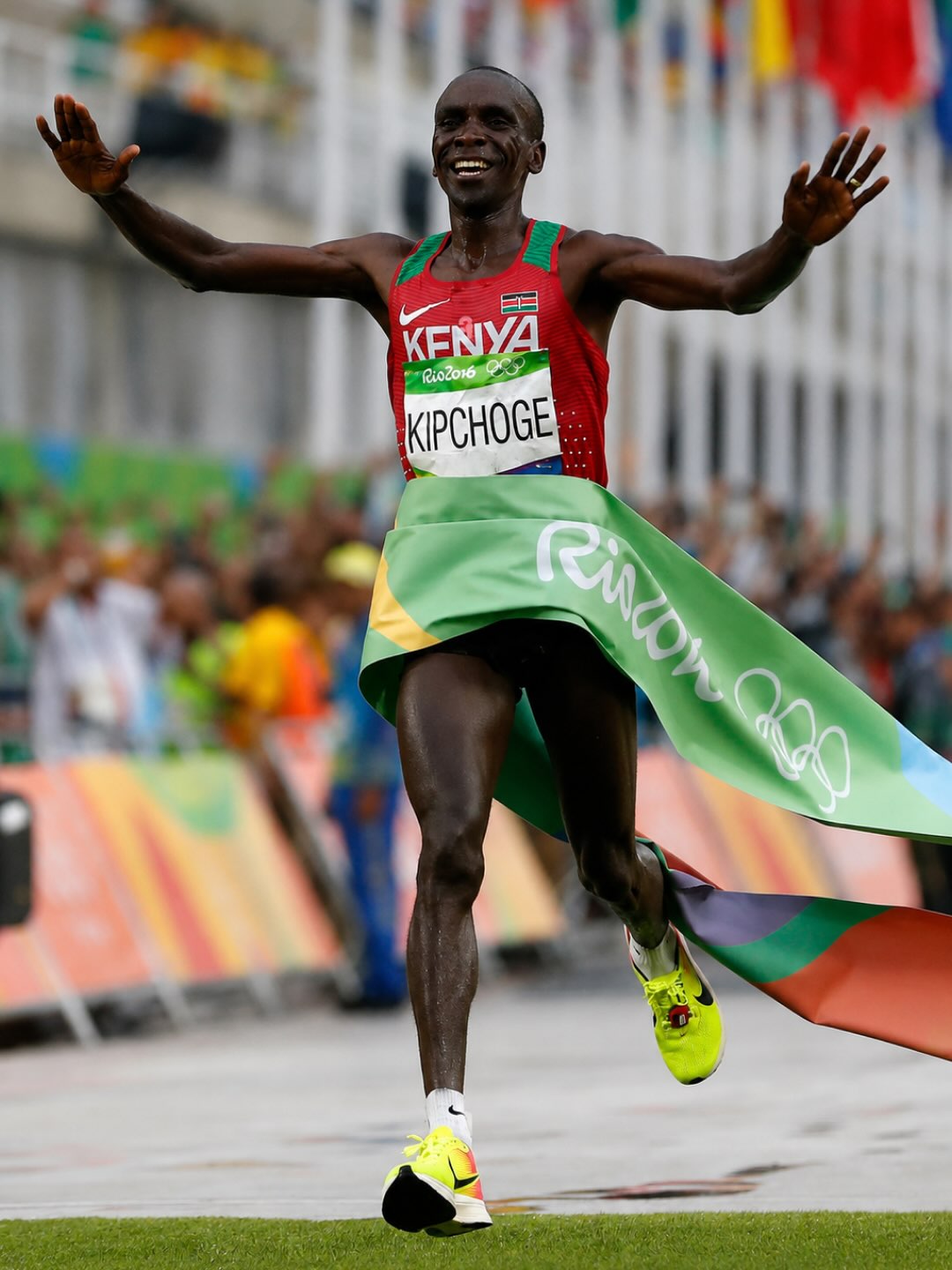
The early morning light spills over the Ngong Hills, casting a golden hue on the bustling streets of Nairobi where vendors shout the day’s first chai and runners in faded club jerseys stretch along the leafy avenues of Uhuru Park. In this city, where the rhythm of life is measured in strides rather than seconds, the announcement that Nairobi will host the 2029 World Athletics Championships reverberated like a starting gun across the continent, signaling not just a sporting milestone but a cultural awakening. As reported by Leadership Newspaper, the decision emerged from the 242nd World Athletics Council Meeting in Budapest on September 15, 2026, where President Sebastian Coe described the choice as both difficult and historic, noting that Nairobi’s bid stood out among four formidable contenders for its emotional resonance and concrete promise. The victory over London, Munich, and Rome was not merely a triumph of logistics; it was a acknowledgment of Kenya’s deep‑rooted pedigree in distance running, a lineage that stretches from the legendary Kipchoge Keino and Henry Rono to modern icons such as Eliud Kipchoge, Faith Kipyegon, and Ferdinand Omanyala. According to Vanguard News, the win marks the first time an African city will stage the premier global athletics event, a moment that completes a continental circuit set to see the championships travel from Beijing in 2027 to Nairobi in 2029 and then to Munich in 2031.
The narrative is already being woven into the national conversation, with cabinet secretary Salim Mvurya declaring that the global athletics family has affirmed Kenya’s place at the heart of World Athletics, a sentiment echoed by ordinary citizens who now see their daily runs as part of a larger, world‑stage story. This opening paragraph sets the scene, blending the visceral energy of Nairobi’s streets with the gravity of the announcement, and prepares the reader for a deeper exploration of the economic, social, political, cultural, and technological dimensions that will shape the 2029 championships.
The Economic Backdrop: Dreams, Dollars, and Development
Economic analysts consulted by Complete Sports estimate that hosting the World Athletics Championships could inject upwards of $200 million into Kenya’s economy, spurring growth in hospitality, construction, and retail sectors that have long sought a catalyst for sustained expansion. The influx of athletes, officials, media personnel, and spectators is projected to generate over 15,000 temporary jobs, ranging from stadium operations to transportation logistics, while local entrepreneurs anticipate a surge in demand for everything from traditional crafts to high‑end tech services. As highlighted by Channels TV, the renovation of Kasarani Stadium—already underway to prepare for the Africa Cup of Nations in 2027—will be accelerated to meet World Athletics’ stringent standards, involving upgrades to seating capacity, lighting systems, and accessibility features that will leave a lasting civic asset long after the final medal is awarded. According to the Peoples Gazette, the Kenyan government has earmarked a public‑private partnership fund of approximately 15 billion Kenyan shillings to cover infrastructure improvements, security provisions, and legacy programs aimed at nurturing youth talent across the country’s 47 counties. This financial commitment is mirrored by private sector interest, with sponsors ranging from telecommunications giants to agricultural cooperatives lining up to associate their brands with an event that promises global visibility.
Moreover, the bid team emphasized the potential for tourism uplift, projecting a 12% increase in international visitor arrivals during the championship window, a figure that could help offset seasonal fluctuations in the country’s key export markets. By weaving together public investment, private enthusiasm, and the multiplier effect of mega‑event spending, Nairobi’s economic strategy for 2029 aims not only to deliver a flawless competition but also to lay the groundwork for a diversified, resilient economy that can harness the prestige of athletics for years to come.
The Cultural and Social Fabric: Roots, Rituals, and Rising Stars
In the social tapestry of Nairobi, athletics is less a sport and more a communal rite, a truth underscored by Sebastian Coe’s observation that “athletics is woven into the fabric of Kenya,” a line echoed in multiple outlets including AfricaNews.com and NotJustOk. The city’s neighborhoods, from the bustling markets of Maasai to the quiet suburbs of Karen, host informal running clubs where elders share tales of past champions while youth lace up their shoes with dreams of emulating Faith Kipyegon’s double‑Olympic marathon triumph. This cultural resonance was a decisive factor in the bidding process, as the Nairobi team highlighted the extraordinary level of fan engagement demonstrated during previous events such as the 2017 World Under‑18 Championships and the 2021 World Under‑20 Championships, both held in the capital. According to ICIR Nigeria, the legacy vision includes grassroots programs that will distribute running shoes and coaching manuals to over 500 schools, aiming to democratize access to training facilities that have historically been concentrated in urban centers. The championships are also expected to amplify Kenya’s rich oral traditions, with plans to incorporate storytelling sessions, traditional dance performances, and local cuisine festivals into the official fan zones, transforming the stadium precinct into a living museum of East African heritage.
Moreover, the event presents an opportunity to challenge gender norms, as heightened visibility for female athletes like Beatrice Chebet—who recently clinched gold in the 5,000 m at Tokyo—could inspire a new generation of girls to pursue athletics without fear of societal pushback. By anchoring the global spectacle in Kenya’s lived experiences, the 2029 championships promise to reinforce a sense of national pride that transcends ethnicity, class, and geography, turning every cheer into a affirmation of shared identity.
The Political and Technological Arena: Governance, Infrastructure, and Innovation
Behind the scenes, the successful bid was the product of meticulous political coordination and technological foresight, a reality illuminated by Leadership Newspaper’s detailed account of the negotiations that unfolded in Budapest. Kenyan officials, working closely with the World Athletics delegation, presented a comprehensive risk‑management plan that addressed security concerns, transportation logistics, and environmental sustainability—elements that proved decisive when stacked against the bids from London, Munich, and Rome. As reported by Vanguard News, the government has committed to deploying a centralized command center equipped with real‑time data analytics, facial recognition technology, and AI‑driven crowd‑management tools, all designed to ensure athlete safety and spectator comfort while adhering to international best practices. The technological dimension extends to the competition itself, with plans to introduce advanced timing systems, wearable biometric sensors for elite athletes, and augmented‑reality experiences for remote fans, positioning Nairobi as a testbed for the next generation of athletics broadcasting. Politically, the championship has become a unifying project across party lines, with opposition leaders praising the bid’s transparency and calling for continued oversight to prevent cost overruns—a sentiment echoed in editorial pieces from Complete Sports that urged the establishment of an independent audit committee to monitor expenditures. Furthermore, the event is slated to catalyze improvements in Nairobi’s urban mobility, including the expansion of bus rapid transit lanes and the rehabilitation of key arterial roads that will benefit residents long after the athletes depart.
By marrying robust governance with cutting‑edge technology, Nairobi aims to deliver a championship that is not only memorable for its athletic feats but also exemplary in its operational innovation, setting a benchmark for future African hosts.
Future Implications: A Legacy in Motion or a Fleeting Moment?
Looking ahead, the true measure of Nairobi’s 2029 World Athletics Championships will be found in the lasting impact it leaves on Kenya’s sporting ecosystem, its urban landscape, and its position within the global athletics hierarchy. Experts cited by the ICIR Nigeria project that the championships could spur a 25% increase in youth participation in track and field over the next decade, provided that the legacy funds are efficiently channeled into coaching education, facility maintenance, and talent‑identification programs. Urban planners anticipate that the upgraded Kasarani Stadium will become a multi‑purpose hub, hosting everything from national football matches to cultural concerts, thereby maximizing the return on the substantial public investment. On the diplomatic front, the successful hosting is expected to enhance Kenya’s soft power, potentially attracting future bids for other mega‑events such as the FIFA Women’s World Cup or the African Games, as signalled by the optimistic tone in Leadership Newspaper’s post‑announcement analysis. However, challenges remain: ensuring transparency in fund disbursement, mitigating the risk of white‑elephant infrastructure, and maintaining the momentum of grassroots engagement will require sustained vigilance from both government and civil society. As Sebastian Coe warned during the Budapest press conference, the decision to bring the championships to Africa was predicated on having “the right host, the right bid, and the right circumstances,” a reminder that the legacy will only endure if those conditions are nurtured long after the final lap is run.
In sum, Nairobi’s 2029 World Athletics Championships stand poised to become more than a fleeting spectacle; they offer a blueprint for how sport can catalyze economic revitalization, cultural affirmation, and political unity—if the nation seizes the moment with foresight, integrity, and an unyielding belief that, as the Kenyan proverb goes, the journey of a thousand miles begins with a single stride.
📰 Sources Cited
- BellaNaija: Nairobi 2029: World Athletics Championships Are Coming to Africa for the First Time
- Leadership Newspaper: Nairobi To Host 2029 World Athletics Championships
- Complete Sports: Kenya Beat United Kingdom To Host 2029 World Athletics Championships
- Peoples Gazette: Nairobi become first African city to host World Athletics Championships in 2029
- Channels TV: Kenya Beats United Kingdom To Host 2029 World Athletics Championships
- Vanguard News: Kenya to host 2029 World Athletics Championships as Africa’s first
- AfricaNews.com: Nairobi to host the 2029 World Athletics Championships
- NotJustOk: Kenya wins bid to host the World
- ICIR Nigeria: Nairobi to host 2029 World Athletics Championships, first African city to stage event
0 Comments
Sign in to commentNo comments yet. Be the first to share your thoughts!