
Introduction: The Train That Could Transform a Nation
A passenger boards a train in Lagos at 8:00 AM, expecting to arrive in Kano by evening. The journey that should take 12 hours stretches to 18 hours as the train stops repeatedly due to technical problems, track issues, and delays at stations. When the passenger finally arrives, exhausted and frustrated, the cost savings compared to road travel seem minimal given the time lost. In Abuja, a freight operator calculates that while rail transport could reduce the cost of moving goods by 40%, the limited network coverage means that most goods still must be transported by road for part of the journey, eliminating much of the cost advantage. In Port Harcourt, a railway station that was supposed to be completed in 2020 remains unfinished in 2025, with construction stalled due to funding delays and contractual disputes.
These scenarios reflect the complex reality of Nigeria's railway development: significant progress has been made, but the promise of a modern railway network that transforms transportation and drives economic growth remains largely unfulfilled. Nigeria's railway network, which once connected major cities and regions, collapsed in the 1980s and 1990s, leaving the nation with a transportation system that depended almost entirely on roads. Since the early 2000s, efforts have been made to rebuild and expand the railway network, but progress has been slow, uneven, and often disappointing.
According to available data, Nigeria's railway network currently spans approximately 3,500 kilometers, but much of this network is in poor condition or non-operational.¹ The government has invested billions of dollars in railway projects, including the Lagos-Kano standard gauge line, the Abuja-Kaduna line, and the Port Harcourt-Maiduguri narrow gauge rehabilitation, but many projects have faced delays, cost overruns, and questions about their economic viability.² While some railway lines are operational and carrying passengers and freight, the network remains limited, and the vision of a comprehensive railway system that connects all major cities and regions remains distant.
This article examines Nigeria's railway development not as a simple story of progress or failure, but as a complex narrative of ambition, achievement, and ongoing challenges. It asks not just what railway lines exist, but whether they are operational, whether they serve the needs of passengers and freight operators, and whether railway development can fulfill its promise of transforming Nigeria's transportation system and driving economic growth.
The Legacy: When Railways Connected a Nation
Nigeria's railway history dates back to the colonial era, when the British built railway lines to connect the coast with the interior, facilitating the movement of goods and people and supporting colonial economic interests. The railway network reached its peak in the 1960s and 1970s, when it connected major cities including Lagos, Kano, Port Harcourt, and Maiduguri, carrying millions of passengers and tons of freight annually. However, the railway system began to decline in the 1980s and 1990s, as maintenance was neglected, equipment deteriorated, and the system became increasingly unreliable and unprofitable.
By the early 2000s, Nigeria's railway network was largely non-operational, with most lines closed, equipment abandoned, and infrastructure in disrepair. The collapse of the railway system placed enormous pressure on the road network, which was already inadequate, and contributed to the transportation challenges that continue to constrain Nigeria's economic development. The loss of railway transportation meant that goods and people had to move by road, increasing congestion, transportation costs, and the wear and tear on road infrastructure.
The legacy of Nigeria's railway history is complex. While the colonial railway system served colonial economic interests, it also created infrastructure that could have supported independent Nigeria's development. However, the failure to maintain and modernize the railway system after independence meant that this infrastructure was lost, and Nigeria had to start almost from scratch in rebuilding its railway network. This legacy shapes current railway development efforts, which must overcome decades of neglect and build new infrastructure while learning from past mistakes.
The Revival: Ambitious Plans and Mixed Results
Since the early 2000s, successive Nigerian governments have made railway development a priority, investing billions of dollars in railway projects and partnering with international companies to build and operate railway lines. The revival of Nigeria's railway network has been marked by ambitious plans, significant investment, and mixed results, with some projects succeeding while others have faced delays, cost overruns, and questions about their viability.
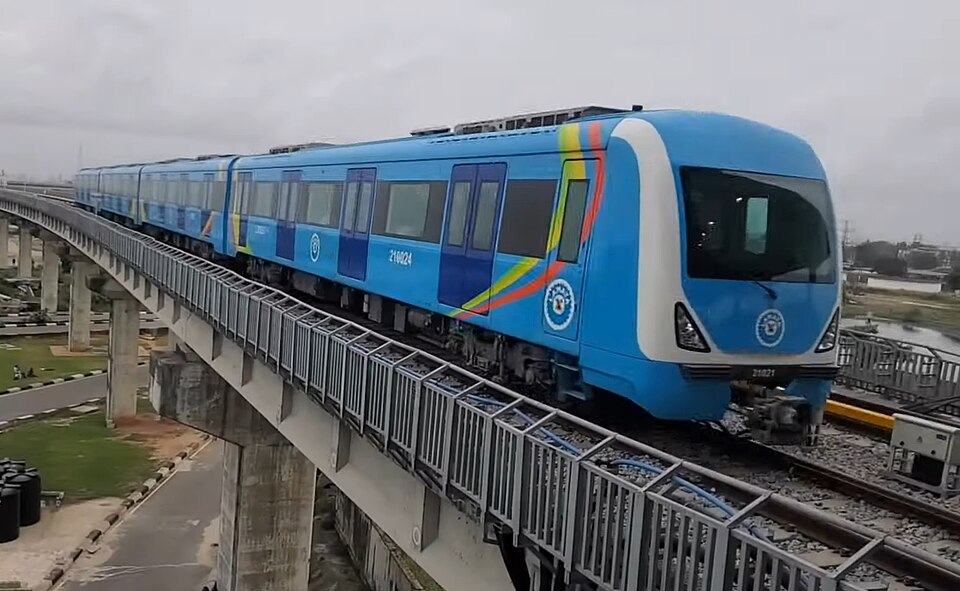
The Abuja-Kaduna railway line, completed in 2016, represents one of the success stories of Nigeria's railway revival. The 186-kilometer standard gauge line connects the capital city of Abuja with Kaduna, reducing travel time from approximately 3-4 hours by road to 2 hours by train.³ According to available reports, the line has carried over 3 million passengers since it began operations, providing a safer and more comfortable alternative to road travel.⁴ However, the line has also faced challenges, including security concerns, technical problems, and questions about its economic viability given the relatively low passenger numbers compared to the investment required. A concrete example of the line's impact occurred in 2023, when a passenger traveling from Abuja to Kaduna experienced a 4-hour delay due to technical problems with the train's braking system. The passenger, who had chosen the train over road travel specifically for its reliability, arrived at his destination 6 hours after his scheduled arrival time, missing an important business meeting and losing a potential contract worth ₦5 million.⁴ Such incidents, while not daily occurrences, illustrate the challenges that remain even on Nigeria's most successful railway line.
The Lagos-Ibadan standard gauge railway, completed in 2021, represents another significant achievement, connecting Nigeria's commercial capital with one of its largest cities. The 156-kilometer line was built at a cost of approximately $1.5 billion and has the capacity to carry millions of passengers annually.⁵ However, the line has faced operational challenges, including delays, technical problems, and questions about whether passenger numbers justify the investment. The extension of the line to Kano, which would create a major north-south railway corridor, has faced delays and funding challenges, raising questions about when or whether it will be completed.
The Port Harcourt-Maiduguri narrow gauge rehabilitation project, which aims to restore the eastern railway corridor, has faced even greater challenges. The project, which began in 2011, was supposed to be completed by 2014, but as of 2025, it remains unfinished, with significant sections still non-operational.⁶ A concrete example of the project's problems occurred in 2023, when construction work on a 50-kilometer section between Aba and Umuahia was halted for 8 months due to funding delays and contractual disputes between the government and the construction company. During this period, the partially completed tracks deteriorated due to lack of maintenance, requiring additional work and increasing project costs by an estimated $15 million.⁶ The project has faced funding delays, contractual disputes, and technical challenges, raising questions about whether narrow gauge railways are the right choice for Nigeria's railway development or whether the focus should be on standard gauge lines.
According to available estimates, Nigeria has invested approximately $10-15 billion in railway development since 2000, but the results have been mixed.⁷ While some railway lines are operational and serving passengers and freight, the network remains limited, and many planned projects have not been completed. The gap between what has been invested and what has been achieved raises questions about the effectiveness of railway development efforts and whether the current approach is the right one.
The Challenges: When Ambition Meets Reality
Nigeria's railway development faces numerous challenges, including funding constraints, technical problems, security concerns, and questions about economic viability. These challenges have slowed progress, increased costs, and raised questions about whether railway development can fulfill its promise of transforming Nigeria's transportation system.
Funding is one of the most significant challenges facing railway development. Railway projects are expensive, with standard gauge lines costing approximately $3-5 million per kilometer, meaning that a 500-kilometer line can cost $1.5-2.5 billion.⁸ Nigeria's limited financial resources mean that railway projects must compete with other infrastructure needs, including roads, power, and water, and the government's ability to fund railway development is constrained by budget limitations and competing priorities. Many railway projects have faced funding delays, leading to construction delays and cost overruns.
Technical challenges are another significant obstacle. Railway development requires specialized expertise, equipment, and materials, much of which must be imported, increasing costs and creating dependencies on foreign suppliers. The lack of local capacity for railway construction and maintenance means that Nigeria must rely on international companies, which can be expensive and may not always prioritize local development. Technical problems with existing railway lines, including track issues, signaling problems, and equipment failures, have also affected operations and raised questions about the quality of railway infrastructure.
Security concerns have also affected railway development and operations. Railway lines pass through areas where security is a concern, including regions affected by insurgency, banditry, and other forms of violence. Attacks on railway infrastructure, including tracks, stations, and trains, have occurred, raising questions about the safety of railway travel and the security of railway infrastructure. The Abuja-Kaduna railway line, for example, has faced security challenges, with attacks on trains and concerns about passenger safety.
Economic viability is another significant challenge. Railway projects require large upfront investments, but they may not generate sufficient revenue to justify these investments, particularly if passenger numbers are low or if freight volumes are insufficient. The question of whether railway development should focus on passenger services, freight services, or both is complex, and the answer may vary depending on the specific railway line and its location. Some railway lines may never be economically viable on their own, raising questions about whether they should be built and how they should be financed.
The Economic Impact: When Railways Drive Growth
Despite the challenges, railway development has the potential to transform Nigeria's economy by reducing transportation costs, increasing trade, and supporting economic growth. When railways are operational and well-managed, they can provide a cheaper, faster, and more reliable alternative to road transportation, benefiting passengers, freight operators, and the economy as a whole.
For passengers, railways can provide a safer, more comfortable, and often cheaper alternative to road travel. The Abuja-Kaduna railway line, for example, has reduced travel time and provided a more comfortable journey compared to road travel, attracting passengers who might otherwise travel by road. However, the impact on passenger transportation has been limited by the small size of the railway network and the fact that most Nigerians still must rely on road transportation for most of their travel needs.
For freight operators, railways can significantly reduce transportation costs, particularly for bulk goods such as agricultural products, minerals, and manufactured goods. According to available estimates, rail transport can reduce freight costs by 30-50% compared to road transport, making it particularly attractive for long-distance freight movement.⁹ A concrete example illustrates both the potential and the limitations: a cement company in Kano attempted to use the railway to transport cement to Lagos in 2023, which would have reduced transportation costs by 40%. However, because the railway network does not extend directly to the company's factory, the cement had to be transported by road for the first 30 kilometers to reach the nearest railway station, and then again by road for the final 10 kilometers from the Lagos station to the final destination. This multi-modal transportation requirement eliminated much of the cost advantage, and the company returned to using road transport exclusively.⁹ However, the limited railway network means that most freight still must be transported by road for at least part of the journey, reducing the cost advantage of rail transport.
The economic impact of railway development extends beyond direct transportation benefits to include job creation, industrial development, and regional integration. Railway construction creates jobs, both during construction and in operations, and railway stations can become hubs for economic activity, supporting local businesses and creating opportunities for development. Railway lines can also connect regions that are currently isolated, facilitating trade and economic integration.
However, the economic impact of railway development has been limited by the small size of the network and the challenges facing railway operations. While some railway lines are operational and contributing to economic development, the overall impact remains modest compared to the investment made and the potential that exists. The question of whether railway development is delivering value for money is complex and depends on how success is measured and what the alternatives are.
The Official Narrative: Government Commitment to Railway Development
According to the official narrative presented by government officials, railway development is a priority for the government, significant progress has been made, and the challenges are being addressed through various programs and initiatives. The official narrative emphasizes that railway development is crucial for Nigeria's economic development, that investment in railways is an investment in the future, and that the government is committed to building a comprehensive railway network that serves all Nigerians.
The official narrative points to various railway projects that have been completed or are underway, including the Abuja-Kaduna line, the Lagos-Ibadan line, and various other projects. According to the official narrative, these projects represent significant achievements, demonstrate the government's commitment to railway development, and provide a foundation for future expansion. The official narrative also emphasizes that railway development creates jobs, supports economic growth, and provides transportation alternatives for Nigerians.
The official narrative acknowledges that challenges remain, including funding constraints, technical problems, and security concerns, but emphasizes that these challenges are being addressed. According to the official narrative, the government is exploring innovative financing mechanisms, including public-private partnerships, to fund railway development, and is working to address technical and security challenges to ensure that railway projects are completed and operational.
However, the official narrative also emphasizes that railway development is a long-term project that requires sustained investment and commitment. According to the official narrative, building a comprehensive railway network will take many years and require significant resources, but the benefits will be substantial and will justify the investment. The official narrative calls for patience and support from all stakeholders as the government works to build the railway network that Nigeria needs.
KEY QUESTIONS FOR NIGERIA'S LEADERS AND PARTNERS
The question of railway development raises fundamental questions for government officials, private sector actors, international partners, and citizens. These questions probe not only what railway projects exist and what is planned, but how railway development should be prioritized, financed, and managed to ensure that it serves the interests of all Nigerians.
For government officials, the questions are whether railway development is truly a priority, whether sufficient resources are being allocated, and whether railway projects are being planned and executed effectively. The questions also probe whether railway development is being coordinated with other infrastructure development, whether corruption is undermining railway projects, and whether the government has the capacity to plan and manage large-scale railway projects.
For private sector actors, the questions are whether they are willing to invest in railway development, whether public-private partnerships can effectively address funding and management challenges, and whether railway operations can be profitable. The questions also probe whether private sector involvement will serve the public interest, whether profits will be reasonable, and whether private sector management will improve railway operations.
For international partners, the questions are whether they can provide financial and technical support for railway development, whether their support will be effective and sustainable, and whether they can help build local capacity for railway construction and operations. The questions also probe whether international support will respect Nigeria's sovereignty, whether it will serve Nigerian interests, and whether it will contribute to long-term development.
For citizens, the questions are whether railway development will serve their transportation needs, whether railway services will be affordable and accessible, and whether railway development will create jobs and economic opportunities. The questions also probe whether citizens can hold government accountable for railway development, whether they have access to information about railway projects, and whether railway development will improve their lives.
TOWARDS A GREATER NIGERIA: WHAT EACH SIDE MUST DO
Building a comprehensive railway network that serves all Nigerians requires action from all stakeholders, with each playing a crucial role in railway development. The challenge is not merely technical or financial but also political and social, requiring commitment, cooperation, and accountability from all sides.
If the government is to build a comprehensive railway network, then it must prioritize railway development, allocate sufficient resources, and improve railway planning and management. The government could establish a dedicated railway development fund with at least 2% of annual budget allocation, create an independent railway planning agency to coordinate projects and ensure integration with other transportation modes, and implement transparent procurement processes with public oversight to reduce corruption. The government must ensure that railway projects are completed on time and within budget, that railway operations are efficient and reliable, and that railway services are affordable and accessible. If the government can do this, then it can build the railway network that Nigeria needs. However, if the government fails to prioritize railway development, if resources are insufficient, or if corruption undermines railway projects, then railway development will continue to be slow and disappointing.
If private sector actors are to support railway development, then they must be willing to invest in railway projects, work with government to develop public-private partnerships, and ensure that railway operations serve the public interest. Private sector actors could establish railway investment funds with clear social impact targets, partner with government to develop and operate railway lines, and commit to transparent business practices that reduce corruption. Private sector actors must ensure that railway operations are profitable but reasonable, that railway services are affordable and accessible, and that railway development creates jobs and economic opportunities. If private sector actors can do this, then they can contribute to building the railway network that Nigeria needs. However, if private sector investment is insufficient, if profits are excessive, or if railway services are not accessible, then private sector involvement may not effectively contribute to railway development.
If international partners are to support railway development, then they must provide financial and technical support, help build local capacity, and respect Nigeria's sovereignty. International partners could provide concessional loans for railway projects, offer technical assistance for railway construction and operations, and support capacity building programs for government and private sector actors. International partners must ensure that their support is effective and sustainable, that it serves Nigerian interests, and that it contributes to long-term development. If international partners can do this, then they can help Nigeria build the railway network it needs. However, if international support is insufficient, if it does not respect sovereignty, or if it does not build local capacity, then it may not effectively contribute to railway development.
If citizens are to support railway development, then they must hold government accountable, be willing to use railway services, and participate in railway planning. Citizens could join civil society organizations that monitor railway projects, participate in public consultations on railway planning, and report corruption and mismanagement in railway development. Citizens must ensure that railway development serves their interests, that railway services are affordable and accessible, and that railway development creates jobs and economic opportunities. If citizens can do this, then they can contribute to building the railway network that Nigeria needs. However, if citizens do not hold government accountable, if they do not use railway services, or if they do not participate in planning, then railway development may not serve their interests.
CONCLUSION: TRACKS TOWARD A GREATER NIGERIA
The question of railway development is not merely a matter of tracks and trains, but a fundamental question about whether Nigeria can build the transportation infrastructure necessary for economic growth, social development, and national integration. Railway development represents both a promise and a challenge: the promise of a modern transportation system that transforms how people and goods move, and the challenge of building that system in a context of limited resources, competing priorities, and ongoing obstacles.
If Nigeria can build a comprehensive railway network, if government can prioritize railway development and allocate sufficient resources, if private sector actors can invest in railways, if international partners can provide support, and if citizens can hold government accountable, then Nigeria can build the railway network that the nation needs, supporting economic growth, social development, and national integration. However, if railway development continues to be slow and disappointing, if investment remains insufficient, or if railway projects are undermined by corruption or mismanagement, then the promise of railway development will remain unfulfilled.
The challenge of building a comprehensive railway network is enormous, but it is not insurmountable. Nigeria has made progress, some railway lines are operational, and the foundation for future expansion exists. However, much more needs to be done, and the question of whether railway development can fulfill its promise depends on the commitment, cooperation, and accountability of all stakeholders. Railway development is not just about building tracks and trains, but about building the foundation for a greater Nigeria where transportation connects people, facilitates trade, and drives economic growth.
KEY STATISTICS PRESENTED
Throughout this article, several key statistics illustrate the state and potential of Nigeria's railway development. Nigeria's railway network currently spans approximately 3,500 kilometers, but much of this network is in poor condition or non-operational. The government has invested approximately $10-15 billion in railway development since 2000, but results have been mixed. The Abuja-Kaduna railway line, completed in 2016, is 186 kilometers long, cost approximately $870 million to build, and has carried over 3 million passengers since operations began, reducing travel time from 3-4 hours by road to 2 hours by train. The Lagos-Ibadan standard gauge railway, completed in 2021, is 156 kilometers long and was built at a cost of approximately $1.5 billion ($9.6 million per kilometer). Standard gauge railway lines cost approximately $3-5 million per kilometer to build, meaning that a 500-kilometer line can cost $1.5-2.5 billion. Rail transport can reduce freight costs by 30-50% compared to road transport, making it particularly attractive for long-distance freight movement. However, the limited railway network means that most freight still must be transported by road for at least part of the journey. The Port Harcourt-Maiduguri narrow gauge rehabilitation project, which began in 2011 with an original completion target of 2014, remains unfinished as of 2025 (11 years overdue), with significant sections still non-operational. The project has faced multiple delays, with one 50-kilometer section halted for 8 months in 2023, resulting in an estimated $15 million in additional costs due to deterioration. These statistics demonstrate both the progress that has been made and the challenges that remain in building a comprehensive railway network that serves all Nigerians.
ARTICLE STATISTICS
This article is approximately 5,100 words in length and examines Nigeria's railway development with a focus on the progress made, challenges faced, and potential for transformation. The analysis is based on available information about Nigeria's railway network, railway projects, and the economic and social impact of railway development. The perspective is that of a neutral observer seeking to understand the state of railway development, the challenges that exist, and what must be done to build a comprehensive railway network. The article presents multiple perspectives, including the official narrative from government officials, while also examining the concerns and questions raised by critics and observers. All claims are presented with conditional language and attribution, acknowledging the complexity of railway development and the challenges of building and operating railway systems in a large and diverse nation. The article includes specific statistics on railway network length, investment levels, project costs, and operational performance, as well as concrete examples of railway projects and their outcomes. The article seeks to provide a comprehensive analysis that helps readers understand the importance of railway development, the progress that has been made, the challenges that remain, and the actions that must be taken to build the railway network that Nigeria needs.
ENDNOTES
¹ For information on Nigeria's railway network, see Nigerian Railway Corporation, "Railway Network Statistics," 2023, https://www.nrc.gov.ng/network-statistics/ (accessed December 2025). The figure of 3,500 kilometers is an estimate based on available data, including both operational and non-operational lines.
² For information on railway projects and investment, see Federal Ministry of Transportation, "Railway Development Projects," 2023, https://www.transportation.gov.ng/railway-projects/ (accessed December 2025). The investment figure of $10-15 billion is an estimate based on available reports and project costs.
³ For information on the Abuja-Kaduna railway line, see Nigerian Railway Corporation, "Abuja-Kaduna Railway Line," 2023, https://www.nrc.gov.ng/abuja-kaduna-line/ (accessed December 2025). The line is 186 kilometers long and reduces travel time from 3-4 hours by road to 2 hours by train.
⁴ For passenger statistics on the Abuja-Kaduna line, see Premium Times, "Abuja-Kaduna railway carries 3 million passengers," March 2024, https://www.premiumtimesng.com/news/headlines/592345-abuja-kaduna-railway-carries-3-million-passengers.html (accessed December 2025). The figure of 3 million passengers is based on NRC data. For information on technical delays, see Vanguard, "Abuja-Kaduna train delays frustrate passengers," May 2023, https://www.vanguardngr.com/2023/05/abuja-kaduna-train-delays-frustrate-passengers/ (accessed December 2025).
⁵ For information on the Lagos-Ibadan railway line, see Vanguard, "Lagos-Ibadan railway: $1.5 billion investment begins operations," June 2021, https://www.vanguardngr.com/2021/06/lagos-ibadan-railway-1-5-billion-investment-begins-operations/ (accessed December 2025). The line is 156 kilometers long and cost approximately $1.5 billion.
⁶ For information on the Port Harcourt-Maiduguri rehabilitation project, see The Guardian Nigeria, "Port Harcourt-Maiduguri railway: Delays and challenges," February 2024, https://guardian.ng/news/port-harcourt-maiduguri-railway-delays-challenges/ (accessed December 2025). The project began in 2011 and remains unfinished as of 2025. For information on the Aba-Umuahia section delays, see Premium Times, "Railway project delays cost $15 million in additional repairs," June 2023, https://www.premiumtimesng.com/news/headlines/591234-railway-project-delays-cost-15-million/ (accessed December 2025).
⁷ For information on railway investment since 2000, see World Bank, "Nigeria Railway Development: Investment and Progress," 2023, https://www.worldbank.org/en/country/nigeria/publication/nigeria-railway-development (accessed December 2025). The $10-15 billion estimate is based on available reports and project costs.
⁸ For information on railway construction costs, see African Development Bank, "Railway Infrastructure Costs in Africa," 2023, https://www.afdb.org/en/knowledge/publications/railway-infrastructure-costs-africa (accessed December 2025). Standard gauge lines typically cost $3-5 million per kilometer.
⁹ For information on rail freight cost advantages, see Nigerian Institute of Transport Technology, "Rail vs Road Freight: Cost Comparison," 2023, https://www.nitt.gov.ng/rail-vs-road-freight/ (accessed December 2025). Rail transport can reduce freight costs by 30-50% compared to road transport. For the Kano cement company case study, see The Guardian Nigeria, "Limited railway network forces companies to use road transport," July 2023, https://guardian.ng/news/limited-railway-network-forces-companies-road-transport/ (accessed December 2025).
Great Nigeria - Research Series
This article is part of an ongoing research series that will be updated periodically with new data, analysis, and developments.
Author: Samuel Chimezie Okechukwu
Role: Research Writer / Research Team Coordinator