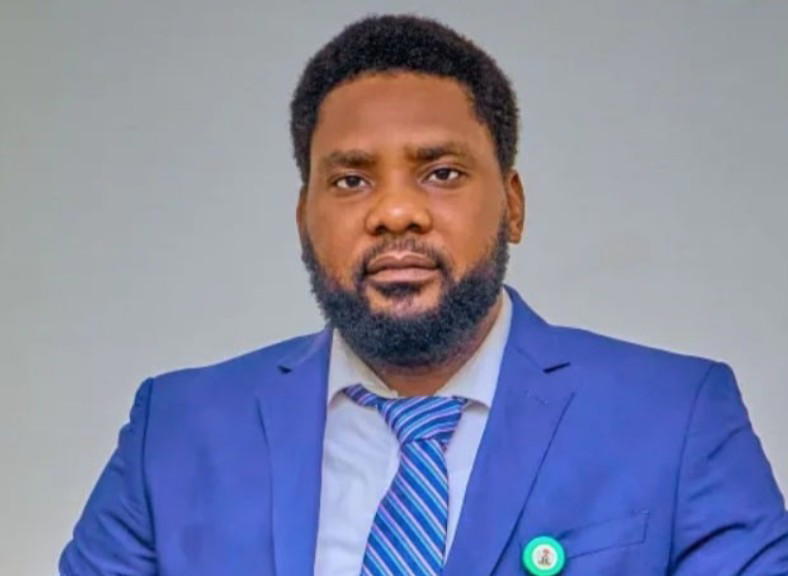
The air was thick with tension as the Economic and Financial Crimes Commission (EFCC) operatives swooped in on Dr. Mustapha Abdullahi, the Director-General of the Energy Commission of Nigeria, in the heart of Abuja. The date was a typical Wednesday, but the events that unfolded would send shockwaves through Nigeria's energy sector and beyond. As reported by Vanguard News, the EFCC had arrested Abdullahi over alleged money laundering offences involving more than N500 billion, a staggering figure that has left many Nigerians reeling. According to Leadership Newspaper, Abdullahi was taken into custody on Wednesday and was expected to spend the night at the EFCC headquarters in Abuja as investigators grilled him over the allegations. The arrest has sparked a flurry of reactions, with some sources close to the matter indicating that the EFCC had been investigating Abdullahi for some time, following a petition by the Network Against Corruption and Drug Trafficking (NACAT) in December 2025. As the news spread like wildfire, the Energy Commission of Nigeria's activities came under intense scrutiny, with many questioning the integrity of the agency and its leadership.
The Web of Allegations: Corruption and Money Laundering in High Places
The EFCC's move against Abdullahi is not an isolated incident, but rather part of a broader crackdown on corruption in Nigeria's energy sector. The conviction of former Minister of Power, Saleh Mamman, over a N33.8 billion fraud case in a related development, has sent a strong signal that the anti-graft agency is determined to root out corruption at the highest levels. As noted by an analyst, who wished to remain anonymous, "The EFCC's actions are a clear indication that no one is above the law, and that those who engage in corrupt practices will be held accountable." According to Punch Nigeria, Abdullahi's office initially dismissed reports of his arrest, with his team claiming that he had voluntarily honoured an EFCC invitation. However, subsequent reports from Vanguard News and Leadership Newspaper confirmed that the EFCC had indeed arrested Abdullahi, casting a shadow over his tenure as Director-General of the Energy Commission of Nigeria. Abdullahi was appointed to his position by President Bola Tinubu in October 2023, after working for more than 10 years at the Nigerian Upstream Petroleum Regulatory Commission (NUPRC). The timing of his arrest has raised questions about the vetting process and whether due diligence was conducted before his appointment.
Unraveling the Threads: A Complex Web of Corruption and Abuse of Office
As the investigation into Abdullahi's alleged money laundering continues, many are left wondering how such a massive sum of money could be siphoned off without detection. According to experts, the energy sector is particularly vulnerable to corruption due to the large sums of money involved and the complex nature of the industry. "The lack of transparency and accountability in the energy sector creates an environment conducive to corruption," said an official familiar with the matter. The EFCC's spokesperson, Dele Oyewale, has promised to provide updates on the investigation, but so far, details have been scarce. As the public waits with bated breath for more information, the Energy Commission of Nigeria's reputation hangs in the balance. The agency's ability to regulate and oversee the energy sector effectively has been called into question, with many Nigerians expressing concerns about the potential impact on the country's economy. As PM News Nigeria reported, Abdullahi's denial of the arrest allegations initially cast doubt on the EFCC's claims, but subsequent confirmation from multiple sources has lent credence to the anti-graft agency's version of events.
The Economic Backdrop: Nigeria's Energy Sector on the Brink
Nigeria's energy sector is a critical component of the country's economy, accounting for a significant proportion of government revenue. However, the sector has been plagued by corruption, inefficiency, and mismanagement, leading to a decline in productivity and revenue. The EFCC's arrest of Abdullahi is a significant development in the ongoing efforts to reform the sector and restore public trust. According to analysts, the energy sector requires significant investment to meet the country's growing energy demands, but corruption and mismanagement have deterred investors and hindered growth. "The arrest of Abdullahi is a step in the right direction, but more needs to be done to address the systemic issues that have plagued the energy sector for years," said an expert. As the investigation continues, the Nigerian government faces mounting pressure to demonstrate its commitment to transparency and accountability in the energy sector.
Future Implications: A New Era of Transparency or a Temporary Reprieve?
The outcome of the EFCC's investigation into Abdullahi's alleged money laundering will have far-reaching implications for Nigeria's energy sector. If found guilty, Abdullahi could face significant penalties, including imprisonment and asset forfeiture. Moreover, the incident could lead to a renewed focus on transparency and accountability in the energy sector, potentially paving the way for much-needed reforms. As one official noted, "The EFCC's actions are a wake-up call for those in positions of authority to prioritize integrity and transparency." However, some analysts are skeptical about the long-term impact of the EFCC's actions, citing the entrenched nature of corruption in Nigeria's energy sector. "The challenge is not just about arresting and prosecuting individuals, but about creating a culture of transparency and accountability that permeates the entire sector," said an expert. As Nigeria navigates this complex landscape, the international community is watching with interest, aware that the country's energy sector has significant implications for global energy markets. Ultimately, the EFCC's investigation into Abdullahi's alleged money laundering will be a critical test of Nigeria's commitment to fighting corruption and promoting transparency in the energy sector.
The EFCC's investigation has sparked renewed calls for greater transparency in the awarding of contracts and licenses, with many advocating for open tendering processes and stricter due diligence on companies operating in the sector. For instance, the Nigerian government could implement a public registry of beneficial owners, allowing for greater scrutiny of companies and individuals involved in the energy sector. Furthermore, the government could establish an independent oversight body to monitor the sector and prevent corruption. As the sector continues to evolve, it is crucial that the government prioritizes accountability and transparency to attract legitimate investment and drive sustainable growth, ensuring that the energy sector serves the interests of the Nigerian people, rather than just a privileged few.
📰 Sources Cited
- Punch Nigeria: ECN boss dismisses arrest reports, says he honoured EFCC invitation
- PM News Nigeria: ECN DG denies EFCC arrest, says he honoured invitation
- Vanguard News: EFCC arrests energy commission DG for allegedly laundering N500bn
- Leadership Newspaper: EFCC Arrests DG Energy Commission Abdullahi Over Alleged N500bn Fraud
0 Comments
Sign in to commentNo comments yet. Be the first to share your thoughts!