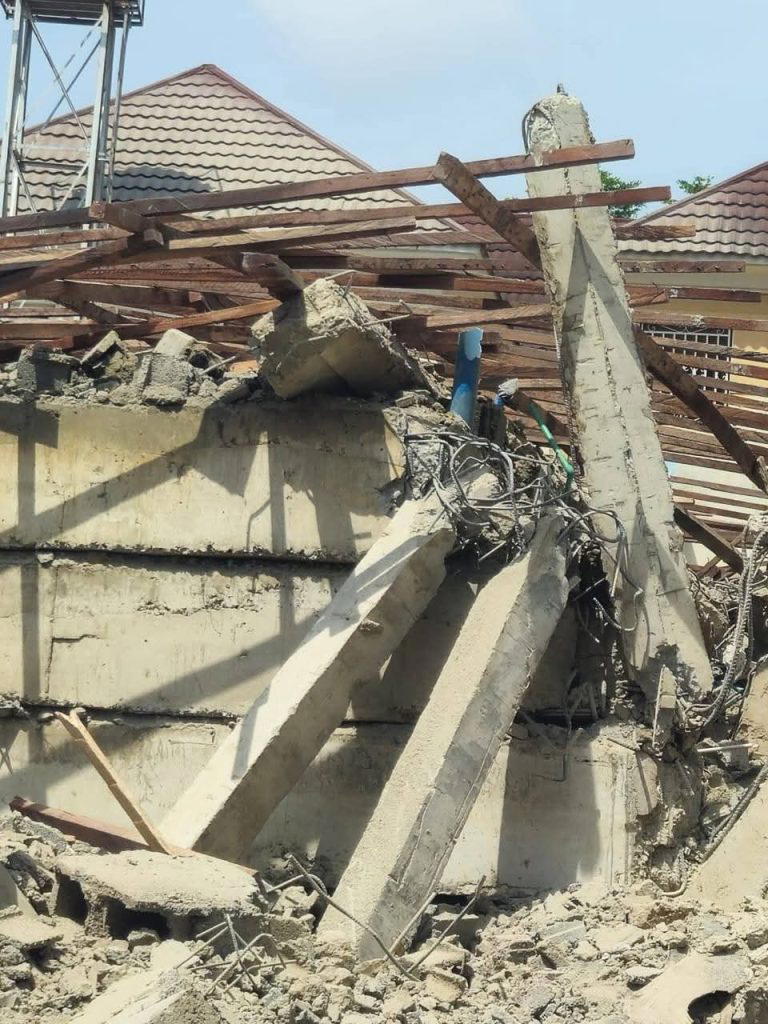
The sun was shining brightly over Abuja on that fateful Saturday morning when disaster struck without warning. A three-storey building under construction in the Durumi area, behind the bustling Gudu Market, suddenly gave way, sending shockwaves through the community. The collapse, which occurred at 8:30 a.m., was a catastrophic event that left at least five people dead and many more injured or trapped under the rubble. As reported by Vanguard News, the building, which was still under construction, was a tragic example of the infrastructure woes that plague Nigeria's capital city.
The scene at the site of the building collapse was one of utter devastation, with rescue teams scrambling to dig through the debris to find survivors. According to Punch Nigeria, rescue efforts were ongoing, with emergency responders working tirelessly to rescue those trapped under the rubble. The Federal Capital Territory Emergency Management Department (FEMD) had a search and rescue team on the ground, and they were able to rescue 16 persons, as reported by Peoples Gazette. The rescued individuals were taken to nearby hospitals for treatment, with 11 of them requiring further medical attention, as stated by Daily Trust.
The Human Cost: Lives Lost and Families Shattered
The human cost of the Abuja building collapse was staggering, with at least five people confirmed dead and many more injured. The victims were workers who were on site when the building gave way, and their families were left to pick up the pieces. As reported by Leadership Newspaper, the Minister of the Federal Capital Territory (FCT), Nyesom Wike, ordered free medical treatment for the victims, a gesture that was seen as a small consolation in the face of such tragedy. Dr. Adedolapo Fasawe, Mandate Secretary, FCT Health Services and Environment Secretariat, was instrumental in coordinating the medical response, ensuring that those injured received the care they needed.
The building collapse was a stark reminder of the risks that construction workers face on a daily basis in Nigeria. The country has a poor safety record in the construction industry, with many buildings being erected without proper oversight or adherence to safety protocols. As an official from the FCT Ministry of Health noted, "The collapse of this building is a tragedy that highlights the need for stricter enforcement of safety regulations in the construction industry." The incident also raised questions about the regulatory framework governing construction in Abuja, with many calling for greater accountability and oversight.
The Economic Backdrop: A City Built on Shaky Ground
Abuja, Nigeria's capital city, has been experiencing rapid growth and development in recent years, with many new construction projects springing up across the city. However, this growth has been accompanied by concerns about the quality of infrastructure and the safety of buildings. The Abuja building collapse was a stark reminder of the risks associated with rapid urbanization and the need for robust regulatory frameworks to ensure that buildings are constructed to high standards. As an analyst noted, "The collapse of this building is a symptom of a larger problem - the lack of effective regulation and oversight in the construction industry." The economic implications of such incidents are significant, with the cost of rebuilding and compensating victims running into millions of naira.
The building collapse also highlighted the need for greater investment in infrastructure in Abuja. The city's rapid growth has put a strain on existing infrastructure, with many buildings being erected on marginal land or without proper foundation. As reported by Sun News Online, the collapsed building was located in a densely populated area, with many homes and businesses nearby. The incident raised concerns about the safety of surrounding buildings and the need for inspections to ensure that they are structurally sound.
The Cultural and Social Dimension: A Community in Mourning
The Abuja building collapse was not just a tragedy for the families of the victims; it was also a shock to the wider community. The incident sent shockwaves through the Durumi area, with many residents expressing outrage and sadness at the loss of life. As reported by Daily Post Nigeria, the community came together to support the families of the victims, with many offering condolences and assistance. The incident highlighted the strong social bonds that exist in Nigerian communities, with neighbors and friends rallying around those affected.
The building collapse also raised questions about the social and cultural factors that contribute to such incidents. In Nigeria, there is often a culture of haste and expediency in construction, with builders prioritizing speed over safety. As an expert noted, "The pressure to complete construction projects quickly can lead to corners being cut and safety protocols being ignored." The incident highlighted the need for a cultural shift in the construction industry, with a greater emphasis on safety and quality.
Future Implications: A Blueprint for Change or a Band-Aid Solution?
The Abuja building collapse was a wake-up call for the Nigerian government and the construction industry as a whole. The incident highlighted the need for greater oversight and regulation of the construction industry, as well as a cultural shift towards prioritizing safety and quality. As Nyesom Wike, the FCT Minister, noted, "This incident is a tragedy that we must learn from. We will work to ensure that those responsible are held accountable and that we take steps to prevent such incidents in the future." The government has promised to investigate the cause of the collapse and take action to prevent similar incidents.
In the aftermath of the Abuja building collapse, it is clear that a comprehensive approach is needed to address the infrastructure woes that plague Nigeria's capital city. This will require a coordinated effort from government, industry stakeholders, and civil society to prioritize safety, quality, and accountability in construction. As the nation mourns the loss of life, it is also an opportunity to reflect on the need for a robust regulatory framework, improved safety protocols, and greater investment in infrastructure. Only through such efforts can Nigeria build a safer, more resilient future for its citizens. The road ahead will be long and challenging, but with a commitment to change, it is possible to create a better future for all Nigerians.
📰 Sources Cited
- Punch Nigeria: Five die in Abuja building collapse
- Leadership Newspaper: Building Collapse: Wike Orders Free Treatment For Victims
- Vanguard News: Survivor pulled from rubble 9 hours after Abuja building collapsed
- Sun News Online: Wike orders free treatment for casualties of Abuja building collapse
- Daily Post Nigeria: Wike orders treatment of victims as building collapses in Abuja
- Peoples Gazette: Five killed as three-storey building collapses in Abuja
- Sun News Online: Five dead, 11 rescued in Abuja building collapse
- Daily Post Nigeria: Five killed as building collapses near Gudu Market in Abuja
- Daily Trust: 5 dead, 10 rescued as building collapses in Abuja
- Vanguard News: Photos: Five dead, 11 hospitalised as 3-storey building collapses in Abuja
0 Comments
Sign in to commentNo comments yet. Be the first to share your thoughts!