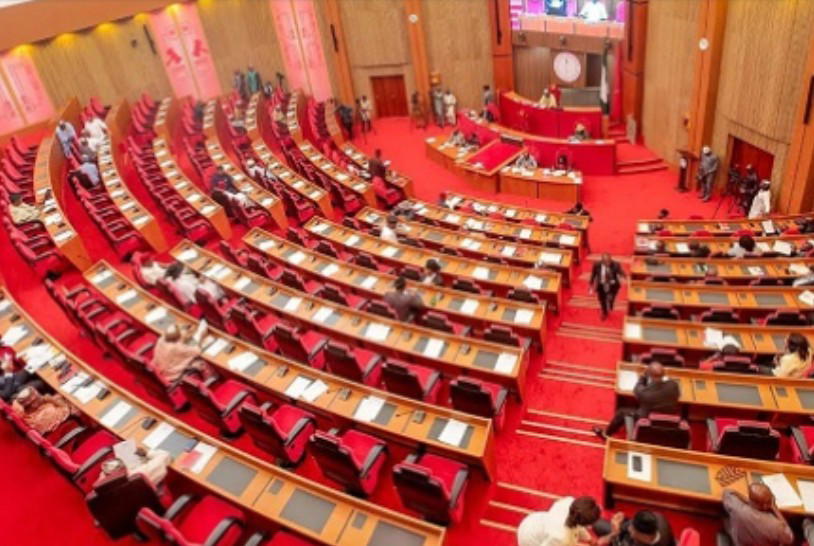
In the heart of Abuja, Nigeria's capital city, a contentious debate is unfolding, one that has the potential to redefine the nation's security architecture. The Constitution of the Federal Republic of Nigeria (Alteration) (State Police) Bill, 2026, has emerged as a focal point of discussion, with proponents and critics engaging in a heated discourse. As reported by Sun News Online, the Senate has defended the passage of the bill, insisting that it was driven by national security concerns rather than political considerations. Senator Opeyemi Bamidele, the Senate Leader, stated that the proposal to establish state police addresses an urgent national security challenge, a sentiment echoed by former IYC President, Udengs Eradiri, who commended President Tinubu's political will to establish state police in Nigeria, as noted in Punch Nigeria. The bill's passage has sparked a mix of reactions, with some hailing it as a long-overdue security reform, while others have expressed concerns about its potential implications.
The proposal to establish state police is not a recent development, but rather part of a long-standing discussion that has evolved through extensive consultations and constitutional review. According to Vanguard News, the Senate Leader emphasized that the process of incorporating state police into Nigeria's governance structure did not begin recently. The bill's proponents argue that state police will enable states to take ownership of their security, allowing for more effective policing and a reduction in crime. As the debate rages on, it is essential to examine the potential benefits and drawbacks of the proposed state police bill, considering the economic, social, political, cultural, and technological dimensions.
The Security Paradox: Centralization vs. Decentralization
At the core of the debate lies a fundamental question: can state police provide a more effective solution to Nigeria's security challenges than the current centralized system? Proponents of the bill argue that decentralizing policing will enable states to respond more effectively to local security concerns. According to Arise News, Senior Advocate of Nigeria, Olisa Agbakoba, warned that proposed state police structures could become instruments of political oppression unless Nigeria undertakes wider constitutional reforms to insulate critical institutions from executive interference. This concern highlights the need for a nuanced approach to the establishment of state police, one that balances the need for effective security with the risk of potential abuse of power. The current centralized system has been criticized for being ineffective in addressing local security concerns, with many states struggling to maintain law and order. By decentralizing policing, states will be able to respond more quickly and effectively to emerging security threats.
The economic implications of establishing state police are also significant. With the current centralized system, the federal government bears the bulk of the cost of maintaining the police force. By decentralizing policing, states will be required to take on a significant portion of the financial burden. According to experts, this could lead to a more equitable distribution of resources, with states that have more resources able to maintain more effective police forces. However, this could also exacerbate existing inequalities, with poorer states struggling to maintain effective security. As the nation navigates this complex issue, it is essential to consider the potential economic implications of establishing state police.
The Cultural and Social Dimension: Identity, Community, and Trust
The establishment of state police also raises important cultural and social questions. In Nigeria, identity and community are deeply intertwined with security, with many communities relying on traditional security structures. According to analysts, the success of state police will depend on their ability to build trust with local communities. This will require a deep understanding of local cultures and traditions, as well as a commitment to community policing. By engaging with local communities and building trust, state police can help to address some of the nation's most pressing security challenges. However, there is also a risk that state police could be seen as being beholden to local interests, rather than serving the broader national interest.
The technological and informational landscape will also play a critical role in the success or failure of state police. With the increasing use of technology in policing, state police will need to be equipped with the latest tools and technologies to effectively combat crime. According to officials, this will require significant investment in infrastructure and training. However, it also presents an opportunity for state police to leverage technology to improve policing and build trust with local communities. By harnessing the power of technology, state police can help to address some of the nation's most pressing security challenges.
Future Implications: A Blueprint for Security or a Recipe for Chaos?
As Nigeria navigates the complex debate surrounding the state police bill, it is essential to consider the potential future implications of this development. Will the establishment of state police provide a much-needed solution to the nation's security challenges, or will it create new problems? According to experts, the success of state police will depend on a range of factors, including the ability of states to effectively manage their police forces, the level of funding provided, and the extent to which state police are able to build trust with local communities. As the nation looks to the future, it is clear that the establishment of state police has the potential to be a game-changer, but it will require careful planning and implementation to succeed. By examining the potential benefits and drawbacks of the proposed state police bill, Nigeria can work towards creating a more effective and sustainable security architecture. Ultimately, the future of state police in Nigeria will depend on the ability of policymakers to balance competing interests and priorities, and to create a system that is fair, effective, and accountable to the Nigerian people. As the debate continues, one thing is clear: the fate of state police in Nigeria will have far-reaching implications for the nation's security, stability, and prosperity.
effective utilization of resources, strategic partnerships, and robust oversight mechanisms will be crucial in determining the success of state police, thereby shaping Nigeria's security landscape and informing future policy decisions.
📰 Sources Cited
- Sun News Online: State Police: Senate defends Bill, says 89 senators voted in support
- Punch Nigeria: Ex-IYC president hails Tinubu’s political will on state police
- Vanguard News: State Police Bill reflects national consensus, not political expediency — Senate
- Arise News: Agbakoba Warns State Police Could Become ‘Tools Of Oppression’ Without Constitutional Safeguards
0 Comments
Sign in to commentNo comments yet. Be the first to share your thoughts!