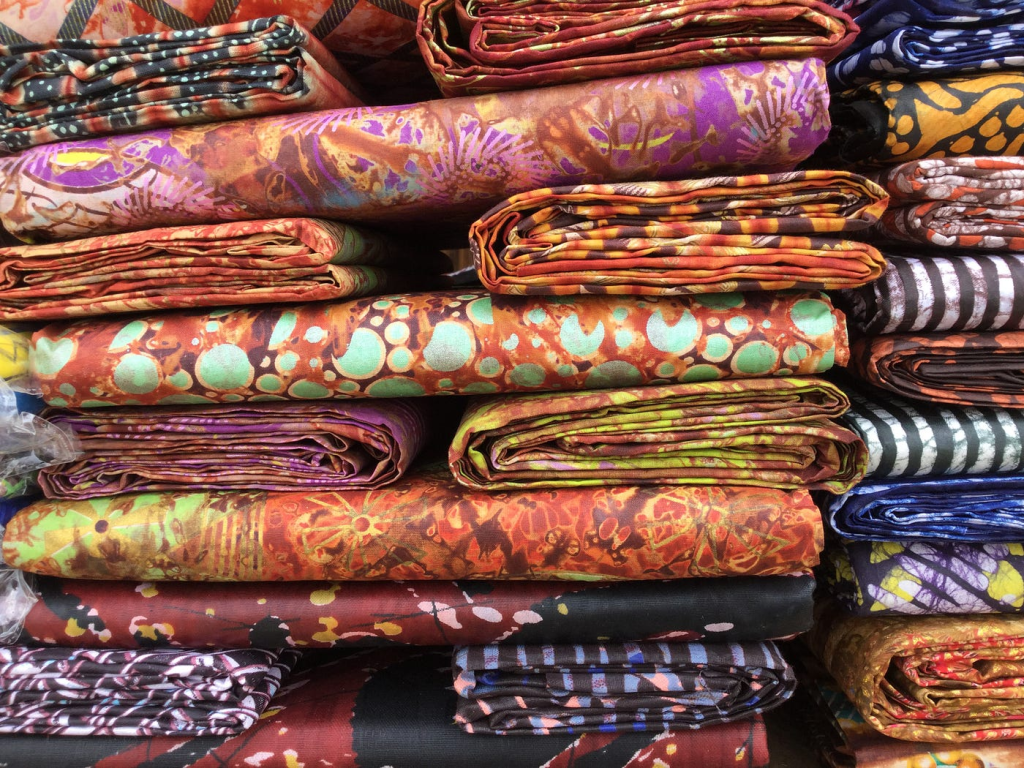
In the vibrant tapestry of Nigerian culture, the National Youth Service Corps (NYSC) has long been a symbol of national unity and service. For decades, the iconic khaki uniform has been synonymous with the corps members who embark on a journey of self-discovery and community service across the country. However, as the Federal Government announces a sweeping reform package, the traditional khaki is set to be replaced by the locally produced Adire fabric, marking a significant shift in the scheme's 51-year history. According to the Minister of Youth Development, Ayodele Olawande, the decision was made during an appearance on Channels Television's The Morning Brief, where he emphasized the move's potential to boost Nigeria's textile industry. As reported by Vanguard News, the reform is part of a broader effort to reposition the NYSC and promote local manufacturing. The Adire fabric, with its rich cultural heritage and unique designs, is being hailed as a symbol of Nigerian identity and creativity. With textile industries thriving in states like Ogun and Kwara, the stage is set for a new era in the NYSC's history. The reform is not just about changing the uniform; it's about redefining the corps' role in Nigerian society. As the government looks to the future, the question on everyone's mind is: what does this mean for the NYSC and the nation at large?
The NYSC, established in 1973, has been a cornerstone of Nigerian unity, and this reform is the most extensive since its inception.
A New Dress Code: Adire and the Promotion of Local Textiles
The decision to replace the khaki uniform with Adire fabric is a bold move that has sparked mixed reactions across the country. While some have hailed the change as a welcome development that will promote local textiles and boost the economy, others have expressed concerns about the practicality and cost implications of the new uniform. As noted by Blueprint Newspapers, the Federal Government is confident that the move will have a positive impact on the textile industry, with Adire being produced in Nigeria. The Minister of Youth Development, Ayodele Olawande, highlighted the existence of textile industries in Ogun and Kwara, stating that the government wants to "put our money back into the country." According to PM News Nigeria, the minister emphasized that Adire is a Nigerian product, and its adoption will help to promote local manufacturing. As the country grapples with the challenges of economic development, the NYSC reform is seen as a step in the right direction. With the Adire fabric, corps members will not only be serving their country but also promoting Nigerian culture and industry. The change is expected to have far-reaching implications, from boosting local textile production to rebranding the NYSC as a symbol of Nigerian identity.
Beyond the Uniform: Reforms and the Future of NYSC
The replacement of the khaki uniform with Adire fabric is just one aspect of the broader reform package announced by the Federal Government. According to Nairametrics, the NYSC is shifting its focus towards civilian mobilization, with corps members being deployed largely according to their academic qualifications. The government is also reviewing the deployment policy to improve security by posting corps members to regions where they studied or were familiar with. As reported by Ripples Nigeria, the Minister of Youth Development, Ayodele Olawande, confirmed that corps members would increasingly be posted according to their fields of study under the new framework. This move is expected to enhance the effectiveness of the NYSC and promote a more efficient deployment of corps members. With the Federal Executive Council (FEC) approving the most extensive reforms to the NYSC since its establishment in 1973, the stage is set for a significant transformation of the scheme. As the NYSC embarks on this new journey, the question remains: what are the implications of these reforms for the future of the scheme and the nation at large?
The Cultural and Social Dimension: Identity, Unity, and the Grassroots
The adoption of Adire fabric as the new uniform for NYSC corps members has significant cultural and social implications. As noted by Sun News Online, the move is seen as a way to promote Nigerian culture and identity. Adire, with its rich history and unique designs, is a symbol of Nigerian heritage, and its adoption is expected to foster a sense of national pride among corps members. According to Vanguard News, the change has sparked mixed reactions, with some expressing concerns about the potential impact on the NYSC's unity and cohesion. However, proponents of the reform argue that the Adire fabric will promote a sense of shared identity and cultural heritage among corps members. As the NYSC navigates this change, it is essential to consider the cultural and social implications of the reform. With the Adire fabric, the NYSC is not just changing its uniform; it's redefining its role in Nigerian society and promoting a sense of national identity.
Future Implications: A New Era for NYSC or a Change in Uniform?
As the NYSC embarks on this new journey, the implications of the reform are far-reaching. With the adoption of Adire fabric and the shift towards civilian mobilization, the scheme is poised to play a more significant role in promoting national unity and development. According to analysts, the reform has the potential to boost local textile production, promote Nigerian culture, and enhance the effectiveness of the NYSC. However, experts also caution that the success of the reform depends on effective implementation and the ability to address potential challenges. As the government looks to the future, it is essential to consider the long-term implications of the reform. Will the NYSC emerge as a more robust and effective institution, or will the change in uniform be seen as a cosmetic exercise? Only time will tell, but one thing is certain: the NYSC is on the cusp of a new era, and the world is watching. The future of the NYSC is bright, with the potential to promote national unity, boost local industry, and foster a sense of shared identity among Nigerians. As the scheme continues to evolve, it is clear that the NYSC will remain a vital institution in Nigerian society for years to come.
📰 Sources Cited
- Blueprint Newspapers: NYSC reforms: Corps members to wear adire, not khaki — FG
- Sun News Online: FG dumps NYSC khaki, adopts Adire in major reform
- Vanguard News: Mixed reactions trail FG’s decision to replace NYSC khaki with Adire
- Ripples Nigeria: Federal Govt says adire to replace NYSC khaki uniform
- PM News Nigeria: NYSC Reform: Corps members to wear Adire as FG dumps khaki
- Nairametrics: NYSC: Adire to replace khaki uniform as scheme shifts to civilian mobilisation
0 Comments
Sign in to commentNo comments yet. Be the first to share your thoughts!